How to choose the best souvenirs to buy in Kyoto city
Kyoto rewards the curious traveller who slows down and looks closely. When you plan which are the best souvenirs to buy in Kyoto, think about how each object will carry the atmosphere of the city back home. The most meaningful keepsakes from Kyoto reflect not only beauty but also daily life in Kyoto city.
Start by deciding what you want your souvenirs to say about Japan and about you. Some visitors focus on traditional Japanese crafts, while others prefer edible gifts such as matcha or delicate Japanese sweets that can be shared with friends. Both approaches work perfectly, as long as the items you choose reflect the Kyoto style of quiet refinement and respect for craftsmanship.
Location matters when you plan where to buy Kyoto gifts. Around Kyoto Station and Shijo Station you will find large, convenient shops that stay open long hours and offer tax free services. Smaller artisan boutiques in districts like Gion or near a Buddhist temple may have shorter opening hours, but they often provide the most distinctive mementos with a strong Kyoto traditional character.
Matcha tea and Japanese sweets: edible Kyoto souvenirs with real depth
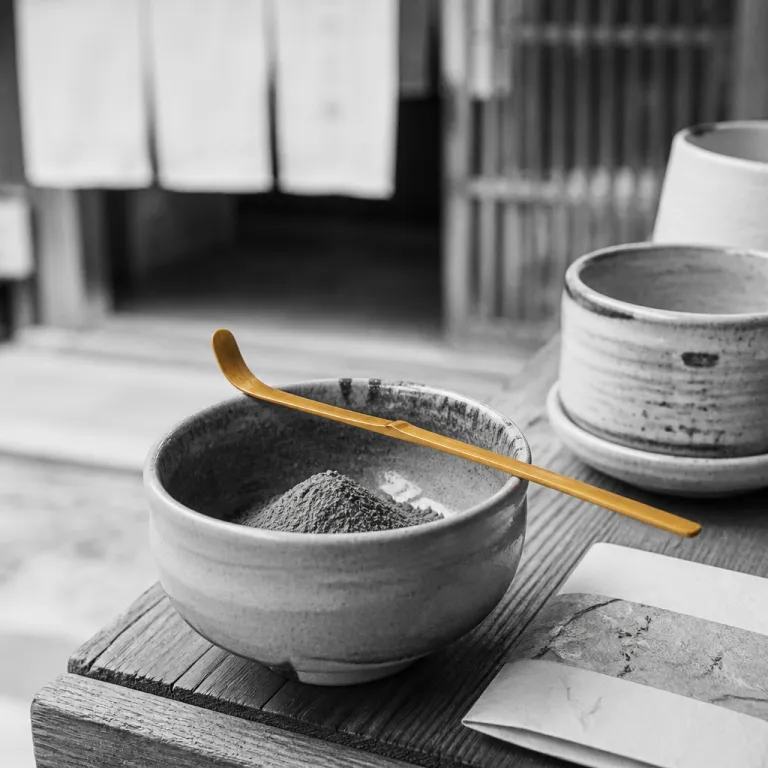
If you ask locals about the best souvenirs to buy in Kyoto, many will start with tea and sweets. Kyoto matcha and Uji matcha are world famous, and the city has refined the art of pairing matcha tea with Japanese sweets for centuries. These edible Kyoto souvenirs reflect a living culture rather than a frozen past.
Look for specialist tea shops near Kyoto Station, in Kyoto city shopping arcades, or on a quiet walk through Gion. Well known names include Ippodo Tea (Teramachi-dori, Nakagyo-ku; about 10–15 minutes on foot from Kyoto Shiyakusho-mae Station) and Fukujuen Kyoto Flagship Store near Shijo Station, where staff will often let you smell different grades of matcha tea and explain how Kyoto matcha differs from Uji matcha grown just outside the city in southern Japan. High grade tins, often starting around ¥1,500–¥2,500, make compact presents travellers can pack easily, while smaller packets under ¥1,000 allow you to bring Kyoto flavours to colleagues or neighbours.
Local confectioners create Japanese sweets that balance sweetness with the gentle bitterness of tea. Classic wagashi often use smooth bean paste wrapped in soft mochi, while yatsuhashi from Nishiki Market offer crisp or soft textures with cinnamon or matcha flavours. Famous brands such as Shogoin Yatsuhashi (around Shogoin and central Kyoto) and Izutsu Yatsuhashi (branches near Gion and Kyoto Station) sell boxed assortments that are easy to carry and usually cost from ¥600–¥1,500. When you pair matcha with Japanese sweets in a traditional Japanese tea room, you understand why edible Kyoto souvenirs remain among the best souvenirs for thoughtful travellers.
Nishiki Market and central Kyoto: where to walk, taste, and shop
Nishiki Market runs like a narrow spine through central Kyoto city and is essential for anyone researching the best souvenirs to buy in Kyoto. In this covered arcade you can walk slowly, sample snacks, and find Kyoto gifts that range from pickles to hand painted chopsticks. The market offers a vivid cross section of Kyoto traditional food culture in just a few hundred metres.
Arrive in the morning hours if you want calmer aisles and more time to talk with vendors. Many stalls specialise in Japanese sweets, roasted tea, or Kyoto matcha, while others sell ceramics and knives that make practical souvenirs for serious home cooks. Signs are often in both Japanese and English, but a translation app helps when you want to understand ingredients such as different types of bean paste.
From Nishiki Market it is an easy 10–15 minute walk to Shijo Station and the surrounding department stores. These larger shops offer elegant packaging and fixed prices, which can be reassuring if you are new to Japan and still learning local customs. Combine a visit to Nishiki Market with nearby shops to compare prices, then decide where to buy Kyoto gifts that best match your budget and luggage space.
Gion, temples, and artisan streets: elegant crafts that souvenirs reflect
Beyond food, many of the best souvenirs to buy in Kyoto come from the city’s artisans. Around Gion and the streets leading to Kiyomizu dera Buddhist temple, you will find shops selling hand painted fans, Kyo yaki ceramics, and textiles that express Kyoto traditional aesthetics. These handcrafted pieces reflect a long dialogue between religion, nature, and daily life.
Kyoto artisans and long established houses create traditional Japanese pieces such as ceramics and Nishijin textiles that feel both timeless and modern. Workshops like Kiyomizu-yaki studios in Higashiyama or small Nishijin-ori weaving houses in Kamigyo-ku show how innovation and Kyoto style can coexist, and these objects often become perfect souvenirs that last for decades. When you buy Kyoto crafts directly from such workshops, you support the local economy and help preserve skills that define Kyoto city.
Plan your walk so you can visit a Buddhist temple, then explore the nearby shops at a relaxed pace. Many streets around Gion offer small studios where you can watch hand painted designs being applied to fans or pottery. Ask for a business card with the shop address, because this detail helps you remember where your most meaningful Kyoto souvenirs came from when you share stories back home.
Kyoto Station and travel friendly gifts: practical options near your hotel
For travellers staying near Kyoto Station, the station complex itself is a powerful answer to the question of the best souvenirs to buy in Kyoto. Inside and beneath Kyoto Station you will find entire floors of shops dedicated to Kyoto souvenirs, from boxed Japanese sweets to compact ceramics. This area offers long opening hours, clear signage, and easy access from most city hotels.
Department stores and station malls curate elegant displays of Kyoto matcha, Uji matcha, and regional tea blends. Pre packed assortments of Japanese sweets filled with bean paste are designed for travel, with clear information about expiry dates and storage, which makes them perfect souvenirs for flights or long train journeys across Japan. Many shops also sell hand painted items such as small trays or chopsticks that fit safely into cabin baggage.
If you are short on time, you can walk through Kyoto Station just before departure and still buy Kyoto gifts of real quality. Look for areas that specialise in Kyoto traditional products, often grouped under regional branding that highlights Kyoto city. Station shops are ideal when you want souvenirs Kyoto style but need the efficiency and predictability that large transport hubs offer.
Planning your shopping from your hotel: routes, hours, and deep experiences
Choosing a hotel in Kyoto city becomes easier when you align your location with the best souvenirs to buy in Kyoto. If you stay near Kyoto Station, you gain instant access to station shops and fast trains, while a hotel near Gion or Shijo Station places you within a short walk of artisan streets and evening tea houses. Both areas offer different ways to find Kyoto souvenirs that match your interests and schedule.
Use your first evening to map out where to buy Kyoto items over the next few days. Reception staff often know which nearby shops offer Kyoto matcha, Japanese sweets, or hand painted crafts with the best value, and they can write the shop address in Japanese for taxi drivers. Remember that smaller traditional Japanese shops may close earlier than large malls, so check opening hours carefully to avoid disappointment; many close around 18:00–19:00, while big complexes near Kyoto Station often stay open until 20:00–21:00.
Many visitors now seek deeper engagement, not just quick purchases, when they look for perfect souvenirs. Walking tours that include Nishiki Market, a Buddhist temple, and a tea tasting allow you to see how Kyoto traditional culture shapes everyday products. You can usually book these experiences through your hotel concierge, major travel platforms, or local tourist information centres. As local guides often explain, “Matcha tea, Kyo-yaki ceramics, Nishijin textiles, folding fans, and yatsuhashi sweets” remain enduring favourites because these best souvenirs connect you directly to the rhythms of Kyoto city.
Key figures that frame Kyoto souvenir shopping
- Kyoto welcomed around 3,000,000 international tourists in 2019 according to data cited by the Kyoto City Tourism Association (pre-pandemic figures), and visitor numbers have been recovering since the easing of travel restrictions, which means popular shops near Kyoto Station and Gion can become crowded during peak seasons.
- Surveys by Kyoto City and local industry groups indicate that more than 70 distinct categories of traditional crafts are produced in Kyoto, from Kyo-yaki ceramics to Nishijin textiles, giving travellers a wide choice of Kyoto traditional products.
- Shopping areas such as Nishiki Market typically open from late morning to early evening hours (roughly 10:00–18:00), while large station malls often extend opening hours to accommodate late arriving trains.
- Walking routes that link Nishiki Market, Shijo Station, and Gion can usually be completed in two to three hours at a relaxed pace, leaving time for tea tastings and visits to artisan workshops.
FAQ: best souvenirs to buy in Kyoto
What are the best souvenirs to buy in Kyoto for first time visitors ?
First time visitors usually do well with a mix of edible and durable gifts, such as matcha tea, Japanese sweets filled with bean paste, and small hand painted ceramics. These Kyoto souvenirs reflect everyday life in Kyoto city and travel easily. You can find them in Nishiki Market, Gion, and the shopping areas inside Kyoto Station.
Where can I find traditional Japanese crafts in Kyoto ?
For traditional Japanese crafts, explore the streets around Gion, the approach to Kiyomizu dera Buddhist temple, and specialist floors in department stores near Shijo Station. Many Kyoto artisans maintain small shops or studios where you can watch production and ask questions. These areas are ideal when you want perfect souvenirs that express Kyoto traditional design.
Are there craft or tea workshops suitable for travellers staying near Kyoto Station ?
Yes, several cultural centres and artisan shops within a short walk of Kyoto Station offer workshops in tea preparation, wagashi making, or simple hand painted crafts. These sessions usually last one to two hours and are easy to fit between sightseeing and hotel check in. You can often reserve a place by asking your hotel to call the venue, using an online booking form, or visiting the Kyoto Tourist Information Center inside the station. Participating in a workshop often deepens your understanding of why certain items are considered the best souvenirs to buy in Kyoto.
How can I choose between Kyoto matcha and Uji matcha when buying tea ?
Kyoto matcha often comes from long established tea houses in the city, while Uji matcha is grown in nearby Uji, a town famous across Japan for tea cultivation. Both types of matcha tea are excellent, so ask to taste or at least smell different grades before you buy. Many shops in Kyoto city offer small tins of each, which makes it easy to compare at home and decide which becomes your personal perfect souvenirs.
What should I know about payment and packing when buying Kyoto souvenirs ?
Carry some cash because smaller shops, especially near temples, may not accept cards, while larger shops at Kyoto Station and in department stores usually offer full card services. Ask staff to double wrap fragile items such as ceramics or hand painted pieces, and keep receipts with the shop address in case you need to contact them later. For food items like Japanese sweets or bean paste snacks, check expiry dates carefully so your souvenirs Kyoto style remain fresh when you return home.