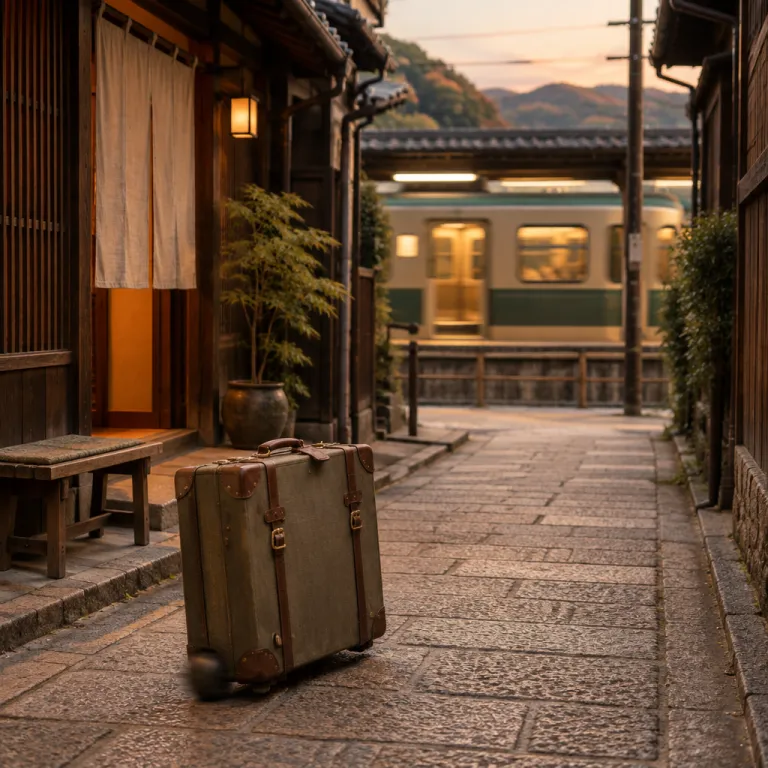
Choosing where to stay in Kyoto as a solo traveler
Where to stay in Kyoto as a solo traveler shapes every hour. The question is less about whether Kyoto in Japan is safe and more about where you will feel quietly confident walking home alone after a late ramen or jazz bar. Think of your stay as a base camp between the Kamo River, downtown Kyoto, Gion and southern Higashiyama, with trains and buses fanning out by day and a short, well lit walk back at night.
Kyoto is consistently ranked among the safest cities in Japan, so the real decision is which area gives you calm, connection and a sense of orientation. For many solo guests the best area is a triangle between Kyoto Station, central Kyoto around Karasuma Shijō and the fringe of Gion and Higashiyama, where you can find a hotel or a traditional Japanese ryokan within a ten to fifteen minute walk of late opening restaurants. Staying in one well connected district for the whole stay in Kyoto usually beats hopping between several areas, because you learn the backstreets, recognise faces and feel at home by the second night.
When you compare where to stay options, think in layers rather than lists of the best hotels. First choose the area in Kyoto that matches your pace, then decide between a modern hotel Kyoto property, a small guesthouse or a traditional ryokan, and only then look at individual names and the best luxury or mid range rooms. A calm solo trip often comes from details like a twenty minute walk along the river from Gion to your hotel, not from the star rating printed on the door.
Downtown Kyoto and the river: social, central, easy to navigate
For many solo travelers, downtown Kyoto around Karasuma and Shijō is the best area to stay. You are in central Kyoto with subway access to Kyoto Station in under ten minutes, buses to Gion, northern Higashiyama and Arashiyama, and a dense grid of streets that stays gently alive until late evening. This is where to stay in Kyoto as a solo traveler if you want to eat somewhere different every night and still walk back to your hotel in under fifteen minutes.
On the west side of the Kamo River, the pros of staying downtown include endless Japanese and international dining, easy last train connections and a clear mental map anchored by the river and the station. The cons of staying right on the busiest streets are noise, bright lights and a slightly anonymous feel, so look one or two blocks back for a quieter hotel Kyoto address or a renovated machiya townhouse with a few rooms and a shared lounge. If you follow a vegan or vegetarian diet, choosing a Kyoto hotel near the best plant based restaurants is easier in this district, and guides to a Kyoto vegan restaurant friendly hotel location can help you pinpoint the right streets.
Solo guests who like a balance of privacy and light social contact tend to thrive here. You can stay in a modern hotel with a small bar, join a tea tasting or craft workshop in the lobby, then step out to the riverbank for a quiet night check of your route for the next day. Where you stay in downtown Kyoto also makes early starts for Fushimi Inari, Nijo Castle or the Arashiyama bamboo grove straightforward, because you are already on the main transport spine of the city.
Gion and southern Higashiyama: lantern streets and temple walks home
If your idea of the best Kyoto stay is stepping out into lantern lit lanes, then the fringe between Gion and southern Higashiyama is your natural base. This is where to stay in Kyoto as a solo traveler who wants to walk to Yasaka Shrine, Kiyomizu dera and the slopes of Ninenzaka before the day trippers arrive. The streets are narrower, the air feels older and many stays lean towards traditional Japanese style, from tatami floors to low tables and sliding shōji screens.
In Gion itself, the pros of staying close to Hanamikoji and Shirakawa include atmospheric evenings, short walks to classical theatre and tea houses, and quick access to buses heading to Fushimi Inari or northern Higashiyama. The cons of staying right in the heart of Gion are crowds by day, higher prices for the best hotels and a slightly performative feel, so many solo guests prefer a hotel Kyoto address just east towards southern Higashiyama or just across the river towards downtown. If you are choosing a Kyoto hotel near the best sushi restaurants, a guide to staying close to Kyoto’s standout sushi counters will often point you to this Gion and downtown fringe.
Southern Higashiyama is ideal if you want a stay that feels like a quiet neighbourhood but still lets you walk back from dinner in fifteen to twenty minutes. You can find small hotels and traditional ryokan in side streets below Kiyomizu dera, where a night check of the weather from your balcony might include temple roofs and the distant line of the mountains. Where you stay here shapes your mornings, because you can reach Fushimi Inari, the Kamo River or even central Kyoto before the main wave of visitors, simply by leaving your room a little earlier than the tours.
Northern Higashiyama, Kyoto Station and Arashiyama: beautiful bases with trade offs
Not every beautiful Kyoto area makes the best base for a solo traveler, and understanding the pros and cons of staying in each district is part of choosing well. Northern Higashiyama, for example, is exquisite by day, with the Philosopher’s Path, Ginkaku ji and smaller temples strung along the hillside, but it quietens dramatically at night and restaurants thin out. Where to stay in Kyoto as a solo traveler who chooses this area often means a small hotel or ryokan with its own dinner option, or a willingness to ride the bus back from downtown after your evening meal.
Kyoto Station and its surrounding blocks form another distinct option. The pros of staying near Kyoto Station include unmatched transport convenience for day trips to Nara or Osaka, easy early starts for Fushimi Inari and a straightforward arrival and departure, while the cons of staying here are a more functional streetscape and fewer atmospheric night walks. Solo guests who prioritise efficiency, or who plan multiple day trips, often find that a hotel Kyoto address near the station gives them the best balance of time and budget, especially when they choose one of the best hotels with quiet upper floor rooms facing the mountains.
Arashiyama, with its bamboo grove and riverside scenery, is magical in the early morning and late afternoon, but it can feel remote for a solo base once the day visitors leave. Where you stay in Arashiyama works best if you treat it as a one night stay in Kyoto within a longer trip, perhaps in a traditional Japanese ryokan with dinner included, rather than your only base. For most solo travelers, the Kyoto best strategy is to sleep in central Kyoto, Gion or Higashiyama and visit Arashiyama, northern Higashiyama and Fushimi as day trips, so you always have a familiar walk home after dark.
Traditional Japanese stays, social guesthouses and how to match your style
Once you have chosen your Kyoto area, the next decision is what kind of stay suits a solo trip. Traditional Japanese ryokan stays offer tatami rooms, futon bedding and kaiseki dinners, which can be deeply restorative but also quite structured and sometimes expensive for one person. Modern hotels and small guesthouses in downtown Kyoto, Gion and Higashiyama give you more flexible nights, with the option to eat out, join a short workshop and return whenever the last train or bus allows.
For a first solo visit, many travelers choose a modern hotel Kyoto property for most nights and add one night in a traditional ryokan in southern Higashiyama, northern Higashiyama or Arashiyama to experience that side of Japan. The pros of staying in a ryokan include immersion in traditional Japanese hospitality, on site baths and often a quiet residential setting, while the cons of staying there can be early dinner times, less spontaneous evenings and higher costs. Social guesthouses and small machiya conversions, by contrast, often have shared kitchens or lounges where you can chat briefly with other solo guests, swap tips on where to stay next time and still retreat to your own room when you want silence.
Where to stay in Kyoto as a solo traveler who values safety and ease is often a place with a staffed front desk, clear late night access and a location on a well lit street between downtown and Gion. A simple night check of your route from the station, the nearest bus stop and the Kamo River will tell you whether the walk feels straightforward. Over a few days, you will find that what matters most is not the label on the door but the way the morning light falls on the tatami, the sound of the temple bell from Kiyomizu dera or Nijo Castle and the rhythm of your own footsteps on the way back from dinner.
Planning days and nights: distances, last trains and realistic itineraries
Good solo itineraries in Kyoto start from your pillow, not from a checklist of sights. When you decide where to stay in Kyoto as a solo traveler, look at a map and trace your likely days to Fushimi Inari, the Arashiyama bamboo grove, Nijo Castle and Kiyomizu dera, then count the minutes back to your hotel at night. A base in central Kyoto, downtown Kyoto or the Gion and Higashiyama fringe usually keeps those journeys under thirty minutes, which means more time walking quiet streets and less time watching bus timetables.
For early starts, a stay near Kyoto Station or on the subway line from downtown to the station makes reaching Fushimi Inari or Arashiyama before the main crowds very realistic. For slow days, a stay Kyoto choice in southern Higashiyama lets you wander between temples, cafés and the river without ever boarding a train, which many solo guests find calming. When you are weighing the pros and cons of staying in each area, remember that the best luxury is often an unhurried walk home, not a long taxi ride from a remote district.
As you refine where to stay, use detailed guides such as advice on choosing a Kyoto hotel near key temples and shrines to align your base with the places you care about most. Over several days, patterns emerge : a favourite coffee shop near your hotel, a quiet bench by the Kamo River, a reliable bus stop for Fushimi or Arashiyama, and a familiar lantern that marks the turn to your street. In the end, Kyoto best stays for solo travelers are defined less by the list of best hotels and more by how naturally your days and nights flow from the front door.
FAQ
Is Kyoto safe for a solo female traveler at night ?
Kyoto is widely regarded as one of the safest cities in Japan, and solo female travelers commonly report feeling comfortable walking in central Kyoto, downtown Kyoto and the Gion and Higashiyama areas after dark. Normal urban awareness still applies, but crime rates are low and streets around major stations and the Kamo River are usually well lit. Choosing a stay on a main or semi main street, rather than a very isolated lane, will further increase your sense of ease.
Which Kyoto neighborhood is best for a first solo stay ?
For a first visit, the best area for most solo travelers is the zone between downtown Kyoto, the Kamo River and the edge of Gion and southern Higashiyama. This location balances transport access to Kyoto Station, Fushimi Inari, Arashiyama and Nijo Castle with walkable dinners and atmospheric streets. It also makes it easy to return to your hotel quickly if you feel tired or the weather changes during the day.
Should I stay near Kyoto Station or in the historic center ?
Staying near Kyoto Station is ideal if you plan several day trips or have very early trains, because you can walk to the platforms in minutes. Staying in the historic center around downtown Kyoto, Gion or Higashiyama is better if you want to walk to temples, cafés and the river and enjoy more characterful streets. Many solo travelers choose a hotel Kyoto base in the center and simply allow extra time to reach the station on travel days.
Is a traditional ryokan stay suitable for a solo traveler ?
A traditional Japanese ryokan can be a wonderful experience for a solo traveler who enjoys quiet, structured evenings and appreciates kaiseki cuisine. Some ryokan in Kyoto charge per person rather than per room, so costs can be higher for solo guests, and dinner times may be fixed. Many travelers therefore combine one night in a ryokan in Higashiyama or Arashiyama with several nights in a more flexible central hotel.
How many nights should a solo traveler spend in Kyoto ?
A stay of three to four nights in Kyoto allows a solo traveler to see major sights such as Fushimi Inari, the Arashiyama bamboo grove, Kiyomizu dera and Nijo Castle at a comfortable pace. With five or more nights, you can add slower days in northern Higashiyama, side trips to Fushimi or Nara and time simply walking along the Kamo River. Whatever the duration, keeping one well chosen base usually makes the experience smoother than changing hotels every night.