Kyoto cold drip as a lens for choosing your Kyoto hotel
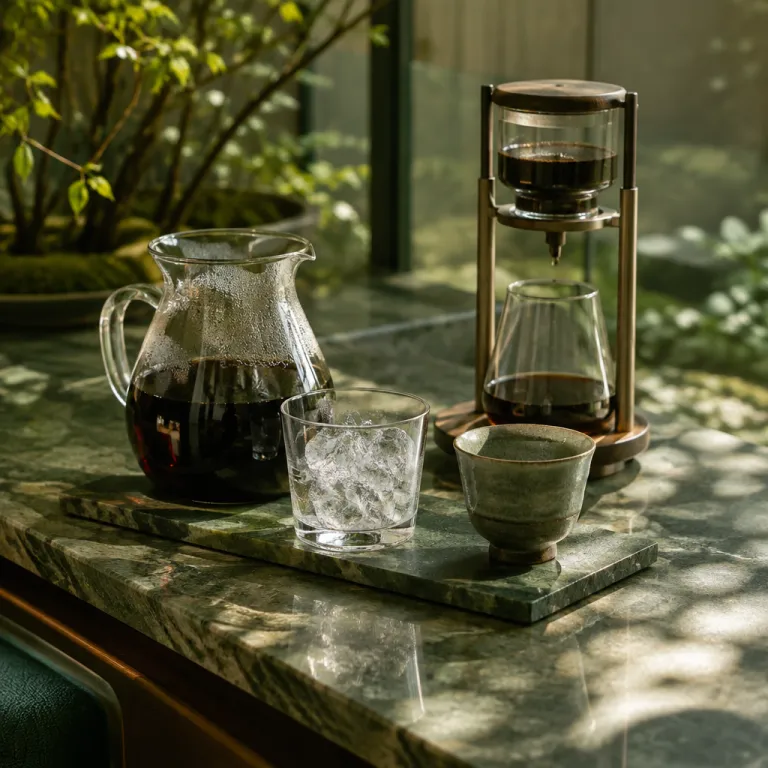
Kyoto cold drip coffee is more than a drink ; it is a quiet ritual that shapes how many travelers now choose their hotel in Kyoto. In a city where traditional Kyoto aesthetics meet contemporary roasting labs, this slow cold brew method signals a property that truly understands local-first food and beverage concepts. When you see a tall glass tower of cold water dripping through coffee grounds in the lobby, you are looking at a hotel that cares about time, extraction, and taste as much as it cares about thread count.
This method, often called Kyoto style cold drip, uses a percolation process where cold water falls in steady drops over carefully prepared coffee grounds for several hours. The brewing coffee journey is controlled by a Brewer, the operator who adjusts the valve to about one drop per second and monitors the tower setup from morning until service. That long brewing time, usually between three and twelve hours, allows a gentle extraction that highlights delicate flavors, reduces perceived acidity coffee levels, and creates a tea-like brewed coffee clarity that many guests now actively seek.
For travelers comparing hotels, paying attention to how a property brews coffee can be as revealing as reading its room descriptions. A lobby bar that offers both immersion cold brew and precise drip cold methods is signaling a deeper respect for ingredients, water quality, and service style. When a hotel invests in a three-chamber drip kyoto tower and trains its équipe to explain the process, it usually also invests in thoughtful amenities, better water filtration, and longer service hours that benefit your entire stay.
Where Kyoto cold drip meets local-first dining in Kyoto hotels
Some of Kyoto’s most interesting hotels now integrate Kyoto cold drip coffee into broader local-first dining programs that celebrate nearby roasters, farmers, and fish markets. You will often find cold brew coffee served alongside breakfast sets featuring Kyoto vegetables, river fish, and pastries made with Uji matcha, creating a coherent flavor narrative from cup to plate. When a property curates both coffee kyoto partnerships and neighborhood sushi experiences, it becomes easier to trust its overall approach to taste and hospitality.
Look for hotels that highlight their brewing coffee partners by name and explain whether they use a Kyoto style percolation-drip tower or a more common immersion cold brew process. A restaurant that can articulate why it prefers cold drip extraction for lower acidity coffee and brighter flavors will usually also be precise about rice provenance, dashi preparation, and sake storage temperatures. If you care about food as much as you care about sleep quality, consider properties recommended for Kyoto hotels for sukiya, sushi, and Japanese buffet lovers, because these often host serious coffee programs as well.
Historically, Kyoto cold drip evolved from techniques influenced by Dutch traders who introduced slow-drip and so-called Dutch coffee methods to Japan centuries ago. Today, some hotel cafés reference this heritage by offering both Dutch coffee style cold drip and a more modern style cold brew coffee, allowing guests to compare texture, flavor, and aroma. When you taste these side by side, you notice how the cold water extraction time shapes everything from sweetness to mouthfeel, and that sensory education becomes part of the memory you take home from Kyoto.
How Kyoto’s neighborhoods shape your cold drip coffee experience
Your choice of district in Kyoto will strongly influence the kind of cold drip coffee you encounter during your stay. Around Kawaramachi and Gion, hotels often collaborate with long-established kissaten that have refined brewed coffee service for decades, then added Kyoto cold drip towers as a contemporary accent. In contrast, properties near Kyoto Station or in emerging areas like Umekoji tend to favor minimalist cafés where cold water towers stand beside sleek espresso machines and filter bars.
Staying near Nishiki Market, often called Kyoto’s kitchen, places you at the crossroads of local-first food and beverage culture and serious coffee cold experimentation. Many hotels in this area design breakfast menus around market produce and then pair those dishes with cold brew or drip cold coffee sourced from micro roasters within walking distance. If you want your accommodation choice to reflect this culinary immersion, explore guidance on staying near Nishiki Market and how Kyoto’s kitchen shapes your hotel choice, then cross-check which properties highlight Kyoto style cold drip on their café menus.
In quieter temple districts such as Higashiyama, some small-scale hotels serve Kyoto cold drip in tranquil courtyards, letting guests watch the slow drip kyoto tower while listening to evening bells. Here, the brewing time becomes part of the rhythm of the day, with staff starting the process in the cool early morning water hours to ensure peak flavor by afternoon. This careful timing respects both the climate and the traditional Kyoto pace of life, reinforcing the sense that your coffee grounds, your cup, and your surroundings are all part of a single, thoughtful design.
Inside the Kyoto cold drip process at hotel cafés
Understanding the Kyoto cold drip process will help you read between the lines of hotel café menus and marketing copy. In this method, cold water sits in the top chamber of a glass tower, then falls in controlled drops through coffee grounds in the middle chamber before collecting as brewed coffee in the bottom vessel. The Brewer, described in the dataset as the operator who “controls drip rate and tower setup,” is the quiet technician behind every balanced cup.
Unlike immersion cold brew, where coffee grounds steep fully in cold water for many hours, Kyoto style cold drip relies on continuous percolation to achieve a cleaner flavor profile. The dataset notes that “Cold drip (Kyoto-style) extracts coffee by dripping cold water through grounds over many hours using a tower,” and that this approach aims for a “clean, bright flavor” with “low acidity.” Because the extraction is slower and more controlled, the resulting coffee cold drink often shows layered flavors, from cocoa and stone fruit to floral notes that might be lost in faster brewing coffee methods.
Hotels that take this process seriously will mention details such as grind size, water filtration, and typical drip rate, often around one drop per second over a six-hour duration. Some properties even place the tower near the lobby or restaurant entrance, turning the style cold tower into a visual focal point that invites questions and conversation. When staff can explain why they adjust the valve according to room temperature or why they prefer certain origins for lower acidity coffee, you gain confidence that the same care extends to cocktails, tea service, and even the way they handle your breakfast cart.
What Kyoto cold drip reveals about a hotel’s values and service
The presence of Kyoto cold drip on a hotel menu is a subtle but reliable indicator of how that property thinks about service, sourcing, and guest experience. A team that invests in a three-chamber tower, trains a Brewer to manage extraction time, and calibrates water quality is usually also attentive to linen care, check-in flow, and concierge advice. In other words, the way a hotel brews coffee often mirrors the way it runs the entire operation.
Hotels that emphasize local-first food and beverage concepts tend to highlight relationships with Kyoto roasters, ceramicists, and farmers, turning each cup of cold drip into a small map of the region. When you see tasting notes that reference nearby terroirs, or cups served in locally fired clay, you are witnessing a deliberate immersion process that goes beyond immersion cold brew and into cultural immersion. These choices also reduce environmental impact by shortening supply chains, which matters in a city where traditional Kyoto craftsmanship and contemporary sustainability goals increasingly intersect.
From a guest perspective, this attention to detail translates into practical benefits such as consistent coffee quality across different hours of the day and thoughtful pairing suggestions with seasonal wagashi or savory snacks. A property that can articulate the difference between Dutch coffee style cold drip and Kyoto cold drip, or explain how Dutch traders influenced early Japanese brewing, is also more likely to guide you toward meaningful neighborhood experiences. When staff speak confidently about acidity coffee levels, flavor balance, and the best time of day to enjoy a particular brew coffee style, you can reasonably expect the same level of expertise when you ask about temples, gardens, or evening walks along the Kamo River.
Planning your Kyoto stay around coffee, tax, and local flavors
As you plan your Kyoto trip, it can be helpful to think of Kyoto cold drip coffee as one of several filters through which to evaluate hotels. Another is the city’s accommodation tax, which varies by nightly rate and can subtly shift your budget for food, drinks, and experiences. Before you finalize a booking, review clear explanations of Kyoto’s accommodation tax and how to choose your stay around it, then consider how much you want to allocate to on-site dining and café culture.
Once you understand your budget, you can prioritize properties that integrate local-first food and beverage concepts, from breakfast buffets featuring regional produce to lobby bars that specialize in cold brew and drip cold cocktails. Some hotels now offer tasting flights where guests compare immersion cold brew coffee, Kyoto style cold drip, and a hot pour-over, learning how water temperature and extraction time affect flavor and acidity. These experiences turn a simple cup of coffee kyoto style into an educational moment, deepening your connection to the city’s culinary landscape.
Finally, consider how coffee service aligns with your daily rhythm, especially if you plan early temple visits or late-night izakaya outings. A hotel that starts its cold drip kyoto tower in the early water hours can serve peak-flavor coffee by mid-morning, while another might time its process so that the best cups are available in the late afternoon. Matching these brewing hours to your own schedule ensures that every glass of Kyoto cold drip, every sip of Dutch coffee variation, and every carefully brewed coffee cold drink supports the way you actually move through Kyoto.
Key statistics on Kyoto cold drip and hotel coffee programs
- Typical Kyoto cold drip towers in specialty cafés and hotel lounges are calibrated to around one drop of cold water per second, a rate that balances extraction efficiency with flavor clarity according to specialty coffee guides.
- The average brew duration for Kyoto style cold drip in professional settings is about six hours, sitting within a broader three to twelve hour range that allows hotels to time peak flavor for breakfast, afternoon tea, or evening service.
- Percolation-based cold drip methods, such as Kyoto cold drip and Dutch coffee style towers, are widely recognized for producing lower perceived acidity coffee compared with many hot brewing coffee techniques, which can be more aggressive in extracting acids.
- Industry observers note a steady rise in drip towers in specialty cafés and hotel bars across Kyoto, accompanied by an increase in ready-to-drink Kyoto cold drip products and home tower kits that allow guests to recreate their travel taste memories.
- Alternative cold brew methods, including immersion cold brew and Kyoto style cold drip, originally gained traction among coffee professionals seeking cleaner flavors, reduced bitterness, and better preservation of origin-specific flavor characteristics.
FAQ about Kyoto cold drip coffee in Kyoto hotels
How does Kyoto cold drip differ from immersion cold brew in hotels ?
Kyoto cold drip uses a tower where cold water drips slowly through coffee grounds, while immersion cold brew submerges the grounds fully in cold water for many hours. The dataset explains that “Drip uses percolation, yields cleaner, brighter cup,” which is why many Kyoto hotels choose it for guests who prefer clarity and lower perceived acidity. Immersion methods can taste fuller and heavier, so some properties offer both styles to suit different palates.
How long does Kyoto cold drip brewing take in a typical hotel café ?
Most hotel cafés in Kyoto allow between three and twelve hours for Kyoto cold drip brewing, adjusting the exact time according to batch size and desired flavor profile. The dataset specifies a typical brew duration of around six hours at about one drop per second, which many properties adopt as a reliable standard. Hotels often start the process early so that the best cups are ready during peak breakfast or afternoon service hours.
Why do Kyoto hotels emphasize cold drip and Dutch coffee heritage ?
Kyoto hotels highlight cold drip and Dutch coffee heritage because these methods connect local craftsmanship with a broader global history of slow coffee brewing. The dataset notes a timeline where Dutch traders influenced Japanese brewing practices, eventually contributing to what we now call Kyoto style cold drip. By referencing this lineage, hotels can frame each cup as part of a longer story that appeals to culturally curious guests.
What should I look for in a hotel if I care about coffee quality ?
If coffee quality matters to you, look for hotels that name their roasters, explain their brewing coffee methods, and display their Kyoto cold drip towers rather than hiding them. Staff should be able to discuss grind size, water filtration, extraction time, and acidity coffee levels in clear, confident terms. When a property treats coffee with this level of seriousness, it usually applies similar standards to food, tea, and overall guest service.
Can I buy Kyoto cold drip to take back to my room or home ?
Many Kyoto hotels now sell bottled Kyoto cold drip or Dutch coffee style concentrates that guests can take to their rooms or pack in insulated bags for travel. Some properties even offer small-batch cold brew in reusable glass bottles, aligning with local-first and low-waste principles. If you particularly enjoy a hotel’s brew coffee style, ask whether they sell beans, bottled drinks, or brewing kits so you can recreate the taste after your stay.