How seasons shape the best time to visit Kyoto
Choosing the best time to visit Kyoto in Japan starts with understanding its four sharply defined seasons. Across the year, Kyoto weather shifts from delicate cherry blossom season in late March and early April to intense summer heat, then to crisp air and glowing fall colors before settling into a quiet, cold winter. For anyone planning to visit Kyoto and secure the right hotel, these seasonal changes dictate prices, crowds, and the overall character of each stay.
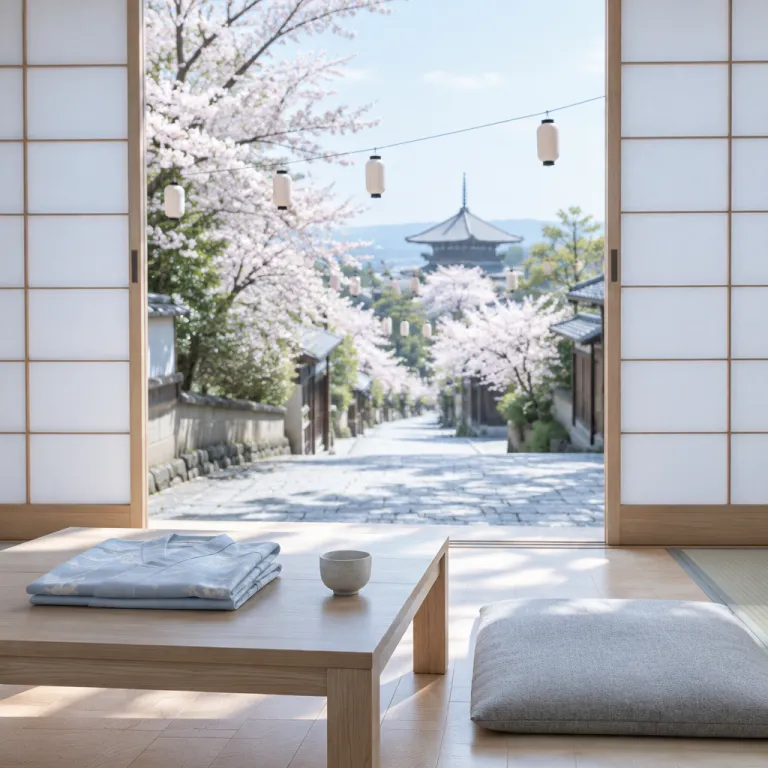
Spring is the most famous time to visit Kyoto, when cherry blossoms frame temple roofs and the imperial palace gardens, and when every week brings new festivals, events, and special menus. Late March to mid April is the classic blossom season, and during these weeks you will find the average high pleasantly mild, the average low still cool at night, and the city’s riversides lined with picnics under pale pink cherry blossoms. This is also when local businesses and the Kyoto Tourism Board see the highest crowds, so hotel rates climb and the best rooms with garden views or easy access to Gion can sell out months in advance.
Autumn rivals spring as the ideal period for many repeat guests, especially those who value atmosphere over flowers. From late October through November, fall foliage and deep red fall colors transform temple complexes such as Tofuku ji and Eikando, while Kyoto weather offers clear sunny days and comfortable temperatures that make long walks between shrines a pleasure. Across the year, trends show increased interest in off peak travel to avoid crowds, and autumn now attracts travelers who once focused only on cherry blossom season but now appreciate quieter streets, softer light, and more balanced hotel availability.
Spring in Kyoto: cherry blossoms, peak crowds, and premium hotel stays
For many travelers the best time to visit Kyoto is the short, intense cherry blossom window from late March into early April. During this period, the average high temperature rises into the mid teens Celsius while the average low still dips into single digits, creating crisp mornings that warm into ideal sightseeing afternoons. Kyoto weather can bring occasional rainy season style showers even before summer, yet most days remain bright enough that the city’s riverside paths and the imperial palace park fill with visitors from across Japan and abroad.
When you visit Kyoto during cherry blossom season, expect the highest crowds of the year around Maruyama Park, the Philosopher’s Path, and the Kiyomizu dera hillside. Hotels near these districts book out quickly, and the best rooms with views of cherry blossoms or temple roofs are usually reserved by experienced guests who plan their time to visit Japan a full season ahead. In this period, the combination of festivals, events, special evening illuminations, and extended opening hours means that your daily time in the city can stretch from sunrise photography sessions to late night walks under lantern lit trees.
From a hospitality perspective, spring is the most competitive of all times to visit Kyoto, and flexibility becomes your greatest asset. If your dates in March or April are fixed, consider staying slightly away from the busiest cherry blossom corridors and using Kyoto’s efficient buses and trains to reach the imperial palace, Arashiyama, or quieter riverside neighborhoods. Travelers who can adjust their visit by even a few days toward the start or end of blossom season often secure lower rates, enjoy more relaxed breakfasts, and still experience the full drama of petals drifting across temple ponds; as a practical rule, aim to reserve central hotels at least three to six months ahead for this season.
Summer heat, festivals, and strategic hotel choices
Summer in Kyoto, Japan brings a very different answer to the question of the best time to visit Kyoto, especially for travelers sensitive to heat. From late June through July, Kyoto weather turns hot and humid, with the average high climbing above 30 °C and the average low remaining warm even at night. The rainy season typically lingers into early summer, so you should expect heavy showers between sunny days, and plan hotel locations and room types with shade, air conditioning, and easy access to cool indoor spaces.
Despite the challenging weather, July is one of the most culturally rich times to visit Kyoto because of the Gion Matsuri, the city’s signature summer festival. During this month long series of festivals and events, enormous wooden floats roll through downtown streets, and crowds gather late into the night to enjoy food stalls and traditional performances. Hotels near Shijo and Karasuma book out quickly for the main parade week, and the best rooms with city views or private lounges become prized, so if you want to visit Kyoto during Gion Matsuri you should reserve as early as possible and accept higher nightly rates.
Later in summer, August brings both intense heat and some of the most atmospheric evenings of the year, including the Daimonji fire festival in the surrounding hills. On these nights, many guests choose hotels that offer easy access to riverbanks or higher viewpoints, trading daytime discomfort for unforgettable after dark experiences under relatively clear, if humid, skies. For some travelers, this season is not the best time to visit Kyoto, yet for those who prioritize festivals, events, and the unique mood of summer nights in Japan, it can be the most memorable time to stay in the city; booking near central train or subway lines helps you retreat quickly to air conditioned rooms after late festivities.
Autumn colors and balanced conditions for hotel stays
As the humid air fades and the first cool breezes arrive, many seasoned travelers quietly name autumn as the best time to visit Kyoto. From late October into November, Kyoto weather settles into a pattern of mostly sunny days with an average high in the high teens and an average low that feels crisp but not harsh. This is when fall foliage reaches its peak, and temple gardens across the city glow with fall colors that range from pale gold to deep crimson.
During these weeks, the crowds are significant but often feel more evenly distributed than in cherry blossom season, which makes it easier to enjoy longer stays and more relaxed hotel experiences. Properties near Arashiyama, Nanzen ji, and the eastern hills become especially popular, as guests want to step outside and immediately access maple lined paths without long transfers. If you plan to visit Kyoto in this season, booking a hotel at least one or two months ahead usually secures better rates and gives you a wider choice of room categories, including river view suites and quiet courtyard rooms that sell out quickly.
Autumn also brings a refined calendar of festivals and events, from temple illuminations to cultural performances that highlight Kyoto’s role as a historic capital of Japan. While not as crowded as golden week or the peak of cherry blossom season, these periods to visit Kyoto still attract many domestic travelers, especially on weekends when fall foliage is at its brightest. For guests who value comfortable Kyoto weather, moderate crowds, and the ability to walk between the imperial palace, downtown, and hillside temples without battling extreme heat or cold, this period often becomes their personal best time to visit Kyoto year after year; for maximum convenience, target stays near subway or Hankyu lines that link central districts with major viewing spots.
Winter quiet, low rates, and thoughtful hotel planning
Winter in Kyoto offers a very different interpretation of the best time to visit Kyoto, one defined by quiet streets, low hotel rates, and occasional dustings of snow on temple roofs. From December through February, the average high hovers around single digits while the average low can drop close to freezing, so Kyoto weather feels cold but usually manageable with proper layers. Sunny days are common between grey spells, and when light snow falls on the imperial palace grounds or Arashiyama’s bamboo groves, the city takes on a serene atmosphere that many guests never see.
For travelers focused on value, this season can be the best time to visit Kyoto because hotel prices often reach their lowest point of the year outside of New Year holidays. You will find that even high end properties offer promotions for longer stays, and the best rooms with garden views or private onsen style baths become more accessible to those who usually book standard categories. Crowds thin dramatically compared with March, April, or golden week, so you can visit Kyoto’s major temples, stroll through Gion, and explore the imperial palace park with far more space and time.
Winter also suits travelers who prioritize indoor cultural experiences, from tea ceremonies to museum visits, rather than outdoor cherry blossoms or fall foliage. While festivals and events are fewer than in July or October, local neighborhoods still host smaller celebrations, and restaurants focus on warming seasonal dishes that pair beautifully with the cold Kyoto weather. For some guests, these calm periods to visit Kyoto, with low noise levels and attentive service, become their preferred time to visit Japan, especially when they want to rest deeply in their hotel after days of unhurried exploration; choosing accommodation close to heated train stations or covered shopping arcades makes winter sightseeing especially comfortable.
Key booking strategies: aligning your hotel with Kyoto’s seasonal patterns
Understanding seasonal tourism patterns is essential if you want to turn the best time to visit Kyoto into the best possible hotel stay. Across the year, the interplay between Kyoto weather, festivals and events, and domestic travel peaks such as golden week creates sharp swings in both room rates and availability. Travelers who study these periods to visit Kyoto, using weather forecasts, event calendars, and advice from travel agencies or local guides, consistently secure better value and more satisfying experiences.
During cherry blossom season in March and April, and again during peak fall foliage, you should treat central Kyoto hotels like limited tickets to a major performance. The best rooms near the imperial palace, Gion, and major temple districts often disappear three to six months ahead, especially for stays that include a weekend or a national holiday. If you must visit Kyoto in these periods, consider flexible arrival dates, longer minimum stays that unlock better nightly rates, or slightly less central neighborhoods that still offer quick access to the city’s highlights.
In contrast, July’s Gion Matsuri and the August fire festival create short, intense spikes in demand around specific days, while much of the rest of summer and winter remains relatively low in both rates and crowds. By targeting these shoulder times to visit Kyoto, such as the week before or after a major event, you can enjoy the atmosphere of festivals and events without paying the absolute peak prices. As the Kyoto Tourism Board often advises, travelers should “Book accommodations early during peak seasons,” “Prepare for varying weather conditions,” and “Check local event schedules in advance,” because these simple steps transform a good time to visit Japan into an exceptional one.
Key figures that define the best time to visit Kyoto
- Average high temperatures in Kyoto reach about 33 °C in August, while the average low in winter can approach freezing, so travelers sensitive to heat or cold should align their visit Kyoto plans with these Kyoto weather patterns (Japan Meteorological Agency; Tripbase).
- The average high temperature in January is around 9 °C, which makes this month suitable for guests who prefer cool, sunny days and low crowds over cherry blossoms or fall colors (Japan Meteorological Agency; Tripbase).
- Cherry blossom peak season in Kyoto typically falls in April, with late March to mid April offering the most reliable cherry blossoms around the imperial palace, Maruyama Park, and the Philosopher’s Path (Lonely Planet).
- Summer temperatures often range from 28 to 33 °C, and combined with high humidity, this makes July and August better suited to travelers who prioritize festivals and events such as Gion Matsuri and the fire festival over comfortable daytime walking (Tripbase).
- Autumn foliage usually peaks between late October and late November, a period that has seen growing popularity among visitors who want to avoid the heaviest cherry blossom crowds while still enjoying vivid fall foliage and balanced Kyoto weather (Kyoto Tourism Board trend reports).
FAQ: planning the best time to visit Kyoto for your hotel stay
When is the cherry blossom season in Kyoto?
When you plan to visit Kyoto for cherry blossoms, you should target late March to mid April. According to verified travel data, “When is the cherry blossom season in Kyoto? Late March to mid-April.” Hotels near prime viewing spots such as the imperial palace, Maruyama Park, and the Philosopher’s Path book out early, so reserve several months ahead if this is your personal best time to visit Kyoto.
What is the weather like in Kyoto during summer?
Summer Kyoto weather is hot and humid, with temperatures often around 28 to 33 °C during the day. This makes July and August challenging for long walks, but ideal for evening festivals and events such as Gion Matsuri and the fire festival. If you visit Japan in this season, choose hotels with strong air conditioning, easy access to public transport, and perhaps a pool or spa for cooling down after sunny days.
Are there major festivals in Kyoto during autumn?
Autumn in Kyoto features several important festivals and events, including the Jidai Matsuri historical procession in October and numerous temple illuminations during peak fall foliage. These occasions, combined with comfortable Kyoto weather and vivid fall colors, make October and November one of the best times to visit Kyoto for culture focused stays. Hotels near central parade routes and major temples fill quickly around these dates, so early booking is wise.
Is winter a good time to visit Kyoto for lower hotel rates?
Winter is often the lowest priced time to visit Kyoto, especially outside the New Year holiday period. With fewer crowds and a calm atmosphere, many hotels offer attractive long stay packages, and the best rooms become more accessible. Travelers who do not mind cold temperatures and shorter sunny days can enjoy quiet temples, attentive service, and excellent value across the city.
How far in advance should I book a hotel for peak seasons?
For cherry blossom season in March and April, and for peak fall foliage in late October and November, you should book your Kyoto hotel at least three to six months in advance. This is especially true if you want specific neighborhoods, views, or room types during the absolute best time to visit Kyoto for scenery. For summer festivals such as Gion Matsuri or the fire festival, securing rooms two to four months ahead usually balances choice, price, and flexibility.