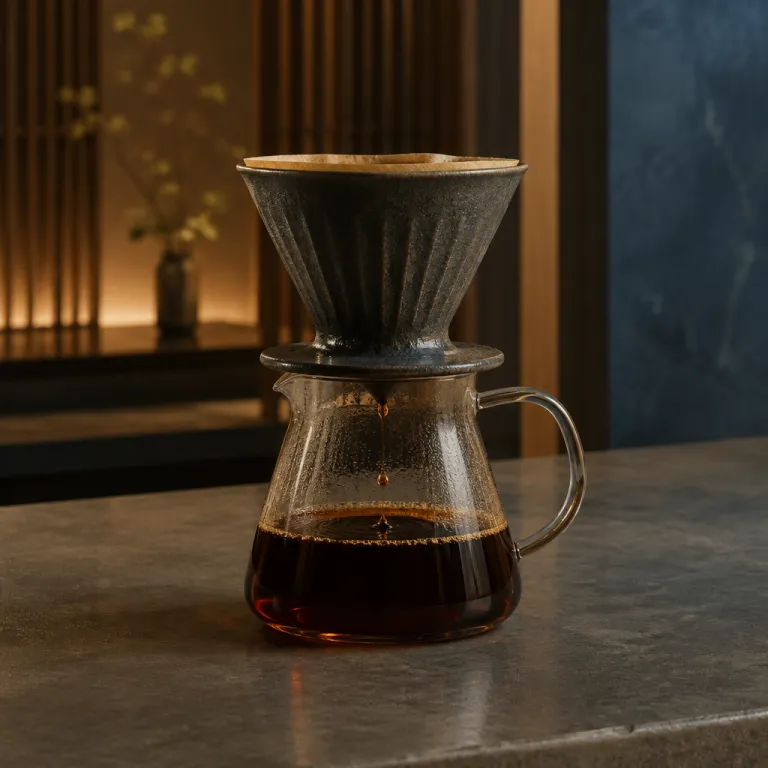
Why Kyoto drip coffee matters when choosing your Kyoto hotel
Kyoto drip coffee is more than a drink; it is a quiet ritual that shapes how you experience the city from dawn to late evening. In traditional kissaten-style cafés and in forward-looking hotel lounges, the slow drip method using cold water and ice has become a symbol of Kyoto-style hospitality that values patience, precision, and calm. When you choose a place to stay, understanding how this style of coffee is brewed and served helps you read the hotel’s priorities in a very tangible way.
In classic Kyoto coffee brewing, a tall glass tower stands behind the counter, its borosilicate glass chambers stacked like a sculpture and its valve set to release about one drop per second. This gravity-based brewing method lets cold water and ice travel through medium-coarse coffee grounds over several hours, creating a brew concentrate that is clean, aromatic, and naturally sweet. Because the process is a slow drip rather than immersion, the resulting cold brew coffee has lower bitterness, softer acidity, and a clarity that pairs beautifully with Kyoto’s delicate local-first food offerings.
For hotel guests, this means the best properties treat Kyoto drip as part of their identity, not an afterthought added to a generic iced coffee menu. You will often see a dedicated barista or brewer acting as the careful preparer, adjusting the drip valve, checking the coffee grounds, and timing the brew coffee cycle so that a fresh batch of cold drip is ready at breakfast or in the late afternoon. When a hotel invests in hand-blown towers, high-quality single-origin beans, and staff training in this style of cold method, it signals the same attention to detail you want to see in the rooms, the onsen, and the overall guest experience.
Inside the Kyoto drip method and what it means for your stay
Kyoto drip coffee follows a precise brewing method that rewards patience, and understanding it helps you plan your hotel hours and routines. The barista sets a drip rate of roughly one drop per second, allowing cold water to pass through the coffee grounds for at least three hours and often up to eight, which means each tower becomes a quiet clock that structures the café’s day. Because the brewing relies on percolation rather than immersion, the resulting cold drip concentrate stays stable for a longer time, so hotels can serve it throughout the day without losing flavour.
The equipment itself is part of the appeal, especially for guests who appreciate design and craftsmanship in their accommodation. Tall Yama-style towers made from wood and borosilicate glass often feature three chambers; the top holds ice and cold water, the middle contains the medium-coarse grounds in a paper or cloth filter, and the bottom collects the finished brew. Many Kyoto properties now commission hand-blown glass tower pieces that echo the aesthetics of their lobby or tea lounge, turning each Kyoto drip installation into a functional artwork that you can watch while you sip.
Because the process takes time, you should ask the hotel when they usually start their coffee brewing cycle and when the first batch of Kyoto cold drip coffee is ready. Some properties align their slow-brewing schedule with breakfast, while others time a fresh tower for mid-afternoon, when guests return from temples and want a refined iced coffee instead of a heavy snack. To explore how this ritual fits into wider hospitality trends, look at this guide to Kyoto cold drip coffee culture for hotel guests, which shows how leading hotels integrate slow drip service into check-in, concierge recommendations, and evening bar menus.
Local first food, Kyoto drip coffee, and where to book your room
Kyoto’s most interesting hotels now link their Kyoto drip coffee programs directly to local-first food concepts, which matters if you care about provenance and seasonality. Instead of generic pastries, you might find cold brew coffee paired with wagashi sweets from a nearby artisan, or a breakfast tray where slow drip iced coffee sits beside tofu, pickles, and vegetables sourced from farms around the city. This integration of style coffee and regional cuisine turns your morning brew into a lens on Kyoto’s culinary culture.
Location plays a crucial role, especially if you want to explore markets and cafés on foot between temple visits. Staying near Nishiki Market, often called Kyoto’s kitchen, gives you access to roasters who specialise in single-origin beans and Kyoto-style drip coffee, as well as stalls selling sweets and savoury bites that match the clean, nuanced flavours of cold drip. For a deeper look at how neighbourhoods shape both your plate and your cup, consult this guide on staying near Nishiki Market and how Kyoto’s kitchen shapes your hotel choice, then cross-reference it with hotels that highlight their coffee brewing credentials.
When you evaluate potential places to stay, read the breakfast and lounge descriptions as carefully as you read room sizes. Look for mentions of Kyoto drip towers, medium-coarse coffee grounds, and cold water extraction, as well as partnerships with local roasters who can supply traceable single-origin beans. A property that explains its method, specifies brew time in hours, and describes how it serves cold brew concentrate over ice or with seasonal ingredients is usually one that also takes sourcing seriously in its restaurant and bar, which benefits every part of your stay.
How to read a Kyoto drip tower in your hotel lobby
When you walk into a Kyoto hotel and see a tall glass tower quietly dripping, you are looking at a condensed expression of the property’s philosophy. A well-maintained Kyoto drip tower with clear borosilicate glass chambers, a steady slow drip, and neatly arranged paper filters suggests disciplined operations and respect for craft. If the barista or brewer can explain the method, from grind size to water temperature, you gain insight into how the hotel trains staff and communicates standards.
Pay attention to the details around the tower, because they mirror the details in your room and shared spaces. Are the coffee grounds weighed precisely, is the medium-coarse grind consistent, and does the team adjust the drip rate when the ambient temperature changes to keep the cold water extraction stable over several hours? These small choices in coffee brewing echo how the hotel handles linen quality, bath amenities, and even the pacing of service in the restaurant or spa.
Some properties use multiple towers to stage different experiences throughout the day, such as one Kyoto-style brew concentrate for breakfast and another single-origin cold drip for evening pairings with wagashi or chocolate. Others highlight hand-blown Yama-style towers as part of a quiet luxury narrative, aligning them with local ceramics, washi paper art, and subtle lighting. For a broader view of how such design choices reflect where to sleep in Kyoto’s evolving hospitality scene, you can study this analysis of Kyoto’s quiet luxury hotel openings in Gion, then compare how each property presents its coffee service.
Practical tips for hotel guests ordering Kyoto drip coffee
Ordering Kyoto drip coffee in your hotel becomes far more rewarding when you understand the timing and the options. Because a full batch can take between three and eight hours depending on tower size and drip rate, you should ask when the current brew started and when it will finish, then plan your visit to the lounge or café accordingly. If you want the brightest flavours, aim for a serving soon after the brew coffee cycle ends, while the cold drip concentrate is at its most aromatic.
Ask the barista about the beans, since many Kyoto hotels now feature single-origin coffees that change with the season. A lighter roast from Ethiopia or Kenya will usually produce a more floral, tea-like style of cold brew, while a medium roast from Latin America might yield a richer, chocolate-toned iced coffee that pairs well with desserts. You can also inquire whether they adjust the medium-coarse grind or the slow drip rate for different origins, which shows how seriously the property treats coffee brewing as part of its hospitality program.
Finally, consider how you want your Kyoto cold drink served, because presentation affects both flavour and atmosphere. Some hotels pour the brew concentrate over a large block of ice in a thin glass, while others dilute it slightly with cold water for a gentler style of coffee that you can sip slowly while reading or planning the next day. If you are sensitive to caffeine at night, ask whether they offer smaller portions, shorter brew times, or even a decaffeinated Kyoto drip option, so you can enjoy the ritual without compromising your sleep.
Kyoto drip coffee and the rise of local first beverage programs
Kyoto’s hospitality scene has embraced Kyoto drip coffee as a bridge between global specialty trends and local-first values. Many hotels now source beans from Japanese roasters who work directly with farms, then integrate those single-origin coffees into cold drip menus that sit alongside regional teas, sake, and seasonal fruit juices. This approach allows properties to offer a style of coffee experience that feels both international in technique and deeply rooted in Kyoto’s culinary culture.
Some hotels go further by pairing their Kyoto-style towers with ingredients from nearby producers, such as honey from local apiaries or citrus from small orchards in the Kansai region. The brew concentrate from the tower becomes a base for signature iced coffee drinks, where cold water extraction and slow drip clarity highlight subtle flavours rather than masking them with heavy syrups. In these spaces, the glass tower, the paper filters, and the hand-blown details are not just décor; they are tools that support a thoughtful, low-waste beverage program aligned with the kitchen’s sourcing philosophy.
For travellers choosing where to stay, this integration of Kyoto drip and local-first food concepts offers a practical decision-making tool. A hotel that can explain its coffee brewing method, specify the hours needed for each batch, and name the farms or roasters behind its beans is usually one that applies the same transparency to its restaurant menus. When you hear staff confidently answer questions such as “How long does Kyoto drip take?” with “Usually 3–8 hours depending on tower size and drip rate.” and “Difference between Kyoto drip and cold brew?” with “Kyoto drip uses percolation; cold brew uses immersion.” you are hearing the kind of product knowledge that signals genuine expertise rather than marketing language.
Key figures behind Kyoto drip coffee in Kyoto hotels
- Typical Kyoto drip brewing time in hotels ranges from 3 to 8 hours, with many properties starting a batch before dawn so that cold brew is ready for breakfast service, reflecting the slow nature of percolation compared with hot extraction.
- A commonly used drip rate is about one drop per second, which allows cold water and ice to pass through medium-coarse coffee grounds gently enough to reduce bitterness while still producing a concentrated brew suitable for serving over ice.
- Most Kyoto-style towers in hotel lounges use three chambers made from borosilicate glass, separating the ice water, the grounds, and the finished coffee, which helps maintain clarity and temperature stability throughout the brewing cycle.
- Compared with traditional hot coffee, well-executed Kyoto drip often shows noticeably lower perceived acidity and bitterness, which makes it especially appealing to international guests who want a refreshing drink after walking several kilometres between temples.
FAQ about Kyoto drip coffee for Kyoto hotel guests
How long does Kyoto drip coffee usually take in hotels
Most Kyoto hotels that serve authentic Kyoto drip start their towers several hours before service, with a typical brewing duration between three and eight hours depending on tower size and drip rate. This long extraction with cold water and ice is what creates the clean, aromatic profile associated with Kyoto-style cold drip. If timing matters to you, ask the staff when the current batch began and when it will be ready.
What is the difference between Kyoto drip and standard cold brew
Kyoto drip coffee relies on a slow percolation method where cold water drips through coffee grounds in a tall glass tower, while standard cold brew usually uses immersion in a container without dripping. The percolation approach often yields a clearer, more layered flavour profile, with less sediment and a lighter body. In Kyoto hotels, this distinction is important because it affects both taste and how the drink pairs with local-first food menus.
Can I find Kyoto drip coffee in most Kyoto hotels
Not every Kyoto property offers true Kyoto drip, but it is increasingly common in higher-end hotels and in those that emphasise specialty coffee or local-first beverage programs. When researching, look for mentions of towers, slow drip, or Kyoto-style cold brew in the lounge or café descriptions. If the hotel only lists generic iced coffee, it may not be using the traditional method.
Is Kyoto drip coffee stronger than regular hot coffee
Kyoto drip often produces a brew concentrate that can be stronger in flavour and caffeine per millilitre than standard hot coffee, but hotels usually serve it diluted over ice or with a little cold water. The taste feels smoother and less bitter, which can make it seem lighter even when the caffeine content is comparable. If you are sensitive to caffeine, ask for a smaller serving or a version with more dilution.
What should I look for in a hotel that takes Kyoto drip seriously
A hotel that treats Kyoto drip coffee as part of its identity will usually have visible glass towers, trained baristas who can explain the method, and clear information about beans, grind size, and brewing time. You may also see references to single-origin coffees, hand-blown borosilicate glass equipment, and pairings with local-first food items. These signs indicate a property where attention to detail in the cup reflects attention to detail throughout the guest experience.