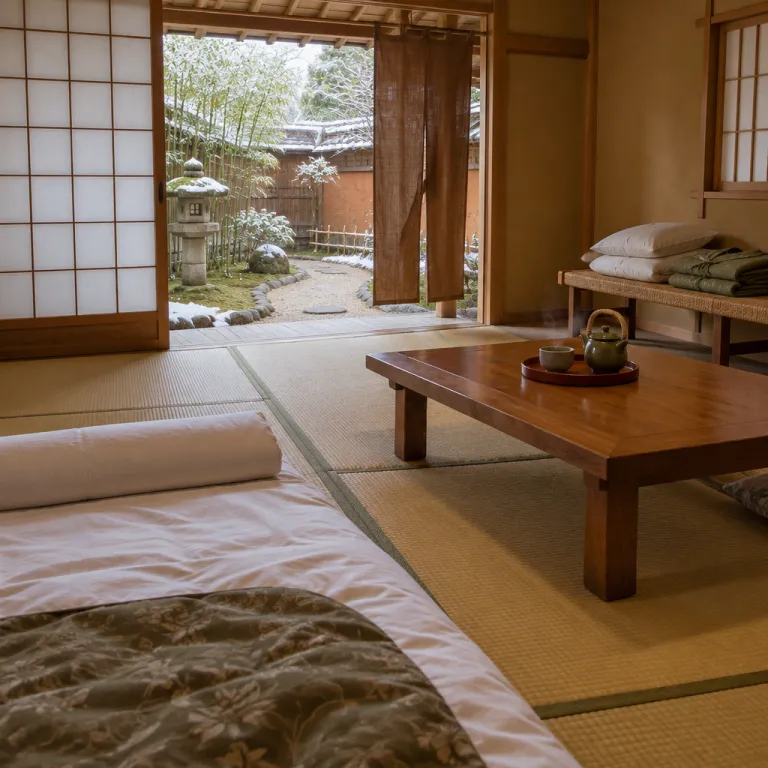
Understanding Kyoto Japan winter travel patterns before you book
Kyoto in winter feels quieter, more intimate, and deeply atmospheric. The city sees fewer visitors than in peak cherry blossom or autumn foliage seasons, yet cold-season trips still attract travellers who value calm streets and clear views of every shrine and temple. For someone planning Kyoto Japan winter travel, this seasonal rhythm should guide where you stay and how early you book.
From early December, hotel prices in Kyoto, Japan often soften, then rise again around New Year when domestic tourism surges. By mid January, the city returns to a gentler pace, making Kyoto January an excellent moment for guests who want space in Gion, at each inari shrine, or inside a quiet museum Kyoto offers. Late winter Kyoto, especially Kyoto February, brings plum blossom and crisp air, which changes the feel of every day trip and every evening walk.
Winter Japan travel patterns also depend on where you arrive from, especially if you connect through Tokyo. Many visitors plan a few days in Tokyo, then visit Kyoto by shinkansen for a calmer winter Japan experience focused on temples, tea, and traditional Japanese hospitality. If you understand these flows, you can secure the best rooms in the city and avoid the busiest days around each major shrine or temple.
Snow in Kyoto is not guaranteed every winter, yet light snowfalls transform the city into something quietly beautiful. When snow does arrive, rooftops in Gion, the paths at Fushimi Inari, and the gardens of every dera temple look like ink paintings dusted with white. Hotels near these areas often sell out quickly for those rare snow days, so flexible dates in January or February increase your chances of seeing Kyoto winter landscapes at their best.
For Kyoto Japan winter travel, think in terms of micro seasons rather than one long cold period. Early Kyoto December still feels autumnal, mid winter Kyoto is crisp and contemplative, and late Kyoto February is defined by plum blossom and lengthening light. Aligning your hotel booking with the mood you prefer will shape how you remember each day in this Japanese city.
Where to stay in Kyoto in winter: neighbourhoods and hotel types
Choosing the right Kyoto neighbourhood in winter changes how you experience the city. Staying in Gion places you near Yasaka Shrine, traditional Japanese teahouses, and narrow lanes that feel especially atmospheric on a cold January night. A hotel near the Kamo River offers wide sky views, which become particularly beautiful when snow falls softly over the water.
For travellers who want easy access to Fushimi Inari and every inari shrine on that mountain, basing yourself near Kyoto Station can be the best strategy. Trains and buses from this hub make winter Japan day trips simple, whether you head to Arashiyama Bamboo, Kurama Onsen, or a distant dera temple. This area also suits guests arriving from Tokyo, since you can roll your suitcase straight from the shinkansen into your hotel within minutes.
Those who prioritise food might prefer to stay near Nishiki Market, often called Kyoto’s kitchen. Hotels around this area give you quick access to steaming bowls of noodles, fresh tofu, and warming Japanese tea on cold winter Kyoto mornings, and you can learn how the market shapes accommodation choices through this detailed guide on staying near Nishiki Market and how it influences where to stay. From here, you can easily visit Kyoto highlights like Gion, Yasaka Shrine, and several museum Kyoto institutions on foot.
If your Kyoto Japan winter travel focuses on gardens and seasonal colour, consider how your autumn plans might differ from your cold season stay. Travellers often use resources such as this specialist guide on planning Kyoto hotels around foliage dates and neighbourhoods to compare peak autumn with quieter winter months. The contrast helps you see why Kyoto December, Kyoto January, and Kyoto February each offer distinct hotel price patterns and availability.
Ryokan style properties with onsen style baths, whether private or shared, are particularly appealing in winter Kyoto. After a long day trip to an inari shrine, a bamboo forest, or a distant temple, soaking in hot water feels restorative in a way that defines winter Japan memories. When you book, check whether the onsen facilities are natural hot spring water or heated city water, and whether they offer separate times for men and women or private family slots.
Balancing winter sightseeing and hotel location in Kyoto
Kyoto Japan winter travel rewards those who match their hotel location to their sightseeing priorities. If your main goal is to visit Kyoto shrines and temples with minimal crowds, staying near the eastern hills can be ideal. From there, you can walk to Yasaka Shrine, Kiyomizu dera temple, and several smaller shrine complexes in a single day.
Travellers who want to experience Arashiyama Bamboo at first light should consider a hotel on the western side of the city. In winter Kyoto, the bamboo forest feels especially serene at dawn, when the air is cold and the paths are almost empty. Staying nearby reduces early morning travel time and lets you return to your room quickly if snow or rain arrives during the day.
For those planning multiple day trips, a base near Kyoto Station or central downtown often works best. You can reach Fushimi Inari, Kurama Onsen, and many inari shrine sites without long transfers, which matters on short winter days. This central position also makes it easier to visit a museum Kyoto is known for, then return to your hotel for a rest before an evening tea ceremony.
When you map out things Kyoto offers in winter, consider daylight hours and temperature. Shorter days mean you may want to prioritise outdoor visits, such as a shrine, temple, or bamboo forest, in the morning and early afternoon. Evenings are perfect for indoor experiences like a tea ceremony, a traditional Japanese kaiseki dinner, or exploring a museum Kyoto curates with care.
Snow, when it comes, can slightly slow transport yet also enhances every view. A light snowfall over Fushimi Inari or a quiet inari shrine turns a standard visit into something unforgettable, especially if you return to a warm room nearby. Booking a hotel within walking distance of at least one major site ensures that even on a cold or snowy day, you can still enjoy Kyoto winter without long commutes.
Onsen, tea, and seasonal rituals that shape winter stays
One of the greatest pleasures of Kyoto Japan winter travel is the contrast between cold air and warm interiors. After hours spent exploring a shrine, temple, or bamboo forest, stepping into a steamy onsen bath feels like a ritual in itself. Many travellers plan their entire Kyoto winter itinerary around access to hot water, tea, and quiet indoor spaces.
Within the city, some hotels offer large communal baths inspired by traditional Japanese onsen culture, even if they do not use natural spring water. These spaces become social hubs on cold January nights, where guests share stories of their day trip to Fushimi Inari, Arashiyama Bamboo, or a distant inari shrine. For a more rural feeling, Kurama Onsen in the northern hills makes a rewarding excursion, especially when snow dusts the surrounding trees.
Tea is another anchor of winter Kyoto life, and your hotel choice can bring you closer to this culture. Properties near Gion or the Higashiyama district often collaborate with local tea houses to offer a structured tea ceremony, which deepens your understanding of Japanese aesthetics. Sipping hot tea after a chilly visit Kyoto walk through Yasaka Shrine or a nearby dera temple becomes a simple yet powerful pleasure.
Seasonal food rituals also matter during Kyoto December, Kyoto January, and Kyoto February stays. Many restaurants highlight ingredients that pair well with hot tea, such as grilled fish, root vegetables, and warming soups that feel perfect after a snowy day. When you book, look for hotels that either have strong in house dining or sit close to local eateries, so you are not walking far in the cold.
Some travellers time their Kyoto Japan winter travel to coincide with early plum blossom, which often appears before cherry trees. Plum trees in shrine and temple gardens, especially in quieter corners of the city, offer delicate colour against bare branches. Staying near these gardens allows you to step out for a short visit on any clear day, then retreat quickly to warmth when the temperature drops.
Seasonal events, plum blossom, and cultural depth in winter Kyoto
Winter Kyoto is not only about quiet streets and empty temples; it also hosts subtle seasonal events. Many shrines and temples hold New Year related rituals, which attract local residents as much as visitors from across Japan. If you plan to visit Kyoto during this period, book your hotel well in advance, as demand for the best located rooms rises sharply.
As the season progresses, plum blossom becomes the defining motif of Kyoto February and late Kyoto January. Plum trees bloom in temple courtyards, shrine precincts, and dedicated gardens, offering colour when snow may still appear on colder days. Hotels near these sites allow you to step out for short walks to admire each plum tree at different times of day.
Several museum Kyoto institutions curate winter exhibitions that explore Japanese art, tea culture, or religious history. These indoor spaces are ideal on days when wind or snow makes outdoor sightseeing less appealing, especially for families or older travellers. Staying within a short bus or subway ride of at least one major museum ensures you always have meaningful things Kyoto can offer, regardless of the weather.
Gion and the surrounding streets feel different in winter compared with other times of year. Lantern light reflects on wet stone, and the absence of heavy crowds lets you appreciate the beautiful wooden facades and traditional Japanese architecture. Choosing a hotel here gives you the option of short evening strolls after dinner, even on cold January nights.
For many guests, Kyoto Japan winter travel is also a chance to reflect more deeply on the spiritual side of the city. Visiting Fushimi Inari or a smaller inari shrine in the quiet of a winter morning can feel more contemplative than during busier seasons. When you return to your room, the contrast between the cold mountain paths and your warm hotel reinforces the sense of having experienced something rare.
Practical booking strategies for Kyoto Japan winter travel
Planning Kyoto Japan winter travel requires attention to both climate and calendar. While winter Japan temperatures in Kyoto are generally manageable, wind and occasional snow can make some days feel much colder than the numbers suggest. Booking a hotel with easy access to public transport reduces the time you spend outside on platforms or at bus stops.
For Kyoto December stays, you will often find a mix of late autumn colour and early winter calm. Hotel rates can be relatively moderate before the New Year period, especially in areas slightly away from Gion or the main shrine districts. If you aim for Kyoto January or Kyoto February, you may secure better value, though specific weekends linked to events or plum blossom can still be busy.
When comparing properties, look beyond room size and focus on winter friendly features. Strong heating, good insulation, and access to an onsen style bath or large communal bath can transform your experience after a long day trip. A hotel lounge that serves hot tea throughout the day also becomes a quiet refuge between visits to a temple, shrine, or museum Kyoto maintains.
Think carefully about how you will move between Kyoto and Tokyo during your trip. Many travellers choose to arrive in Tokyo, spend a few days there, then visit Kyoto by shinkansen for the cultural heart of their winter Japan journey. Booking flexible rail tickets and a cancellable hotel rate in Kyoto allows you to adjust your dates if a forecast of snow or plum blossom appears.
Finally, remember that Kyoto winter days are short, so location matters more than in other seasons. A central base lets you visit Kyoto highlights such as Fushimi Inari, Arashiyama Bamboo, and Yasaka Shrine without long transfers, even if you only have one full day. With thoughtful planning, your Kyoto Japan winter travel can balance comfort, culture, and the quiet beauty that defines the city at this time of year.
Key statistics for Kyoto Japan winter travel
- Kyoto receives around 50 million visitors per year across all seasons, with winter months typically recording lower monthly totals than spring and autumn according to Kyoto City Tourism Association data (Kyoto City Tourism Association).
- Average daytime temperatures in Kyoto winter months range from about 5 to 10 degrees Celsius, based on Japan Meteorological Agency records (Japan Meteorological Agency), which makes layered clothing and warm accommodation essential.
- Light snow falls on roughly a handful of days per winter in Kyoto city centre, while surrounding hills see more frequent snow, creating occasional opportunities for snowy temple and shrine views.
- Shinkansen travel time between Tokyo and Kyoto is approximately 2 hours and 15 minutes on the Nozomi service, which enables short winter Japan stays focused on Kyoto’s cultural sites.
- Hotel prices in Kyoto often dip between major holiday periods, with mid January to early February commonly offering more competitive rates than peak cherry blossom or autumn foliage seasons, according to industry booking data.
FAQ about Kyoto Japan winter travel and hotels
Is Kyoto worth visiting in winter for a short hotel stay ?
Kyoto is highly rewarding in winter, especially for travellers who value quieter temples, shrines, and streets. A short stay of two to three nights allows you to visit Kyoto highlights such as Fushimi Inari, Arashiyama Bamboo, and central Gion without the heavy crowds of peak seasons. The cooler air and occasional snow also create a distinctive atmosphere around every shrine and temple.
Which Kyoto neighbourhood is best for first time winter visitors ?
For a first winter Kyoto trip, many travellers choose central areas near Kyoto Station or downtown. These districts offer easy access to buses and trains for day trips to Fushimi Inari, Kurama Onsen, and major temples, while still being close to restaurants and shops. If you prefer a more atmospheric setting, Gion and the eastern hills place you near Yasaka Shrine and several dera temple sites.
How far in advance should I book a Kyoto hotel for January or February ?
For Kyoto January and Kyoto February stays, booking four to eight weeks ahead usually provides a good balance between choice and price. If your dates coincide with New Year events or specific plum blossom festivals, consider reserving even earlier. Flexible cancellation policies are useful in winter Japan, as you may want to adjust your trip around weather forecasts.
Can I experience onsen culture while staying in Kyoto city ?
While Kyoto city itself has limited natural hot springs, many hotels offer large communal baths inspired by onsen traditions. These facilities are especially appealing after a cold day visiting a shrine, temple, or bamboo forest. For a more authentic hot spring experience, a day trip to Kurama Onsen in the northern hills is a popular option.
What should I pack for Kyoto Japan winter travel ?
For Kyoto Japan winter travel, pack layered clothing, a warm coat, gloves, and a hat, as temperatures can feel colder than they appear on paper. Waterproof shoes are helpful for rainy or snowy days, especially when walking around Fushimi Inari or Arashiyama Bamboo. A compact umbrella and a thermos for hot tea also make winter sightseeing more comfortable.