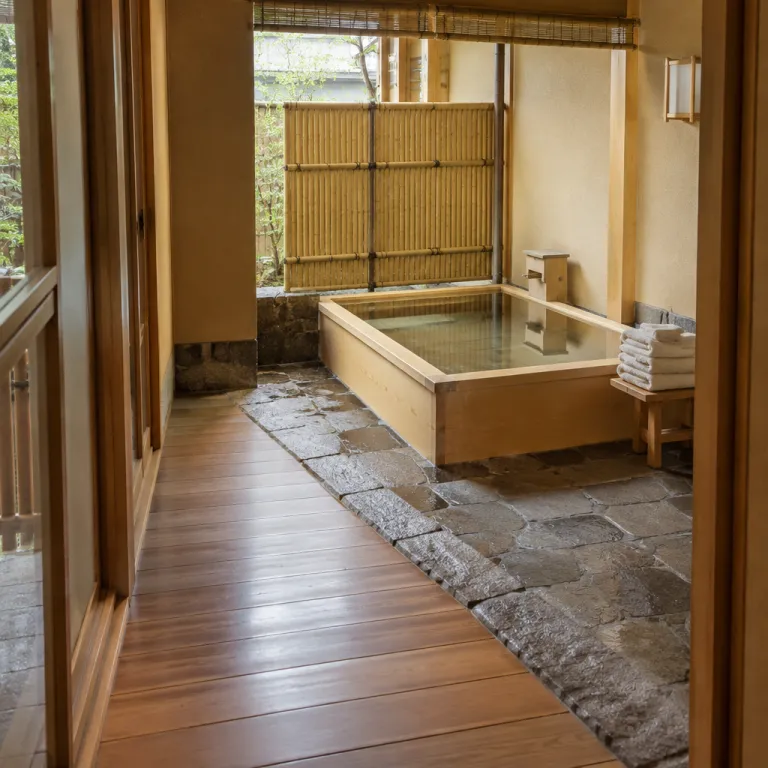
Kyoto tattoo friendly onsen culture for hotel guests
Kyoto balances deep tradition with quiet flexibility for modern travelers. For anyone seeking a Kyoto tattoo friendly onsen stay, the key is understanding how local bathing etiquette intersects with visible tattoos. This balance matters when you are choosing both your hotel and your daily baths.
Across Kyoto city, many onsen and sento still associate tattoos with organised crime, so rules can feel strict for tattooed guests. At the same time, more inclusive bathing venues now publish clear policies online, which makes it easier to plan a fully relaxing day around hot spring baths. When you book a Kyoto ryokan or a contemporary hotel, your goal is to match its bathing options with your own tattoo situation.
In onsen Japan culture, shared bathing is about harmony, quiet and respect. That is why staff may ask you to cover tattoos or choose a private bath, even in a generally welcoming Kyoto property. Understanding this context helps you read between the lines when a hotel describes itself as a tattoo friendly or tattoo aware place.
For a first stay near Kyoto station, you will notice that many large hotels highlight proximity to public transport but say little about tattoos. In those cases, look instead at nearby Kyoto sento and day use onsen Kyoto facilities, which may be more open to tattooed guests. A short walk or train ride can connect your city hotel with a genuinely relaxed onsen experience.
Travelers who prioritise bathing often prefer to stay in a traditional ryokan with its own indoor and open air bath. Some Kyoto ryokan properties quietly welcome tattoos in private baths while keeping stricter rules in shared areas. When you email or call, ask specifically about private onsen access for tattooed guests rather than using only the phrase tattoo friendly.
Because policies change, always confirm details close to your arrival day and treat any information as current only as of your travel year. Local guides and regional tourism listings now track more than twenty two locations in Kyoto that clearly allow tattoos, with even more accepting them if covered. This shift means you can design a hotel stay that feels both authentically Japanese and genuinely relaxing for your own body art.
Key tattoo friendly onsen and sento around Kyoto
Several named venues around Kyoto city stand out for their openness. Kurama Onsen in the northern hills is one of the rare hot springs where tattoos are allowed without conditions, making it a strong option for a full day escape. This onsen Kyoto retreat combines indoor pools with an open air bath that feels far removed from the dense city.
Closer to central Kyoto, Daikokuyu is a classic Kyoto sento where tattoos are welcomed completely. The baths here are not natural hot spring water, yet the bathing ritual feels just as restorative for tattooed guests. For many visitors staying near Kyoto station, Daikokuyu offers a practical evening soak after sightseeing.
Funaoka Onsen, often mentioned in guidebooks, is one of the most atmospheric historic baths in the city. Policies here have varied, so guests with tattoos should always check the latest guidance before visiting funaoka onsen during a hotel stay. When permitted, the mix of wooden interiors, mosaic tiles and air bath like steam rooms creates a memorable contrast with modern accommodation.
In the rural Ohara area north of Kyoto, Ohara no Sato allows tattoos if they are kept covered. This means adhesive patches or sleeves are essential if you want to enjoy both indoor baths and any semi open air pools. Guests who stay overnight in this ryokan style property often combine countryside walks with long, quiet bathing sessions.
Arashiyama Onsen in the western district offers several facilities near the river and hills. Some hotels and the well known onsen Kadensho complex provide private baths or a private onsen that can be reserved by the hour, which is ideal for tattooed guests who prefer privacy. When researching a ryokan in this area, ask whether their private baths are available for couples or families with visible tattoos.
To deepen your understanding of how a Kyoto ryokan structures its hospitality around bathing, read about the ritual of the ryokan onsen and the art of being a guest in Kyoto. This context will help you evaluate whether a particular friendly Kyoto property truly aligns with your expectations as a tattooed traveler. Once you know the rhythm of kaiseki dinners, curfew times and morning baths, you can choose locations like Kurama Onsen or Arashiyama Onsen that fit your schedule.
How to choose a hotel in Kyoto for onsen and public baths
When you are booking a hotel in Kyoto, start by ranking your priorities. If a Kyoto tattoo friendly onsen experience is essential, place bathing access above room size or proximity to nightlife. This mindset keeps you focused on the real value of your stay rather than only the nightly rate.
Hotels around Kyoto station are convenient for trains and buses, yet they rarely have natural hot spring baths on site. In this area, your strategy is to pair a modern hotel with nearby Kyoto sento or day use onsen Japan facilities that accept tattoos. Ask the front desk whether they recommend any welcoming onsen options for tattooed guests, because staff often know current local policies.
For travelers who want everything under one roof, a Kyoto ryokan with its own baths can be ideal. Some inclusive ryokan properties offer both shared pools and at least one private bath that can be reserved in advance. This arrangement allows you to enjoy Japanese bathing culture in public areas while still having a fully private onsen session if you feel more comfortable.
When comparing hotels, read the bathing section of their websites carefully. Look for mentions of private baths, open air bath terraces, or in room soaking tubs that can function as a small private onsen. If tattoos are not mentioned, send a short, polite email asking whether tattooed guests may use the baths if they are covered.
To align your accommodation with your itinerary, consult this guide on how to choose a Kyoto hotel around your onsen and public bath experience. It explains how distance from Kyoto station, access to areas like Kurama or Arashiyama, and your preferred time of day for bathing all influence the best choice. With this framework, you can weigh whether a central Kyoto hotel plus daily sento visits suits you better than a more remote ryokan with its own baths.
Remember that private does not always mean unlimited. Some hotels limit private bath reservations to one session per day, while others allow multiple shorter bookings. Clarify these details before confirming your stay, especially if you rely on private baths as your main tattoo friendly option.
Planning day trips from your hotel to Kurama, Arashiyama and beyond
Using Kyoto as a base, you can reach several hot spring areas in under an hour. Kurama Onsen is a favourite for tattooed guests because its policy is clear and welcoming. The journey from central Kyoto city combines a scenic train ride with a short walk through a quiet village.
Many travelers staying near Kyoto station choose Kurama for a fully immersive day of bathing and hiking. You can visit the temple on the mountain ridge, then soak in both indoor pools and the open air bath while watching the forest. Because Kurama Onsen accepts tattoos without conditions, you can relax without worrying about adhesive covers slipping in the water.
Arashiyama Onsen, on the western edge of the city, offers a different rhythm. Here, the focus is on combining river views, bamboo groves and short soaks in hotel baths or day use facilities. Properties such as onsen Kadensho provide a mix of shared pools and reservable private baths, which works well for couples or families with tattoos.
When planning these excursions, check train times from Kyoto station and factor in walking distances. Some hotels in Arashiyama advertise themselves as a friendly ryokan choice for international guests, yet their tattoo policies may still require covers in shared baths. A quick phone call in simple English is usually enough to confirm whether a private onsen session is available for tattooed guests.
For those who enjoy quieter countryside, the Ohara area and its ryokan style lodgings such as Ohara no Sato offer semi rural escapes. Here, tattoos must be kept covered, but the slower pace and traditional Japanese meals can still make the experience worthwhile. If you stay in central Kyoto, you can visit Ohara as a day trip and return to your city hotel in the evening.
Balancing these options, many visitors split their time between a central hotel and one night in a ryokan near Kurama or Arashiyama. This pattern lets you sample both the energy of Kyoto city and the calm of mountain baths. It also increases your chances of finding at least one fully tattoo friendly onsen experience during your trip.
Onsen etiquette, tattoos and what to expect as a hotel guest
Understanding etiquette will make every bath more comfortable, whether you are in a Kyoto sento or a high end ryokan. In Japan, you always wash thoroughly at the shower stations before entering any onsen or public bath. This rule applies equally to tattooed guests and those without tattoos.
Once you are clean, you enter the baths slowly and quietly, keeping your small towel out of the water. In some inclusive onsen venues, staff may ask you to place that towel over smaller tattoos while you soak. Larger tattoos might require adhesive patches, which you should buy before leaving your hotel for the day.
Many properties that market themselves as a Kyoto tattoo friendly onsen option still differentiate between shared and private spaces. Shared baths often have stricter rules, while a private bath or private onsen session is more flexible. When you book a ryokan, ask whether your room includes access to any semi private baths or time slots.
For hotel guests new to Japanese bathing, sento can be an excellent training ground. These neighbourhood baths are usually cheaper than ryokan stays, and Kyoto sento operators are increasingly used to international visitors with tattoos. Staff at places like Daikokuyu will appreciate a respectful attitude, quiet voices and careful rinsing of shower areas.
If you feel uncertain, watch what local bathers do and follow their lead. Avoid swimming, splashing or using phones in the bathing area, because these behaviours break the calm atmosphere. Dry yourself lightly before returning to the changing room, so you do not drip water across the floor.
Official guidance for visitors often answers common concerns directly, such as the statement : “Can I use onsen with visible tattoos anywhere in Kyoto? Yes: Kurama Onsen and several sento permit visible tattoos without cover.” and “Do most onsen require tattoos to be covered? Many require a cover-seal or towel over visible tattoos.” These clear sentences reflect the reality that policies vary, so your best strategy is to prepare for both open acceptance and polite requests to cover up. With that mindset, you can enjoy the full range of baths available from Kyoto station to the mountain edges.
Designing your ideal Kyoto stay around bathing rituals
Once you understand the landscape of tattoo policies, you can design a stay that feels coherent. Start by deciding how many days you want to centre around bathing and relaxation. Then match those days with specific locations such as Kurama Onsen, Arashiyama Onsen or a favourite Kyoto sento.
Some travelers prefer to make every evening a bath focused ritual. They book a central hotel near Kyoto station, spend the day exploring temples, then walk or ride to a friendly onsen that accepts tattoos. Others reserve one or two nights in a Kyoto ryokan with private baths, turning those dates into a fully immersive onsen Japan experience.
Think about your energy levels and how far you want to travel after dark. A hotel in Kyoto city with easy bus links can make it simple to reach funaoka onsen or Daikokuyu for a late soak. In contrast, a stay near Kurama or Ohara may suit guests who prefer to bathe earlier in the evening and sleep close to the mountains.
When planning, it helps to map out your days in relation to specific baths. For example, you might schedule a morning at Kurama Onsen, an afternoon temple walk and a quiet night back at your central Kyoto hotel. Another day could combine Arashiyama’s bamboo grove with a sunset session in a private bath at onsen Kadensho.
If you are unsure how long to stay, consult this guide on how long to stay in Kyoto for an unforgettable hotel based escape. It offers practical frameworks for balancing sightseeing, rest and bathing rituals across several days. Using those ideas, you can allocate enough time for both city exploration and slow, thoughtful immersion in hot water.
By the end of such a trip, many guests report that the memory of steam, stone and quiet conversation in the baths outlasts even the grandest temple view. A carefully chosen Kyoto tattoo friendly onsen itinerary turns your hotel into more than a place to sleep. It becomes the calm centre of a Japanese bathing journey that respects both tradition and your own tattoos.
Key figures on tattoo friendly onsen and sento in Kyoto
- Recent surveys of Kyoto and nearby areas identify at least twenty two locations that explicitly allow tattoos in some or all baths, showing a gradual but meaningful shift toward more inclusive bathing culture.
- Around thirty additional onsen and sento in the wider Kyoto region accept tattoos if they are fully covered with patches or sleeves, which makes adhesive cover products a practical investment for many travelers.
- Local observers note that sento are adopting open policies faster than traditional ryokan resorts, so city based baths often provide the best balance between accessibility, price and acceptance of tattooed guests.
- Private baths and private onsen sessions are in growing demand among international visitors, leading more friendly ryokan and hotels to add reservable indoor or open air bath spaces to their facilities.
FAQ about Kyoto tattoo friendly onsen for hotel guests
Can I stay in a Kyoto hotel and still use an onsen with visible tattoos ?
Yes, you can base yourself in a regular Kyoto city hotel and visit places such as Kurama Onsen or Daikokuyu, which accept tattooed guests under clear policies. Check travel times from Kyoto station and confirm opening hours before you go. Bringing a small towel or cover patch is still wise in case staff request partial coverage.
Do most Kyoto onsen require tattoos to be covered ?
Many onsen and some ryokan in Kyoto ask guests to cover visible tattoos with adhesive seals or towels, especially in shared baths. Policies vary by property, so always read the bathing section of the website or send a short email. If you prefer not to cover your tattoos, focus on venues that explicitly describe themselves as tattoo friendly.
Are private baths easier for tattooed guests to use ?
Private baths and private onsen sessions are usually more flexible because you are not sharing the space with other guests. Many friendly ryokan and some hotels in areas like Arashiyama Onsen or near Kurama offer reservable private baths by the hour. These options are ideal if you have large or colourful tattoos and want to relax without concern.
Is a ryokan stay necessary to enjoy onsen in Kyoto ?
A ryokan stay is not essential, although it can deepen your cultural experience. You can stay in a modern hotel near Kyoto station and visit Kyoto sento or day use onsen Kyoto facilities for bathing. This approach often costs less while still giving you access to both indoor and open air bath environments.
How should I ask about tattoo policies when booking a hotel ?
Use simple, polite English and be direct, for example : “I have tattoos. May I use your baths, or only a private bath ?” Most Kyoto hotels and ryokan are used to such questions and will answer clearly. Keep a copy of their reply on your phone in case staff at check in are not aware of the earlier confirmation.