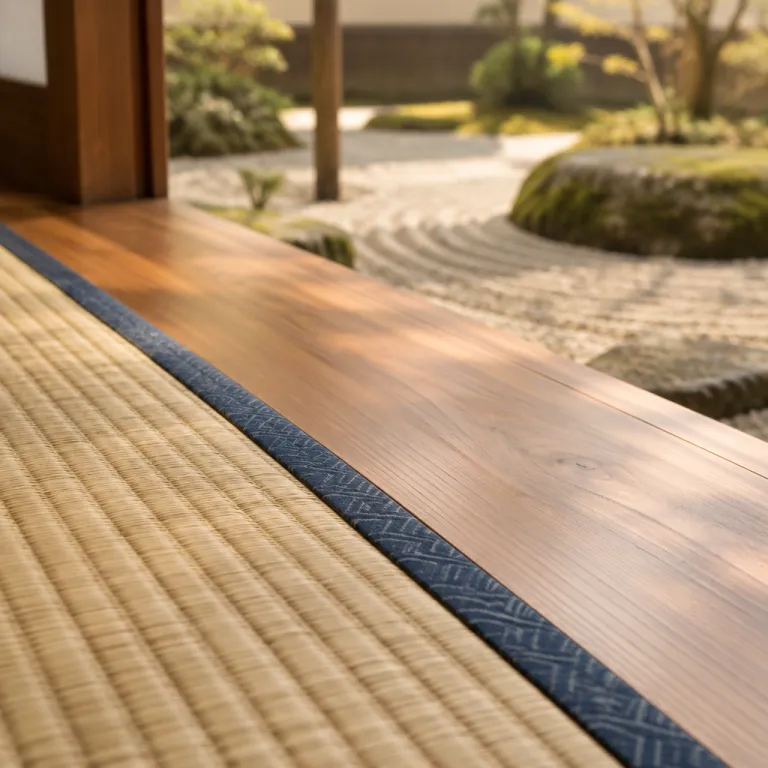
Choosing where to stay in Kyoto for your first time
Kyoto rewards thoughtful planning, especially when you book your first stay. For many newcomers, the right neighbourhood quietly shapes every temple visit, every train ride, and every late night walk back to the hotel. When you design your own Kyoto itinerary, think about how much time you want to spend in historic districts, how close you prefer to be to public transport, and how sensitive you are to crowds.
For a first trip focused on classic temples, shrines, and lantern lit streets, staying near Gion or Higashiyama keeps you close to the best evening atmosphere. This area lets you walk to Kiyomizu dera, Yasaka Shrine, and several smaller temples in under thirty minutes, which saves time visitors usually lose in transfers across the city. If you stay on the central Kyoto side near Shijō or Sanjō stations, you gain easier access to trains for a day trip to Osaka while still reaching Gion on foot in the evening.
Travellers who prioritise convenience over old town charm often choose Kyoto Station or the business district around Karasuma. From here, you can board JR and private rail lines, reach the Arashiyama bamboo grove in about thirty minutes, and connect quickly to buses for the golden pavilion and northern temples. Solo travellers planning where to stay in Kyoto, Japan for the first time can use this detailed guide on the best area and hotel for solo travel in Kyoto to match neighbourhoods with their preferred pace and budget.
Designing a realistic Kyoto itinerary for two to four days
Thoughtful Kyoto travel tips for first timers always start with pacing your days. Many visitors try to see every temple in one short trip, but the city reveals itself slowly when you allow time for quiet streets, traditional tea, and unplanned corners. Aim for at least two full days in Kyoto for a first visit, with three or four days offering a more balanced rhythm between major sights and smaller neighbourhood walks.
On your first day, focus on eastern Kyoto, Japan where many of the most famous temples shrines cluster along the hills. Begin in the early morning at Kiyomizu dera to enjoy the wooden terrace before the largest crowds arrive, then follow the stone lanes of Sannenzaka and Ninenzaka down toward Gion. Along the way, pause at smaller temples and traditional tea houses, and allow enough time to sit quietly rather than rushing from one photo stop to another.
Reserve your second day for a mix of the golden pavilion area and the Arashiyama bamboo district. Start at Kinkaku ji, often called the golden pavilion, then continue to nearby temples before crossing the city by train for the famous arashiyama bamboo grove. This structure keeps your Kyoto itinerary efficient, reduces backtracking across the city, and opens one view after another onto very different landscapes within a single day trip.
Essential Kyoto travel tips for first timers at major sights
Some of the most visited places in Kyoto, Japan can feel overwhelming without a clear plan. Fushimi Inari, the golden pavilion, and the arashiyama bamboo grove attract huge crowds, yet each rewards those who manage their time and expectations carefully. The most practical Kyoto travel tips for first timers focus on timing, route choices, and small etiquette details that shape your experience.
Arrive at Fushimi Inari in the early morning or after sunset to avoid the densest crowds on the lower paths. If you have the energy, continue beyond the first cluster of red gates, where the trail grows quieter and the city gradually falls away behind you. Many first time visitors stop at the early viewpoints, but walking higher reveals layered glimpses of Kyoto framed by torii gates and forest.
In Arashiyama, the bamboo grove is most atmospheric before nine o’clock, when the light filters softly through the tall bamboo and the paths remain almost silent. Combine the grove with nearby temples shrines such as Tenryū ji and smaller riverside walks to turn a short stop into a full day trip. Families planning things Kyoto can offer younger travellers will find that the riverside park, monkey park, and easy train access make Arashiyama one of the best areas for a relaxed, kid friendly itinerary, and this dedicated guide to family friendly activities in Kyoto helps structure those days.
Navigating Kyoto’s public transport and day trips with ease
Understanding public transport in Kyoto, Japan transforms a confusing map into a simple, reliable network. The city combines JR trains, private railways, subways, and buses, and first time visitors often underestimate how long transfers between temples can take. When you plan your Kyoto itinerary, group sights by area and use trains whenever possible, reserving buses for shorter hops or less connected districts.
For a classic day trip, Osaka sits less than thirty minutes away by rapid train from Kyoto Station, making it an easy contrast to Kyoto’s quieter streets. You can spend the day exploring Osaka’s neon districts, then return to your Kyoto base in the evening without changing hotels. Other popular day trip options include Nara for its great temples shrines and friendly deer, or Uji for riverside walks and refined traditional tea culture.
Within the city, prepaid IC cards such as ICOCA simplify transfers between train lines and buses, especially when you are juggling luggage and temple opening times. Use Google Maps or local apps to check last train times, since some lines end earlier than visitors expect, particularly after a late tea ceremony or dinner in Gion. When you choose a hotel, verify walking distances to the nearest station, because saving ten minutes each way quickly returns an extra hour of free time every day.
Food, tea, and evening experiences near your Kyoto hotel
Evenings in Kyoto, Japan feel very different depending on where you stay and how you plan your meals. Around Gion and Ponto chō, narrow alleys glow softly, and first time visitors can pair a kaiseki dinner with a stroll past wooden townhouses and quiet temples. Near Kyoto Station, the atmosphere is more urban, with department store food halls, ramen streets, and late night izakaya that suit travellers returning from a long day trip.
For many travellers, a traditional tea ceremony becomes a highlight of their trip, especially when combined with a walk through historic streets. You can book a tea ceremony in Gion, near Kiyomizu dera, or in less crowded neighbourhoods, and each setting offers a slightly different view of Japanese hospitality. Choose sessions that limit group size, explain the meaning of each gesture, and allow time for questions, since this deeper context turns a simple drink into a memorable cultural exchange.
Casual food experiences also shape your sense of the city, from skewers at Nishiki Market to late night noodles near your Kyoto address. Nishiki Market works best in the late morning or early afternoon, when stalls are open but the tight lanes have not yet reached peak crowds. When you select a hotel, consider whether you prefer to be steps from these markets and restaurants, or whether you value quieter residential streets where only the occasional bar or tea house stays open late.
Aligning your Kyoto hotel with onsen, baths, and quiet moments
Choosing a hotel in Kyoto, Japan is not only about price and distance to the nearest temple. For many first time visitors, access to an onsen style bath or spacious public bath area becomes a daily ritual that restores energy after long walks between temples shrines. Properties with in house baths or easy access to nearby sentō allow you to soak in hot water, reflect on the day, and plan the next morning’s route through the city.
If bathing culture matters to you, prioritise hotels that highlight their wellness facilities and room layouts. Some stays offer in room wooden tubs with views over small gardens, while others provide larger communal baths separated by gender, often with both indoor and open air pools. To understand how to match your preferences with specific properties, this specialised guide on choosing a Kyoto hotel around your onsen and public bath experience explains what to expect, how to use the facilities, and which etiquette points matter most.
Quiet time in your room can be as valuable as another rushed temple visit, especially on longer trips. When you review options for where to stay in central Kyoto, look for rooms with natural light, simple Japanese design elements, and enough space to lay out maps while you refine your Kyoto itinerary. A well chosen base creates calm pauses in your schedule, giving you room to breathe between early morning walks through bamboo and late night returns from Gion.
Balancing crowds, seasons, and expectations on your Kyoto trip
Every trip to Kyoto, Japan involves some negotiation with crowds, especially at the most famous temples shrines. The key is not to chase empty streets everywhere, but to understand when and where the city feels most generous to first time visitors. Early morning and late evening often provide the best balance between atmosphere and space, particularly in Gion, Arashiyama, and around Kiyomizu dera.
Plan one or two major sights for each day, then fill the remaining time with smaller temples, neighbourhood walks, and quiet tea stops. This approach keeps your energy steady, reduces frustration, and allows you to appreciate details such as moss gardens, bamboo fences, and the sound of temple bells. When you accept that you will share certain viewpoints with many others, you free yourself to enjoy the moments when a side alley or small bamboo grove suddenly feels like it belongs only to you.
Kyoto travel tips for first timers often emphasise checklists, but the most rewarding stays come from aligning your expectations with the city’s natural rhythm. Use public transport to move efficiently, yet leave gaps in your schedule for unplanned cafés, traditional tea houses, or a second visit to a place that moved you. Over several days Kyoto gradually reveals layers beyond the postcard scenes, and your carefully chosen hotel becomes the quiet centre from which each new day opens a fresh perspective onto a deeper Kyoto.
Key figures for planning time and budget in Kyoto
- According to the Japan National Tourism Organization, Kyoto welcomed over 53 million domestic and international visitors in a recent pre pandemic year (2019), which explains why major temples like Fushimi Inari and Kiyomizu dera experience heavy crowds during peak seasons.1
- Data from the Kyoto City Tourism Association shows that the average stay length in the city is around 2.4 nights, yet travellers who stay three to four nights report higher satisfaction scores, because they can spread visits to temples shrines across more days.2
- JR West timetables indicate that the train journey between Kyoto and Osaka can take as little as 28 minutes on a rapid service, making Osaka one of the most practical day trip options from Kyoto for first time visitors.3
- Surveys by the Kyoto City Tourism Association highlight that over 60 percent of international visitors use public transport as their main way to move around the city, underlining the importance of choosing accommodation near a reliable train or subway station.2
- Entrance fees for major temples such as Kinkaku ji, Ginkaku ji, and Kiyomizu dera typically range between 400 and 600 yen, so travellers who plan to visit multiple temples shrines per day should allocate at least 2 000 yen daily for cultural sites alone (figures current to 2024, but always confirm before travel).4
1 Visitor volume based on pre pandemic tourism statistics for Kyoto (2019), available via the Japan National Tourism Organization.
2 Average stay length and transport usage drawn from Kyoto City Tourism Association survey summaries available as of 2023.
3 Sample journey time taken from JR West rapid service schedules between Kyoto and Osaka, checked in 2024.
4 Typical admission prices compiled from official temple information boards and tourism materials reviewed in 2024.
FAQ about Kyoto travel tips for first timers
How many days should a first time visitor spend in Kyoto ?
First time visitors should plan at least two full days in Kyoto to see key sights such as Fushimi Inari, Kiyomizu dera, and the golden pavilion. Three or four nights allow a calmer pace, time for a day trip to Osaka or Nara, and more flexibility to avoid peak crowds. With this duration, you can balance major temples shrines with quieter neighbourhood walks and tea stops.
Which area is best to stay in for a first trip to Kyoto ?
For classic scenery and easy access to temples, Gion and Higashiyama work well, especially if you want to walk to Kiyomizu dera and evening streets. Travellers who prioritise transport connections often choose Kyoto Station or Karasuma, where multiple train lines and buses intersect. Your choice should reflect whether you value historic atmosphere, shopping and dining, or fast access to day trip destinations.
How can I avoid the biggest crowds at Kyoto’s famous temples ?
Visit major sites such as Fushimi Inari, the arashiyama bamboo grove, and the golden pavilion in the early morning or late afternoon. Group nearby temples shrines into the same day to reduce time lost in transit and to reach them at less popular hours. Staying close to your chosen area also helps you arrive earlier than visitors who must cross the city first.
Is Kyoto easy to explore using public transport ?
Kyoto’s public transport network combines JR trains, private railways, subways, and buses, and it is generally reliable and safe. Trains work best for longer distances and day trip routes, while buses cover many temples not served directly by rail. Using a prepaid IC card and staying near a major station simplifies navigation, especially for first time visitors.
What should I look for when choosing a Kyoto hotel with baths or onsen style facilities ?
Check whether the property offers communal public baths, in room soaking tubs, or access to nearby sentō, and read descriptions carefully to understand size and opening hours. If bathing is important to you, prioritise hotels that clearly explain their facilities and etiquette, including tattoo policies and gender separation. Location still matters, so balance wellness features with proximity to the train lines and districts you plan to visit most often.