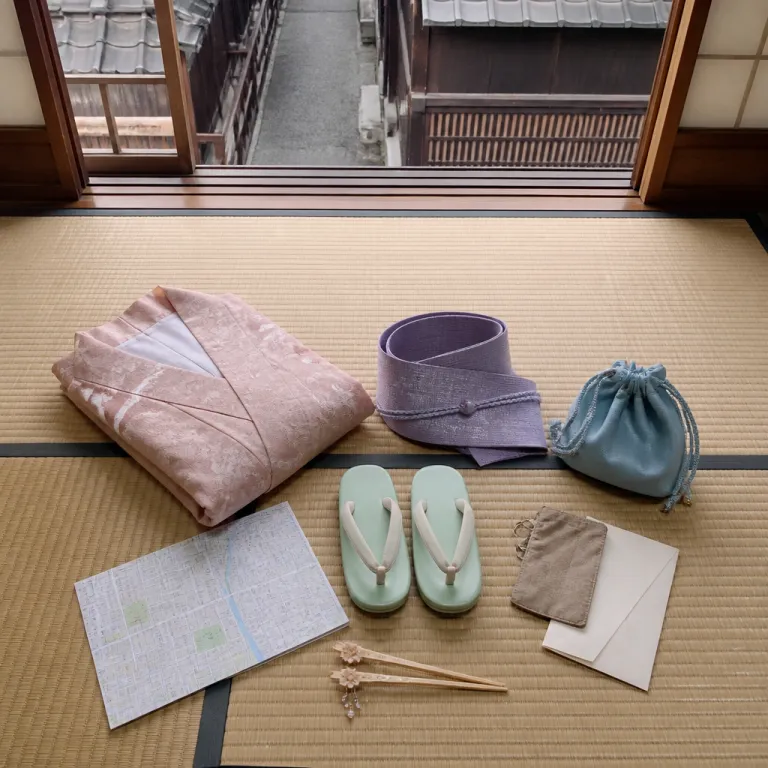
Why kimono rental in Kyoto Gion pairs perfectly with your hotel stay
Staying in Kyoto near Gion gives you rare proximity to living tradition. Choosing kimono rental in Kyoto Gion turns an ordinary hotel night into an authentic Kyoto story, especially when you step out of the lobby already dressed for the streets of Higashiyama Kyoto. Many travellers now plan their rental kimono fitting for the same day as check in, so they can enjoy a seamless kimono experience from the moment they arrive.
Within a short minute walk of many Gion hotels, you will find at least one dedicated kimono rental store that caters to international guests with English support and clear rental plans. These kimono rentals typically include a full set of Kyoto kimono or lighter kimono yukata, dressing by trained staff, and secure storage for your everyday clothes while you explore. Because Gion is compact, you can rent kimono in the morning, stroll to Yasaka Shrine, continue through Higashiyama Kyoto, and return to your hotel for a rest before an evening tea ceremony or kaiseki dinner.
For guests arriving via Kyoto Station, it can be tempting to use a rental Kyoto service inside or near the station itself. However, choosing a gion store for your kimono gion outing means less time commuting in formal wear and more time for relaxed sightseeing and photo moments around your chosen hotel. When you book your room, check whether the concierge partners with any store kimono services, as some hotels can pre book a rental plan and secure priority dressing times for their guests.
How to choose the right kimono rental store near your hotel
The first decision is whether you prefer a traditional kimono or a breezier yukata, which is a lighter cotton garment often chosen for warmer days. Many visitors staying in central Kyoto compare several kimono rental plans online, then ask their hotel to confirm which shop is easiest to reach on foot from Gion or from Kyoto Station. When you evaluate each shop, look for clear information about the rental plan duration, late return fees, and whether hair styling or simple tea ceremony experiences can be added.
Reputable kimono rental shops in Gion usually publish transparent data about the average rental price and what each package includes. According to local operators such as Yumeyakata and Kyoto Kimono Rental Wargo, “Prices range from ¥3,000 to ¥10,000, depending on the package,” based on their publicly listed plans as of 2024. This range typically reflects whether you choose standard kimonos, premium Kyoto kimono fabrics, or combined rental plans that include professional photo sessions and extended time for evening walks.
Some travellers appreciate specialist brands such as Yumeyakata, which operates as a dedicated kimono rentals provider with several rental Kyoto locations accessible by bus or a short minute walk from major streets. Whether you select Yumeyakata, Kyoto Kimono Rental Wargo, or a smaller gion store, prioritise a shop that offers multilingual support and clear instructions about where you may go during your kimono experience. Ask your hotel concierge which store kimono partners they trust, and whether they can help you book a specific rental plan that matches your sightseeing schedule and preferred level of formality.
Planning your kimono experience around Gion, Yasaka Shrine, and Higashiyama
Thoughtful timing transforms renting kimono from a rushed errand into a highlight of your Kyoto stay. Most guests book their kimono rental in Kyoto Gion for early morning, allowing quiet streets, softer light, and more relaxed time before crowds arrive at Yasaka Shrine. If your hotel is within a ten to fifteen minute walk of the gion store, you can change, step outside, and be in front of a temple gate before many tour buses appear.
A classic route begins at a rental kimono shop near Shijō Street, continues through Yasaka Shrine, and then winds south into the stone lanes of Higashiyama Kyoto. Along this path, you will find countless spots for a memorable photo, from vermilion shrine gates to wooden machiya facades and discreet tea houses. Many hotels now suggest specific rental plans that align with this loop, giving you enough time to enjoy a slow tea break, browse a craft shop, and still return your kimono or yukata before the agreed hour.
If you wish to add a tea ceremony, ask your hotel to help you book a session that fits between your kimono experience and dinner reservations. Some tea venues in Gion offer packages that welcome guests already dressed in kimonos, which enhances both the visual and cultural impact of the ritual. When you rent kimono, confirm with the store whether your chosen plan allows evening returns, as this flexibility can be invaluable if you decide to stay out longer for blue hour photography or a final stroll back to your hotel.
Coordinating hotel logistics, Kyoto Station access, and rental Kyoto timings
Arriving in Kyoto with luggage, check in times, and sightseeing ambitions can feel complex. One practical strategy is to travel from Kyoto Station directly to your hotel, leave your bags with reception, and then walk to a nearby kimono rental store once you are free to enjoy the day. This approach keeps your hands light while you choose between Kyoto kimono styles, compare rental plans, and decide whether a kimono yukata set suits the weather.
Hotels near Gion and Higashiyama Kyoto often maintain updated lists of trusted kimono rentals, including estimated walking times and public transport options from Kyoto Station. Some properties even collaborate with a specific gion store, arranging shuttle services or clear minute walk directions printed on a small map for guests. If you are staying closer to Kyoto Station itself, you might prefer a rental Kyoto shop in that district, then take a short train or taxi ride to Gion for your main kimono gion photos and tea stops.
Time management matters because most rental kimono agreements specify a fixed return hour, usually late afternoon or early evening. When you book your room, ask whether early check in or late luggage collection is possible, so you can maximise your kimono experience without worrying about hotel deadlines. Align your rental plan with your train schedule at Kyoto Station, leaving enough time to change back into travel clothes, collect your bags, and still enjoy a final tea or snack before departure.
Maximising comfort, etiquette, and photo opportunities in kimonos
Traditional kimono garments are structured, layered, and surprisingly secure once fitted correctly. Before you rent kimono, wear light, comfortable undergarments and socks, as most kimono rental in Kyoto Gion packages include tabi socks and sandals but not base layers. Staff in each store kimono counter will guide you through the dressing process, ensuring that both kimono and yukata options sit correctly on your shoulders and remain comfortable for a full day.
While walking from your hotel through Gion, remember that these streets are residential as well as touristic. Move slowly in your Kyoto kimono, keep to the side of narrow lanes, and avoid blocking entrances when you pause for a photo near a tea house or lantern. Many rental plans now include simple etiquette cards in several languages, reflecting guidance from the Kyoto City Tourism Association as of 2024, reminding guests not to touch private doors, not to chase geiko or maiko for a photo, and to respect quiet zones around shrines.
For photography, soft morning or late afternoon light flatters both kimonos and the wooden textures of Higashiyama Kyoto. Ask your hotel concierge to suggest less crowded alleys or viewpoints where you can enjoy a calm kimono experience without constant foot traffic. If you prefer a more structured photo session, some kimono rentals collaborate with professional photographers who meet you at Yasaka Shrine or another landmark, and your rental plan may offer a discounted photo package when you book in advance.
Tailored rental plans for couples, families, and solo travellers
Different travellers use kimono rental in Kyoto Gion in very different ways. Couples often choose coordinated rental plans, selecting complementary Kyoto kimono colours that photograph well against the vermilion of Yasaka Shrine or the stone of nearby pagodas. Families staying in larger hotels may ask the concierge to book several kimonos and yukata sets together, ensuring that dressing times are aligned so nobody waits too long in the store.
Solo guests sometimes prefer a quieter kimono experience, focusing on slow sightseeing, a reflective tea ceremony, and unhurried time in temple gardens. For them, a compact rental kimono package with a shorter duration and fewer accessories can be ideal, especially if their hotel is only a few minute walk from the gion store. On the other hand, groups of friends might opt for more elaborate rental plans that include hair styling, extra photo stops, and perhaps a visit to a place like Yumeyakata, which is known for handling multiple kimonos efficiently.
Whatever your profile, discuss your plans with both your hotel and the kimono rentals provider before you book. Explain whether you intend to travel as far as Kyoto Station, stay mainly around Higashiyama Kyoto, or focus on intimate tea houses close to your accommodation. Clear communication helps the store kimono staff recommend the right rental plan, from simple kimono yukata sets for a half day to more formal Kyoto kimono ensembles suitable for special dinners or private cultural events.
Key figures to know before you rent kimono in Gion
- Average kimono rental prices in Gion range from about ¥3,000 to ¥10,000 per person, reflecting differences in fabric quality, accessories, and whether your rental plan includes hair styling or photo services, according to aggregated data from several local shop websites such as Yumeyakata and Kyoto Kimono Rental Wargo reviewed in 2024.
- There are roughly 10 dedicated kimono rental shops operating in the Gion district, based on counts from major booking platforms and local tourism maps checked in 2024, which means most hotels in the area are within a 5 to 15 minute walk of at least one gion store that offers Kyoto kimono fittings.
- Many kimono rentals operate year round, but peak demand coincides with cherry blossom and autumn foliage seasons, when advance reservations become essential for securing preferred time slots and specific kimonos or yukata designs, as noted by the Kyoto City Tourism Association.
- Standard rental Kyoto packages usually allow guests to keep their rental kimono for between 4 and 8 hours, which is sufficient for a full sightseeing loop from Gion to Yasaka Shrine, through Higashiyama Kyoto, and back to the hotel, according to typical plans published by major providers.
- Professional dressing services in each store kimono counter typically take 20 to 40 minutes per person, so couples and families should factor this time into their overall day plan when coordinating with hotel check in or train departures from Kyoto Station, based on average times listed by local shops.
FAQ about kimono rental in Kyoto Gion for hotel guests
How much does kimono rental cost in Gion near major hotels ?
Most kimono rental shops close to Gion hotels charge between ¥3,000 and ¥10,000 per person, depending on whether you choose a simple yukata, a more formal Kyoto kimono, or a package that includes hair styling and photo services. Higher priced rental plans often feature premium fabrics, extra accessories, and longer rental time. Ask your hotel concierge which nearby gion store offers the best value for your preferred style and budget.
Do rental shops provide hair styling and accessories ?
Many kimono rentals in Kyoto Gion offer optional hair styling, decorative hairpins, and small bags that match your kimono or yukata. These services are usually priced as add ons to the basic rental plan, so you can decide how elaborate you wish your look to be. When you book, confirm the total cost and extra time required for styling, especially if you have dinner reservations or a tea ceremony scheduled.
Is reservation required for kimono rental when staying in Gion ?
Walk in customers are sometimes accepted, but reservations are strongly recommended, particularly during cherry blossom and autumn foliage seasons. Booking ahead allows you to secure your preferred dressing time, coordinate with hotel check in, and choose from a wider range of kimonos and yukata designs. Many shops now offer online booking systems, and your hotel can often assist if you prefer to reserve through the concierge.
Can I attend a tea ceremony or visit Yasaka Shrine in a rental kimono ?
Tea houses and shrines in Kyoto welcome respectful visitors wearing rental kimono, and many guests feel that a Kyoto kimono enhances the atmosphere of a traditional tea ceremony. From most Gion hotels, Yasaka Shrine is only a short minute walk, making it an easy destination while dressed in kimonos or yukata. Just ensure your rental plan allows enough time for the ceremony and the walk back to the gion store before closing.
What should I wear under a rental kimono for comfort during sightseeing ?
Light, breathable undergarments without bulky seams work best beneath both kimono and yukata, especially if you plan a full day of sightseeing from Gion to Higashiyama Kyoto. Many shops provide specific under layers, but they still recommend that guests wear comfortable base clothing and socks when they arrive. Your hotel can advise on seasonal temperatures so you can plan your outfit and choose between a lighter kimono yukata set or a more layered Kyoto kimono ensemble.
References
- Kyoto City Tourism Association, official visitor statistics and cultural guidance for Gion and Higashiyama districts (accessed 2024).
- Japan National Tourism Organization (JNTO), practical information on traditional clothing experiences and etiquette (accessed 2024).
- Local Gion kimono rental shop websites, published package details and average price ranges for Kyoto kimono services, including Yumeyakata and Kyoto Kimono Rental Wargo (reviewed 2024).