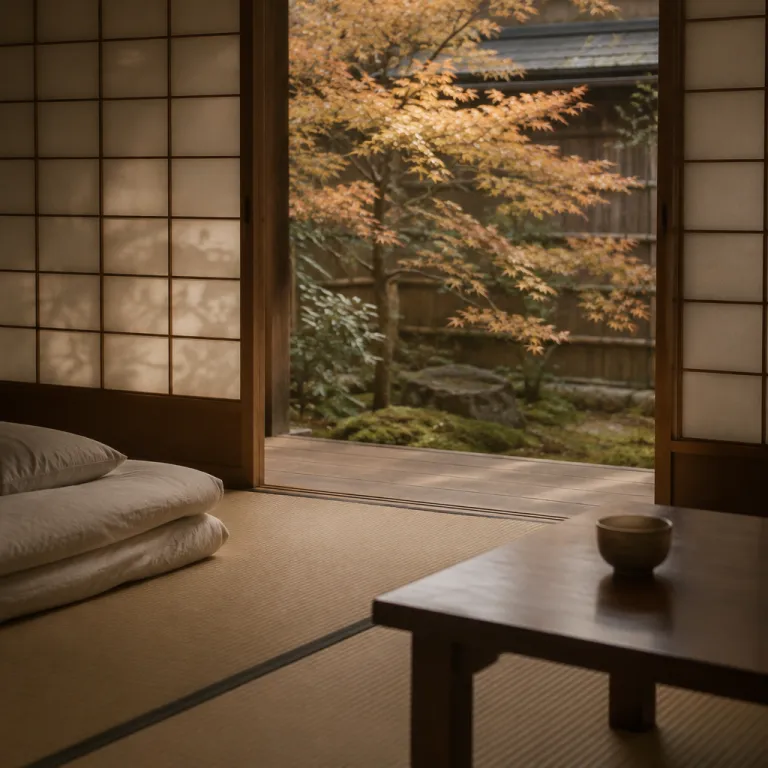
Reading Kyoto’s autumn maples: timing, peak color and where to sleep
Kyoto autumn foliage hotels are not a list so much as a calendar. Your Kyoto autumn base should follow the color front as it moves from the northern hills in early November to central Kyoto and Uji or Nara by early December, because the right hotel turns each day into a quiet walk rather than a crowded commute. Think of the trip as a slow sweep of autumn colors across Japan, with your rooms chosen to keep you close to the most vivid foliage spots at every stage.
For a first visit focused on Kyoto fall scenery, the second half of November is still the classic window, when the eastern temple district around Higashiyama, Kiyomizu-dera and Eikandō glows with peak autumn leaves. In a typical year, maples in central Kyoto reach their best color between about 20 and 30 November, yet some seasons see strong reds into the first week of December. Late November is when Kyoto autumn usually feels like a living postcard, yet this year central Kyoto, Uji and nearby Nara are expected to hold strong color into early December, which makes an early December stay near Kyoto Station or the imperial palace gardens unusually attractive. If your travel dates are fixed for early or mid November, consider shifting your Kyoto hotel choice north toward Ōhara or Kibune, where the air cools sooner and the fall foliage often ignites several days ahead of the city.
Matching your stay to the foliage curve matters more than chasing every popular attraction in one rushed day. A Kyoto autumn trip built around two or three carefully chosen neighborhoods will feel richer than a checklist of ten temple visits, because you will experience the same maple-lined lanes at dawn, in late afternoon and under lantern light. Use a planning resource focused on Kyoto hotels around autumn foliage season dates and areas to align your nights with the most reliable autumn foliage rather than with arbitrary weekend slots.
Higashiyama and southern Kyoto: walking to the temples before the tour buses
If your Kyoto autumn dates fall between mid November and late November, base yourself in Higashiyama or just south of Kyoto Station and let your feet do the work. From a small Kyoto hotel near Gojō or Shichijō, you can reach Tōfuku-ji, Kiyomizu-dera and the narrow lanes of Ninenzaka in under thirty minutes on foot, which means you stand under the temple gates while the autumn foliage is still beaded with morning mist. This is when well-chosen Kyoto autumn lodgings show their value, not in marble lobbies but in the way they shorten the distance between your pillow and the first maple tree.
Look for traditional Japanese-style inns or contemporary properties with a few private rooms facing inner courtyards, because quiet matters when you are waking before sunrise to chase autumn colors. In Higashiyama, many small Kyoto hotel options sit on side streets just off the main tourist routes, so you can slip out at dawn toward Kiyomizu-dera, then retreat again once the day crowds swell around the popular attractions. The best Kyoto fall bases here are close enough to walk to the temple district yet far enough from the main bus lines that late-night noise does not follow you back.
Evening illuminations change the rhythm of the trip, especially around Eikandō and the southern dera temple complexes, where the maples glow crimson against dark tile roofs. On peak nights, it can take twenty minutes or more to find a taxi, so choose a hotel in eastern Kyoto that lets you stroll to these events, linger under the autumn leaves reflected in garden ponds, then return to your rooms without fighting for rides in late November traffic. When you wake the next day, you will feel the city’s quiet side again, stepping out into narrow lanes where the only sound is a broom on stone and the soft rustle of foliage overhead.
Central Kyoto and Kyoto Station: late color, easy trains and winter edges
When your Kyoto autumn trip falls in the first or second week of December, central Kyoto becomes the smart, almost underrated base. The gardens around the imperial palace, the canal paths near Demachiyanagi and the temple clusters west of the Kamogawa River often hold autumn foliage well into early December, so a Kyoto hotel stay here lets you walk to lingering autumn leaves in the morning and ride quick trains to Uji or Nara in the afternoon. Well-located Kyoto autumn accommodations in this zone are less about postcard views and more about efficient access to both late-season foliage spots and onward winter travel.
Staying near Kyoto Station gives you fast rail links for day trips to Uji and Nara, where temple complexes such as Byōdō-in and Tōdai-ji sit in parks that stay colorful into early December. From Kyoto Station, local trains reach Uji in about twenty-five minutes and Nara in roughly forty-five, which makes it easy to fit in a full day of temple walks without rushing. A central Kyoto hotel with simple, well-insulated rooms will feel right when the air turns sharp, and you can still reach Higashiyama or a dera temple cluster in under twenty minutes by train or bus for one last look at the autumn colors. If your itinerary extends toward the colder months, consult a guide on Kyoto Japan winter travel and serene hotel choices so your December nights feel as considered as your foliage-chasing days.
Central Kyoto also works well if you value food as much as foliage, because the area between Karasuma and Kawaramachi concentrates izakaya, ramen counters and Japanese-style cafés that stay open late. After a day of temple walks and fall foliage viewing, you can slip into a counter seat for grilled fish or sukiyaki, then stroll back to your rooms under a canopy of the last autumn leaves. Kyoto autumn in this district feels less like a pilgrimage and more like a lived-in city break, where the peak color is a backdrop to everyday Japanese life rather than a spectacle you cross half the country to see.
Quieter bases: Ohara, northern hills and food led stays
Not everyone wants to sleep in the thick of Kyoto’s autumn crowds, and the northern valleys offer a different rhythm. Ōhara, reached in under an hour by bus from central Kyoto, often sees autumn foliage a week or more early, so a stay here in early or mid November can mean quieter paths and temple gardens brushed with fresh color. Kyoto autumn foliage stays in this area tend to be traditional Japanese inns with tatami rooms, shared baths and views of vegetable fields or cedar-covered hills.
From Ōhara you can spend the day wandering between Sanzen-in and Jakkō-in, watching the autumn colors shift as the light moves across moss gardens and stone steps. The experience is less about ticking off popular attractions and more about settling into a slower Japan, where the second half of the afternoon might be given over to a long soak and a simple kaiseki dinner. If you prefer to keep a city base but still want a strong food focus, consider central properties highlighted in guides to Kyoto hotels for sukiyaki, sushi and Japanese buffet lovers, then use early morning trains to reach quieter foliage spots.
Wherever you stay, remember that Kyoto autumn is defined by small choices rather than grand gestures. A Kyoto hotel room with a window that catches first light on a nearby temple roof can matter more than a larger suite facing a busy avenue, because it shapes how you step into each day of the trip. In the end, what stays with you is not the star rating but the morning light on the tatami, the sound of a broom in the courtyard and the red of the maples as you walk back from the gate.
FAQ
When is the best time to book a hotel in Kyoto for autumn foliage ?
For Kyoto autumn foliage, aim to secure your hotel three to six months ahead, especially if you want Higashiyama or central Kyoto during late November. Peak color around the main temple districts often coincides with domestic holidays, so the most desirable Kyoto autumn hotels in walkable areas sell out quickly. If you are targeting early December for central Kyoto or Uji and Nara, you may find slightly more availability, but prices still rise as the dates approach.
Which Kyoto neighborhood is best for first time visitors during the fall ?
Higashiyama suits first time visitors whose priority is walking to major temple attractions like Kiyomizu-dera at dawn. Central Kyoto around Karasuma or Kyoto Station works better if you want easier rail access for day trips and a wider range of Kyoto hotel options at different price points. Both areas offer strong access to autumn leaves, so choose based on whether you value quiet temple walks or transport convenience more.
Is it worth staying near Kyoto Station for autumn colors ?
Staying near Kyoto Station is a smart choice if your trip includes Uji or Nara or if your dates fall in early December, when central Kyoto foliage often lingers. You trade immediate proximity to eastern temple lanes for fast trains and buses, which can make a short stay more efficient. For many travelers, this balance of late-season autumn foliage access and easy arrival and departure outweighs the lack of old town atmosphere.
How many days should I spend in Kyoto during the autumn season ?
Plan at least three full days in Kyoto autumn to experience both the eastern temple district and central Kyoto without rushing. With four or five days, you can add a quieter excursion to Ōhara or a day trip to Uji or Nara, which shows a different side of Japanese fall foliage. More time also lets you revisit favorite foliage spots at different times of day, which often becomes the most memorable part of the trip.
Are private rooms in traditional Japanese inns suitable for first time visitors ?
Private rooms in traditional Japanese inns are well suited to first time visitors who want an immersive yet comfortable experience. You sleep on futons over tatami, often bathe in shared but well maintained baths and eat seasonal Japanese meals that reflect the autumn colors outside. If you prefer more familiar hotel layouts, consider splitting the stay between a modern property in central Kyoto and one or two nights in a traditional Japanese inn in Higashiyama or Ōhara.