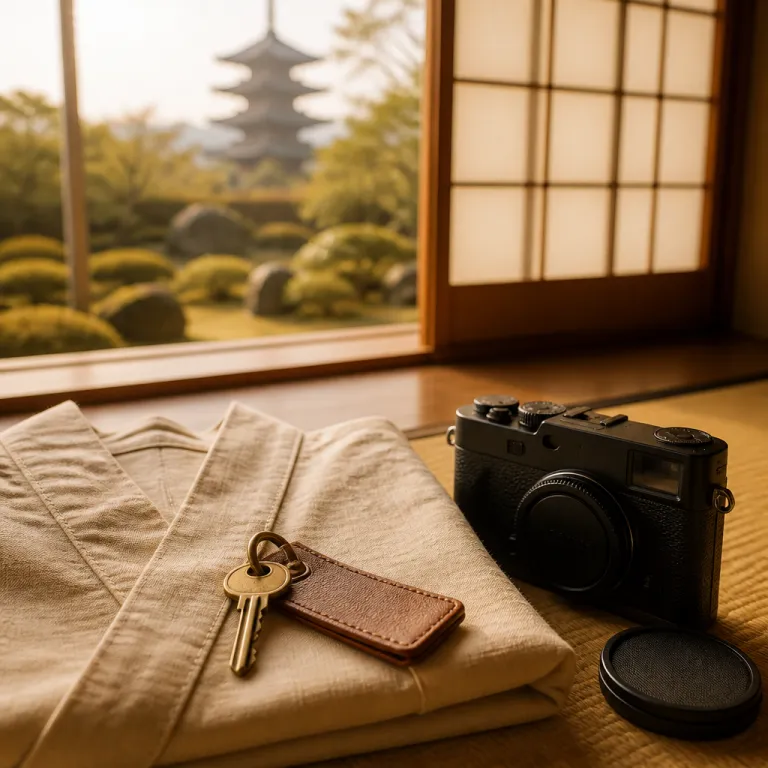
Kyoto photography spots near where you stay
Choosing a hotel in Kyoto, Japan is easier when you think like a photographer. Many of the most rewarding Kyoto photo locations sit along the city’s main transport lines, so your base will shape how much shooting time you actually enjoy. If you plan your stay around access to a temple, a shrine, or a bamboo forest, every early morning walk from the lobby becomes a potential Kyoto photo session.
For first time visitors, staying near Kyoto Station offers fast trains and buses to almost every major photo location in the city. From Kyoto Station you reach Fushimi Inari, Arashiyama Bamboo Grove, Kiyomizu dera Temple, and the Higashiyama District without complex transfers, which means more photos and less time spent reading timetables. Typical journeys are short: Kyoto Station to Fushimi Inari takes about 5 minutes on the JR Nara Line, and to Arashiyama around 15–20 minutes by JR or Hankyu lines. Hotels around Kyoto Station also help if you carry heavy photography gear, because you can return quickly between shoots to swap lenses or charge batteries.
Travellers focused on atmospheric night photography might prefer a hotel in the Gion District or nearby Yasaka Pagoda area. These streets place you inside some of the best Kyoto photography spots for lantern lit alleys, wooden machiya townhouses, and quiet shrines once the crowds thin. When your room sits five minutes from a shrine or temple, you can step out for a spontaneous Kyoto photo whenever the light or weather shifts, instead of committing to a long ride across the city.
Fushimi Inari and southern Kyoto: torii gates before the crowds
Staying on the south side of Kyoto, Japan positions you close to Fushimi Inari Taisha and its famous torii gates. This shrine is one of the most iconic Kyoto photography spots, yet the experience changes completely depending on the time you arrive and how quickly you can walk there from your hotel. If you want the best photo of the vermilion tunnel without people, you must treat early morning access as a core part of your travel planning.
Hotels near the JR Nara Line or Keihan Line shorten the journey from Kyoto Station to Fushimi Inari, which means you can reach the shrine before sunrise. From Kyoto Station, JR Inari Station is one stop away, roughly 5 minutes by train, while Fushimi Inari Station on the Keihan Line sits about 10 minutes from central Kyoto. The best time for photography here is usually from first light until about 8:00, when the crowds begin to build and the torii gates fill with tour groups. With a nearby base you can climb higher up the mountain, where the photo spots become quieter and the city views of Kyoto, Japan appear between the trees.
Because Fushimi Inari is open twenty four hours, some photographers staying close by will even return at night for long exposure photos. The shrine paths, side temples, and fox statues take on a different mood after dark, giving you multiple photo locations from a single hotel choice. When you compare southern Kyoto hotels, check how quickly you can walk to the main entrance (many properties sit within 10–15 minutes on foot), and mark the route on your own GPS coordinates app before you book so you can navigate confidently in the pre dawn darkness.
Higashiyama, Kiyomizu dera and Yasaka Pagoda: classic streetscapes
The Higashiyama District is where many travellers first understand why Kyoto is called Japan’s cultural heart. Narrow lanes around Kiyomizu dera Temple and Yasaka Pagoda form some of the best Kyoto photography spots for traditional streets, especially when the cherry blossom season or autumn colours frame the tiled roofs. If your hotel sits within walking distance, you gain precious time at dawn and dusk when the city feels almost private.
From a photographer’s perspective, the best time to shoot Kiyomizu dera is early morning before tour buses arrive, or late afternoon when the low sun warms the wooden halls. Hotels on the eastern hills let you walk up before breakfast, capture wide photos of the city from the temple terrace, then return quickly to rest or change lenses. At night, the streets between Yasaka Pagoda and the Gion District become atmospheric photo spots, with lanterns, wooden façades, and occasional geiko or maiko passing through.
When you compare hotels in this part of Kyoto, Japan, study a map as carefully as you would study GPS coordinates for a landscape shoot. Some properties sit on quiet backstreets near the Philosopher Path, giving you fast access to riverside cherry blossom scenes and smaller temples. Others lie closer to Gion, where nightlife, restaurants, and evening photography in the Gion District may matter more than a silent lane. Expect walking times of 10–20 minutes between many of these Kyoto photography spots, which makes it realistic to revisit the same streets several times in one day as the light changes.
Arashiyama bamboo and the western hills: nature focused stays
Photographers who dream of the Arashiyama Bamboo Grove often underestimate how much the crowds affect their photos. The bamboo forest is one of the most visited Kyoto photography spots, so your hotel location directly influences whether you capture empty paths or only snapshots between tour groups. Staying in western Kyoto, near the Arashiyama Bamboo area, gives you the best chance to walk into the grove at first light.
The best time for photography in the bamboo grove is usually early morning on weekdays, when the soft light filters through the bamboo and the paths remain quiet. If your hotel is nearby, you can reach the bamboo forest in minutes, shoot your best photo while the air is still cool, then explore nearby temples and riverside scenes before returning for breakfast. Later in the day, these same photo spots become crowded, and your Kyoto photo work will shift toward tighter compositions and detail shots.
Western Kyoto hotels also place you close to Tenryu ji Temple, the Katsura River, and smaller shrines that offer calmer photo locations. From here you can travel back toward Kyoto Station by train in roughly 15–25 minutes, then continue to other parts of the city without losing much time. When you plan your travel days, mark the bamboo, river, and temple areas with GPS coordinates so you can move efficiently between them as the light changes and avoid wasting energy on unnecessary backtracking.
Gion district, Philosopher Path and urban Kyoto photo walks
Not every memorable photo in Kyoto, Japan comes from a major temple or shrine. Many of the best Kyoto photography spots hide in side streets of the Gion District, along the Philosopher Path, or near lesser known canals that cut through the city. Choosing a central hotel lets you treat these areas as your extended neighbourhood, ideal for spontaneous walks with a camera.
In the Gion District, early morning is again the best time to photograph wooden houses, stone lanes, and quiet shrines without tour groups. At night, the same streets transform into a different set of photo spots, with glowing lanterns and reflections on wet cobblestones after rain. Around the Philosopher Path, hotels near the canal give you front row access to cherry blossom scenes in spring and fiery foliage later in the year.
When you stay centrally, you can reach Kyoto Station quickly for day trips while still returning to Gion or Higashiyama District for blue hour photography. This flexibility matters if you want both urban Kyoto photo work and calmer scenes along the canal or in small temples. Mark your favourite alleys, bridges, and shrine entrances with GPS coordinates during your first walk, then revisit them at different times to see how the light reshapes the city and to refine your compositions with each pass.
Practical photography planning from your Kyoto hotel
Thoughtful planning turns a hotel stay in Kyoto, Japan into a focused photography retreat. Before you book, list the Kyoto photography spots that matter most, then group them by area around Kyoto Station, Fushimi Inari, Arashiyama Bamboo, Gion District, and Higashiyama District. This simple map will reveal whether one base or a split stay gives you the best time balance between travel and shooting.
Pack with the city’s variety in mind, because Kyoto offers more than one thousand six hundred temples and shrines, plus rivers, hills, and dense streets. According to the Kyoto City Tourism Association (figures around 2020), the city maintains roughly 1,600 registered temples, which explains why you encounter historic sites in almost every district. A wide angle lens helps inside the bamboo forest and under torii gates, while a short telephoto isolates details at a temple or shrine when crowds become heavy. Tripods are useful for low light photos, yet policies vary by temple, so remember that many major sites restrict tripods and flash inside buildings; it is advisable to check each temple’s posted rules or official information before setting up your gear.
Once you arrive, walk from your hotel to each nearby photo location at least once without your camera, noting travel time, crowds, and how the light falls. As a simple sunrise plan, you might leave a southern Kyoto hotel at 5:30, reach Fushimi Inari by first light, shoot one to two second exposures at ISO 100 with a tripod in the darker tunnels, then return for breakfast before most visitors arrive. Save your own GPS coordinates for favourite corners, then return during early morning or late afternoon when the city softens and the best photo opportunities appear. With this approach, your Kyoto hotel becomes more than a place to sleep, it becomes the quiet base for a carefully crafted Kyoto photo story.
Key figures for Kyoto photography focused stays
- Kyoto hosts around 1,600 temples and numerous shrines across the city, giving photographers an exceptional density of potential photo locations in a relatively compact urban area (Kyoto City Tourism Association, data referenced 2019–2021; see official Kyoto tourism statistics for current figures).
- Fushimi Inari Taisha welcomes approximately 2.7 million visitors each year, which explains why early morning is widely considered the best time to photograph its torii gates before the main crowds arrive (Kyoto City Tourism Association visitor statistics, circa 2018; confirm with the latest published data when planning).
- The central coordinates for Kyoto are roughly 35.0116° N and 135.7681° E, useful GPS coordinates when planning travel routes between Kyoto Station, Arashiyama Bamboo Grove, and the Higashiyama District.
- Seasonal variation is strong, with cherry blossom in spring, lush greenery in summer, and intense autumn foliage, so many photographers plan repeat visits to the same Kyoto photography spots to capture different seasonal moods.
FAQ about Kyoto photography spots and hotel choices
What is the best time to photograph Kyoto from my hotel base ?
Early mornings and late afternoons usually offer the best time for photography in Kyoto, because the light is softer and the crowds are lighter. If you stay near Kyoto Station, you can reach Fushimi Inari, Arashiyama Bamboo Grove, or Kiyomizu dera quickly at dawn. Guests in Gion District or Higashiyama District can simply step outside for atmospheric streetscapes at sunrise or sunset.
Where should I stay for easy access to Fushimi Inari and its torii gates ?
For Fushimi Inari, hotels near the JR Nara Line or Keihan Line provide the fastest access from Kyoto Station and other parts of the city. Some travellers choose small properties in southern Kyoto so they can walk to the shrine in the early morning darkness. This location makes it easier to photograph the torii gates and side temples before tour groups arrive.
Which area is best for cherry blossom photos near my hotel ?
For cherry blossom, staying near the Philosopher Path, Higashiyama District, or around Gion offers excellent access to riverside and temple scenes. These areas place you close to several Kyoto photography spots, including Yasaka Pagoda, Kiyomizu dera, and smaller shrines. A central base also lets you reach Maruyama Park and other famous cherry blossom photo locations on foot.
Can I photograph geisha in the Gion District while staying nearby ?
Guests in hotels around Gion District often hope to photograph geiko or maiko on their way to appointments. It is possible to take photos, but you should always keep a respectful distance, avoid blocking their path, and never use flash directly in their faces. Many photographers focus instead on the wider street scene, capturing lanterns, wooden houses, and the overall atmosphere.
Is it better to stay near Kyoto Station or in a historic district for photography ?
Staying near Kyoto Station is best if you want fast transport to many different Kyoto photography spots each day, including Arashiyama Bamboo, Fushimi Inari, and northern temples. Choosing a hotel in Gion District or Higashiyama District is better if you prefer to walk to classic streetscapes and shoot at dawn or late at night. Some travellers split their stay between both areas to balance convenience with atmosphere.
References
- Kyoto City Tourism Association, visitor statistics and temple counts (figures referenced 2018–2021; consult the association’s official statistical releases for the latest numbers)
- Japan National Tourism Organization, regional travel data for Kyoto (accessed 2023)
- Kyoto Prefecture Official Travel Guide, seasonal photography guidance for Kyoto (accessed 2022)