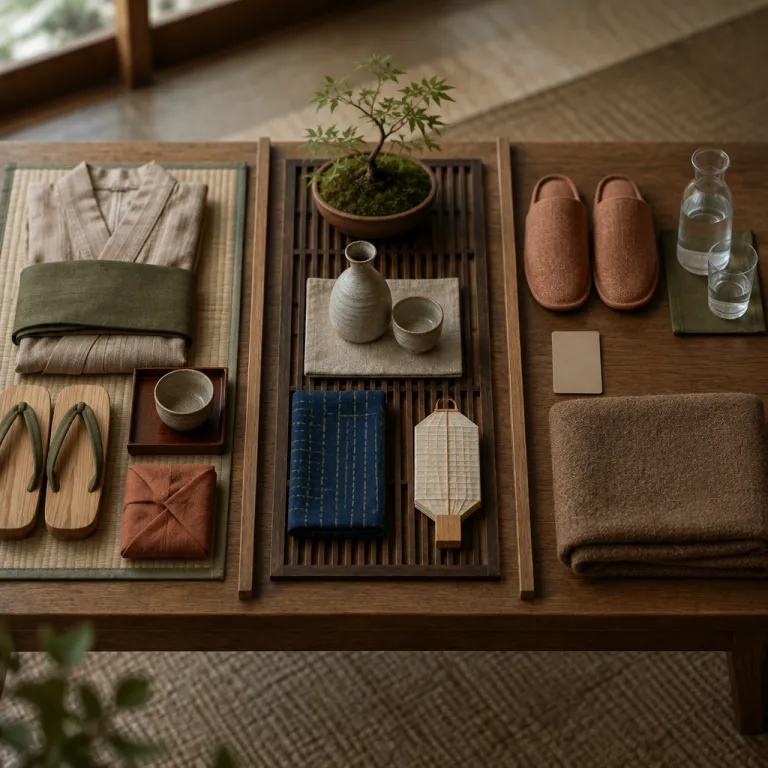
Choosing between ryokan, machiya and hotel in Kyoto
Kyoto at night feels very different depending on where you stay. The best ryokan in Kyoto turns the hours after sunset into a slow ritual, while a machiya townhouse or a design focused hotel in Kyoto shapes a freer, more urban rhythm. Before you book, decide whether your trip should revolve around the room itself or around the streets outside.
In Gion and southern Higashiyama, the choice is especially sharp because the neighbourhoods still move at a traditional Japanese pace. A Kyoto ryokan near a lantern lit lane offers tatami flooring, sliding shoji and staff who will quietly transform your room while you eat, whereas a machiya or mid range hotel Kyoto option lets you step straight out to ramen counters and late night bars. This is why any serious guide stay for Kyoto best areas insists that accommodation is not a backdrop but the frame for your entire trip.
Think of a classic ryokan Kyoto stay as theatre, with you as the only audience. You arrive from Kyoto Station or Gion Shijo, hand your luggage to the front desk and are led through a hushed corridor to a room that smells of straw and cedar. The night will be structured around kaiseki dinner, the bath and a carefully timed Japanese breakfast that anchors the following morning.
A machiya stay Kyoto experience feels closer to borrowing a friend’s Kyoto home for a few nights. You unlock a wooden door on a narrow street, step into a dim entrance and cross to a tiny inner garden that catches the rain, then cook or bring back food instead of waiting for a knock and a tray. A contemporary hotel in Kyoto, by contrast, gives you western style beds, flexible breakfast hours and the freedom to walk out at any minute walk you choose, which suits some Japan travel styles far better.
If you are torn between districts, use a detailed neighbourhood overview such as this guide to where to stay in Kyoto. It sets out how Gion, southern Higashiyama, downtown and the Kyoto Station area each shape your night, which matters more than shaving a minute walk off your commute. Once you know your preferred streets and tempo, choosing between ryokan, machiya and hotel becomes a question of how much structure and service you actually want.
What a Kyoto ryokan night really feels like
Arriving at a traditional Japanese ryokan in Kyoto is less like checking into a hotel and more like entering a private world. You remove your shoes, step onto tatami and feel the city fall away as the staff guide you to a room that will change character through the evening. The best ryokan in Kyoto use this transformation to turn a simple stay into the quiet centre of your Japan travel.
In a classic Kyoto ryokan, the front desk sets the rhythm from the first reply to your reservation email. They will ask what time you plan to arrive, whether you prefer a Japanese breakfast or a lighter western style option and if you have any allergies for the kaiseki dinner, because the kitchen needs hours to prepare. Once you sit down to tea in your room, you sense that the rest of the night has already been choreographed around you.
Many travellers focus on famous names such as Tawaraya or Hiiragiya, often searched together as Tawaraya Hiiragiya, when they look for ryokan recommendations. These venerable Kyoto properties sit in the city centre rather than in Gion, yet they still feel hidden, with inner garden courtyards and corridors that swallow sound. A stay Kyoto experience here is about omotenashi, the Japanese art of attentive hospitality, not about flashy facilities.
After you bathe, either in a deep wooden tub in your room or in a small onsen ryokan style communal bath, you return to find the futons laid out where the low table stood earlier. The street outside might still hum near Gion Shijo, but inside the only sounds are the kettle and the faint splash from the garden pond. You sleep on soft futon mattresses, wake early and sit down to a Japanese breakfast of grilled fish, rice, pickles and miso that fixes Kyoto in your memory more firmly than any temple.
Not every ryokan Kyoto option is ultra luxurious, and some mid range inns near Kyoto Station or in Higashiyama offer simpler rooms with shared baths and fewer courses at dinner. What they share is the sense that the room, the meal and the bath are one continuous experience, which suits couples and solo travellers who want their trip to feel curated rather than improvised. If you prefer to walk out for noodles at midnight or to keep your own hours, a ryokan may feel too structured, no matter how often you read review after glowing review.
Gion and Higashiyama hideaways: geisha quarters after dark
Gion and southern Higashiyama are where Kyoto’s nights still feel closest to the city people imagine before they travel. Lanterns glow above narrow street corners, wooden facades lean over stone lanes and the sound of geta sandals sometimes cuts through the quiet. Choosing the best ryokan in Kyoto for this area means deciding how close you want to be to that theatre of shadows and light.
Staying in a Kyoto ryokan or machiya near Gion Shijo station puts you within a five minute walk of Hanamikoji Street, where geiko and maiko hurry between teahouses. Some higher end ryokan Kyoto properties here arrange private geisha entertainment in a small tatami room, which turns your night into a scene that could not happen anywhere else in Japan. You sit on the floor, sip sake and watch as dance, music and conversation unfold at a pace that ignores the clock.
Other travellers prefer a machiya on a back street of Higashiyama, where the only performance is the way the light falls into the tsuboniwa garden. You might cook a simple dinner, then slide open the doors and listen to the rain while you plan the next day’s walk to Kiyomizu dera or Yasaka Shrine. This kind of stay Kyoto experience suits guests who want immersion in traditional Japanese architecture but do not need the full service of a hotel or ryokan.
There are also discreet hotel Kyoto options tucked between Gion and the Kamo River, offering western style beds and a quieter take on the district. You can book a room with a partial river view, eat breakfast downstairs and then step out to the same streets that ryokan guests use, just without the fixed dinner time. For photographers, choosing where to stay for the best early light matters as much as the room category, which is why a resource like this guide to Kyoto photography hotels and photo friendly areas can be more useful than a simple list of star ratings.
Whether you choose a ryokan, a machiya or a hotel in this part of Kyoto, nights here are about proximity. You will feel the district most intensely if you can walk home along quiet lanes after dinner rather than riding a late train back to Kyoto Station. For many travellers, that short walk is what turns a good trip into their personal Kyoto best memory.
Machiya townhouses and modern hotels: freedom, privacy and trade offs
A machiya stay in Kyoto changes the shape of your night because there is no front desk to set the schedule. You receive a code or key, step into a narrow wooden house and realise that you can eat, bathe and sleep whenever you like, without anyone knocking to lay out futons. For some Japan travel styles, that freedom matters more than the ritual of the best ryokan in Kyoto.
Inside a typical machiya, the ground floor holds a low table facing a tiny garden, with the bedroom upstairs or behind sliding doors. You might bring back bento from Kyoto Station, cook something simple in the compact kitchen or walk out to a nearby izakaya instead of sitting down to a formal kaiseki. Families and small groups often prefer this arrangement, because it feels like a private Kyoto home rather than a hotel room with rules.
Modern hotel Kyoto options, especially around the station and downtown, offer a different kind of comfort. You get western style beds, blackout curtains, soundproofing and a breakfast buffet that runs for several hours, which suits travellers who want to sleep late after a long night out. Many mid range hotels also provide connecting rooms or twin layouts that work well for friends sharing a stay Kyoto base.
The trade off is that you lose some of the traditional Japanese atmosphere that defines a classic Kyoto ryokan. You might read review after review praising convenience and service, yet still feel that the lobby could be in any city in Japan once you step away from the street. That is why some travellers split their trip, booking a couple of nights in a ryokan Kyoto property for the full experience and the rest in a hotel for flexibility.
When you compare machiya, ryokan and hotel options, think about how you like to spend the late evening. If you want to soak in an onsen ryokan bath, change into yukata and let the staff handle every detail, a traditional inn will suit you. If you prefer to wander until midnight, reply to messages, snack in your room and keep your own hours, a machiya or modern hotel may quietly become your Kyoto best choice.
Practical guidance: booking, location and making your nights work
Once you know how each type of stay feels at night, the practical questions begin. You will need to decide how many nights to allocate to each style, how close you want to be to Kyoto Station or Gion and how much structure you are comfortable with. Treat this as the backbone of your guide stay plan rather than a last minute detail.
Ryokan Kyoto stays usually include dinner and Japanese breakfast, which means you must arrive by early evening and commit to set meal times. Machiya rentals often require a minimum stay of two or three nights and may not include any meals, so you should check the fine print before you book and plan your grocery runs or restaurant walks. Hotels offer the most flexibility, letting you add or skip breakfast and arrive late without disturbing anyone, which can be valuable on a complex Japan travel itinerary.
Location shapes your nights as much as your days, especially in a city where the last trains are not particularly late. If you plan to focus on temples and shrines, a resource such as this guide to choosing a hotel near Kyoto’s temples and shrines helps you weigh proximity against quiet. Staying near Gion Shijo or in Higashiyama means you can walk home after evening strolls, while basing yourself near Kyoto Station makes early departures and day trips easier.
Price is another axis, and the gap between a place like Tawaraya and a simple mid range hotel Kyoto property can be wide. High end ryokan recommendations often focus on legendary names, but you can still find smaller inns and onsen ryokan style properties that offer a strong sense of place without the same cost, especially if you are willing to share baths or choose a smaller room. Whatever you choose, remember that the value lies less in the thread count than in how the stay shapes your nights.
In the end, there is no single best ryokan in Kyoto or definitive Kyoto best address for every traveller. There is only the stay that matches how you want to feel when you slide the door, turn off the light and listen to the city outside. What matters is not the star rating, but the morning light on the tatami.
FAQ
Is a ryokan stay in Kyoto worth the higher price compared with a hotel?
For travellers who value traditional Japanese hospitality, a ryokan stay in Kyoto is usually worth the higher price because it includes kaiseki style dinner, Japanese breakfast and attentive service that turns the room into an experience. If you mainly want a convenient base near Kyoto Station with flexible hours, a modern hotel Kyoto option may suit you better. Many visitors split their trip, booking one or two ryokan nights and the rest in a mid range hotel.
Should I stay in Gion or near Kyoto Station for my first trip?
Gion and southern Higashiyama work well if you want to walk quiet streets at night, see traditional wooden houses and possibly glimpse geisha entertainment on your way back to your room. The Kyoto Station area is better if your trip involves many day excursions or early trains, because you can reach platforms within a short minute walk from most hotels. First time visitors who prioritise atmosphere usually choose Gion, while frequent Japan travel guests often base themselves near the station.
How many nights should I book in a ryokan versus a machiya or hotel?
Two nights in a ryokan Kyoto property give you time to settle into the rhythm of dinner, bath and Japanese breakfast without feeling rushed. After that, many travellers switch to a machiya or hotel for three to five nights, gaining more flexibility for late walks, restaurant hopping and spontaneous changes. The right balance depends on whether you want your stay Kyoto experience to feel curated or open ended.
Do all ryokan in Kyoto have onsen style baths?
Not all Kyoto ryokan have natural hot spring water, because the city is not a classic onsen resort, but many offer deep communal baths or private tubs designed in an onsen ryokan style. High end properties sometimes provide in room wooden baths overlooking a small garden, while simpler inns may have shared facilities with set hours. If soaking is important to you, read review details carefully and email the front desk before you book.
Is a machiya suitable for families with children?
A machiya can work very well for families because it offers multiple rooms, a small kitchen and a home like layout, but you should be comfortable with steep stairs and delicate interiors. Parents often appreciate being able to prepare snacks, do laundry and let children sleep in a separate room while adults talk near the garden. If you prefer lifts, on site staff and easy stroller access, a modern hotel Kyoto option may be more practical.