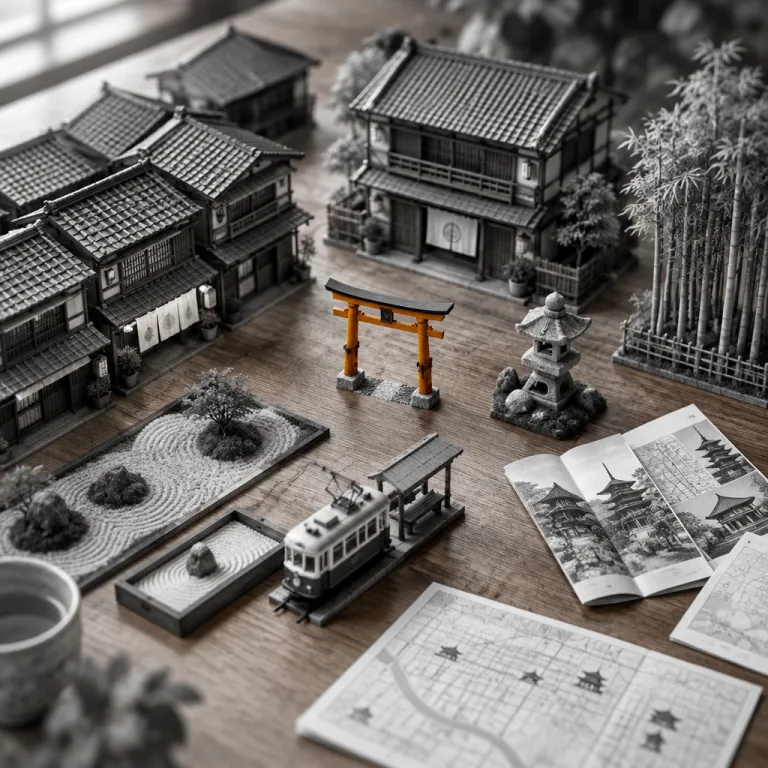
Why where to stay in Kyoto matters more than the star rating
Your first decision in Kyoto is not which hotel has the best lobby, but which part of the city you want to wake up in. The neighborhood you choose will decide whether your first day begins with a quiet walk along the Kamo River or a dash through crowds near Kyoto Station to catch a train. When you ask yourself where to stay in Kyoto, you are really choosing the rhythm of every room, every morning and every night of your stay.
Think of Kyoto as a set of distinct stages rather than one central area, with Gion and Higashiyama offering lantern lit alleys while downtown Kyoto and Kyoto Station feel more urban and efficient. Staying in central Kyoto near the Kamo River gives you quick walking distance to both the old streets and the modern city, but it will never feel as hushed as a small ryokan tucked into southern Higashiyama. The best places for you are not the most famous hotels Kyoto promotes, but the ones whose surroundings match how you want to move through Japan each day.
Ask three questions before you book any hotel Kyoto offers and you will narrow the map fast. What do you want to see first each day, how much time will you spend on trains from Kyoto Station, and how important is a traditional Japanese style room or ryokan experience to your stay. Once you answer those, the choice of where to stay in Kyoto becomes less about chasing the Kyoto best list and more about choosing a base that quietly supports the way you like to travel.
Gion and southern Higashiyama hideaways: atmosphere first, convenience second
Gion and southern Higashiyama are where many first time visitors imagine they will stay Kyoto, because this is the postcard city of wooden facades and narrow lanes. A five minute walk from a small hotel in this area can take you to Yasaka Shrine, Maruyama Park or the lower slopes of the Higashiyama temple path before the tour groups arrive. By midday the same walking distance feels longer, as crowds fill every stone step and turn the most central streets into a slow moving procession.
Choose a ryokan or intimate Kyoto hotel here if you want your room to feel like an extension of the old city, with tatami floors, sliding shoji and perhaps a view towards the hills of southern Higashiyama. Many of these hotels Kyoto offers are mid range rather than ultra luxury, but the best rooms compensate with Japanese style breakfasts, onsen style baths and the ability to step out into Gion’s side alleys after dark. You trade quick access to Kyoto Station for immersion, and you accept that taxis back to your hotel Kyoto base after a late dinner elsewhere in the city may be part of the bill.
Food is a strong reason to stay in Gion or nearby Higashiyama, especially if you care about where to stay in Kyoto for easy access to kaiseki and sushi counters. For guidance on choosing a Kyoto hotel near the best sushi restaurants, use this detailed local resource on how to choose a Kyoto hotel near the best sushi restaurants. If you accept the trade off of higher prices, more crowds by day and fewer large rooms, Gion and southern Higashiyama repay you with evenings when the lanterns come on, the tour buses leave and the city suddenly feels like it belongs to you.
Downtown Kyoto and the Kamo River: balanced bases for food and transport
Move a short distance west from Gion and you reach downtown Kyoto, the commercial heart that runs roughly between Shijō and Sanjō streets and along the Kamo River. This central Kyoto area is where to stay if you want the best balance between atmosphere, transport and dining, with countless hotels, mid range options and business style properties stacked above restaurants and shops. You lose some of the old town quiet here, but you gain a city energy that makes late night ramen or a last drink by the river feel effortless.
Many travelers asking where to stay in Kyoto end up here because the walking distance to both Gion and Kyoto Station is manageable, especially if you use the subway and buses. A typical hotel Kyoto offers in this area might be a ten minute walk from the river, fifteen minutes from the southern Higashiyama slopes and a short ride from Nijo Castle or the Imperial Palace, which makes planning each day simple. Rooms tend to be smaller than in resort areas but larger than in some older ryokan, and you will find both Japanese style and Western style rooms depending on the property.
If you want structured help comparing Gion, southern Higashiyama, downtown Kyoto and Kyoto Station, study this clear neighborhood guide on where to stay in Kyoto across the main districts. Downtown is also a smart answer to the where stay question for travelers who plan several day trips, because buses and trains radiate from here almost as efficiently as from Kyoto Station itself. For many visitors, this is quietly one of the best places to base yourself, especially if you want to feel part of the city rather than a guest in a museum.
Kyoto Station, northern Higashiyama and split stays: tailoring the itinerary
Kyoto Station divides opinion, yet for some itineraries it is the best answer to where to stay in Kyoto, especially if you are stringing together several cities across Japan. A hotel directly connected to Kyoto Station or within a five minute walk turns every day trip to Nara, Osaka or Himeji into a simple commute, and you never worry about the last train back to your room. The trade off is clear though, because the immediate station area feels like a transport hub first and a neighborhood second, with fewer atmospheric streets for evening strolling.
One elegant solution is a split stay Kyoto plan, combining two or even three areas over four or five nights to match your changing priorities. Start with two nights near Kyoto Station or in Kyoto central for efficient sightseeing and day trips, then move to Gion, southern Higashiyama or northern Higashiyama for a slower final phase focused on temples and gardens. Northern Higashiyama, around places like Ginkaku ji and the Philosopher’s Path, offers some of the best places for quiet stays, with small hotels and ryokan that may be a fifteen minute walk from the nearest busy street but reward you with calm evenings.
When you compare northern Higashiyama with southern Higashiyama, the northern area feels more residential and less crowded by day, though it is slightly less central for downtown dining. A split stay also lets you sample both Japanese style rooms in a ryokan and more conventional hotels Kyoto provides, which can be helpful if you are unsure how many nights you want to sleep on futons. If you are temple focused and want to be within walking distance of several major sites, use this guide on how to choose a hotel near Kyoto’s famous temples and shrines to refine exactly where to stay.
Matching pace, budget and style: how to choose your Kyoto base
To turn the abstract where to stay in Kyoto question into a concrete choice, start with your pace. If you like early starts and long walks, prioritize areas within easy walking distance of the southern Higashiyama slopes, the Kamo River paths or the streets around Nijo Castle and the Imperial Palace. If you prefer to move by train and keep transfers simple, then a hotel Kyoto offers near Kyoto Station or in Kyoto central will suit you better, even if the immediate area feels less romantic.
Budget shapes the map as much as style, because the most atmospheric Gion and Higashiyama streets command higher prices for smaller rooms. Mid range travelers often find better value in downtown Kyoto or slightly west of the Kamo River, where hotels Kyoto lists as business properties can still offer comfortable rooms and quick access to the rest of the city. If you want a ryokan experience with Japanese style rooms but cannot justify the highest rates, look for properties a ten to fifteen minute walk away from the busiest lanes, where the room size and calm often improve.
Style is the final filter, and here you should be honest about how you like to sleep and stay. Some travelers love the ritual of a ryokan, with futons rolled out each evening and shared baths, while others prefer a familiar hotel room with a desk, a firm bed and predictable amenities. In Kyoto, the best places are rarely the ones with the most stars, but the ones where the morning light on the tatami or across the Kamo River quietly matches the trip you came to have.
FAQ
Is it better to stay near Kyoto Station or in Gion for a first visit ?
For a first stay in Kyoto, choose Kyoto Station if you plan many day trips and want the simplest train connections, because almost every regional line passes through this hub. Pick Gion or southern Higashiyama if your priority is atmosphere and being within walking distance of key temples and old streets, accepting higher prices and more crowds by day. Many travelers find that a split stay between Kyoto Station and Gion gives them both efficiency and immersion.
How many days should I stay in Kyoto to justify changing hotels ?
If you have three nights or fewer, staying in one central Kyoto hotel is usually easier, especially in downtown Kyoto or near the Kamo River. With four or five nights, changing area once can make sense, for example starting near Kyoto Station for day trips then moving to Higashiyama for a quieter finish. Beyond five nights, a split stay Kyoto itinerary can help you experience both the city energy and the more residential northern Higashiyama or Arashiyama districts.
Are ryokan in Kyoto suitable for first time visitors to Japan ?
Ryokan in Kyoto are generally very welcoming to first time visitors, and many staff members speak enough English to explain the rituals. If you are unsure about sleeping on futons or sharing baths, consider one or two nights in a ryokan and the rest in a more conventional hotel Kyoto offers. This approach lets you enjoy Japanese style hospitality without committing your entire stay to a format you have never tried.
Which Kyoto neighborhoods are best for walking to temples early in the morning ?
Southern Higashiyama and Gion are ideal if you want to reach places like Kiyomizu dera, Yasaka Shrine and the lower Higashiyama slopes on foot before the crowds. Northern Higashiyama works well for early walks to Ginkaku ji, the Philosopher’s Path and smaller temples scattered along the hills. Staying in these areas means a ten to fifteen minute walk at dawn can replace a longer bus ride from more central parts of the city.
Is downtown Kyoto noisy at night compared with other areas ?
Downtown Kyoto has more nightlife and traffic than Gion’s backstreets or the residential lanes of northern Higashiyama, so some streets can be livelier late in the evening. Choosing a hotel on a side street a short minute walk from the main avenues usually reduces noise while keeping you close to restaurants and shops. If you are sensitive to sound, request a higher floor room or one facing away from major intersections when you book.