Choosing a hotel in Kyoto city for hands on culture
Kyoto rewards guests who slow down and seek a deeper culture experience. When you choose a hotel in Kyoto city, look for stays that weave Kyoto cultural experiences directly into your time on the property. This approach turns each night in Kyoto into an experience travellers remember long after they leave.
Many hotels in central Kyoto now host cultural workshops that rival what you might book on an external tour. You can learn about Japanese culture through curated sessions on tea, kimono dressing, sweets making, and even samurai or ninja themed introductions to martial traditions. These experiences often run between 60 and 120 min, making them easy to fit between a morning visit to Kiyomizu dera and an evening stroll along the Kamogawa River.
Location still matters when you plan culture focused experiences across Japan, and Kyoto is no exception. A stay in central Kyoto places you close to transport hubs, so you can join a ceremony in the hotel before heading out to explore nearby shrines. Guests who split their time between Tokyo and Kyoto often comment that workshops in Kyoto feel more intimate than similar activities in Tokyo, because local hosts usually have long family ties to regional traditions.
Tea ceremony workshops and making tea in your hotel
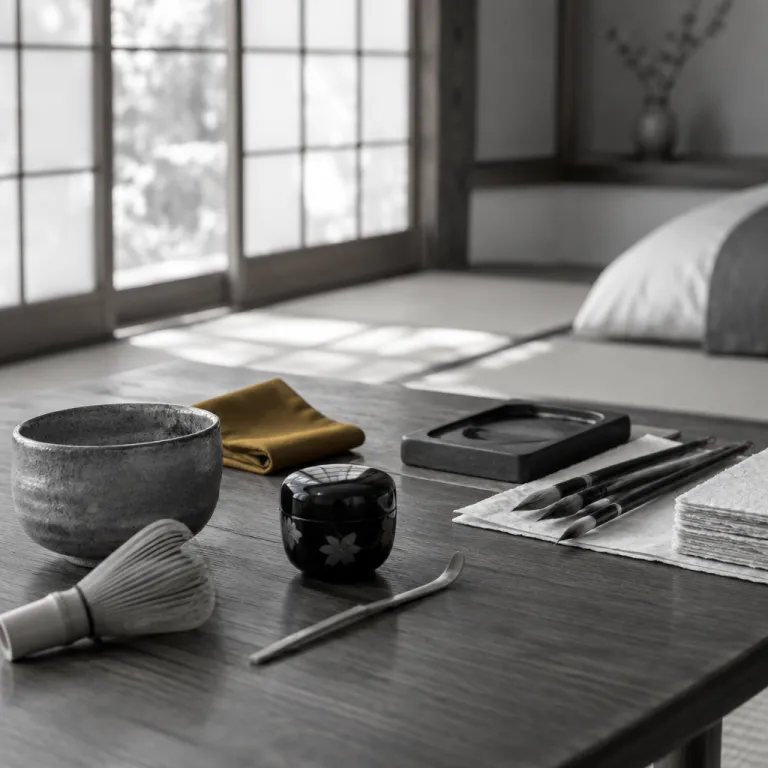
For many visitors, the quintessential experience Kyoto offers is a refined tea ceremony guided by a local master. Several Kyoto city hotels, such as The Ritz Carlton Kyoto and Hyatt Regency Kyoto, now invite certified instructors to lead small group tea ceremony sessions in private tatami rooms, allowing guests to learn at their own pace. These formats usually start with a short talk on Japanese culture, then move into the quiet ritual of making tea with matcha from nearby Uji.
Expect to spend at least 60 min in a structured tea ceremony, with some properties offering extended 90 min workshops for guests who want more detail. During these sessions, you will handle traditional Japanese utensils, learn how to whisk the tea correctly, and understand why every gesture in the tea ceremony matters. Many hotels pair the tea with Japanese sweets prepared by local artisans, turning the workshop into one of the most memorable indoor cultural experiences available in Kyoto.
Some stays go further and offer casual making tea classes in the lobby lounge, separate from the formal ceremony. In these shorter experiences guests can taste different grades of sencha, hojicha, and Kyoto sake infused teas while asking questions about daily tea habits in Japan. If you plan to visit both Tokyo and Kyoto, consider booking a more formal tea ceremony in Kyoto city and a contemporary tea tasting in Tokyo, so you can compare how Japanese culture expresses itself in each place.
Japanese sweets making and edible art in place Kyoto
Kyoto is famous for wagashi, the delicate Japanese sweets served with tea, and many hotels now turn this heritage into interactive workshops. In a typical sweets making class, a Kyoto confectioner visits the property and guides guests through shaping nerikiri dough into seasonal motifs. These sessions usually last 60 to 90 min, giving you enough time to learn the basics of this edible art without rushing.
Because wagashi are considered a form of traditional Japanese art, the instructor will explain how each color and pattern reflects nature and the passing of time. You might create maple leaf sweets in autumn, plum blossoms in late winter, or motifs inspired by Kiyomizu dera and other landmarks in Kyoto city. The result is a culture experience that connects taste, aesthetics, and Japanese customs in a way that feels both playful and precise.
Hotels that invest in these experiences across Japan often collaborate with long established Kyoto patisseries, ensuring authenticity and quality. For example, some properties partner with century old wagashi shops such as Toraya or Kanshundo, whose artisans demonstrate techniques passed down through generations. After the workshop, many properties serve your Japanese sweets alongside matcha in a relaxed making tea session, reinforcing what you learned earlier. If you are interested in bringing home flavors from place Kyoto, you can later explore markets near Kyoto Station and Gion for matcha and wagashi, using a detailed guide to the best souvenirs to buy in Kyoto that highlights tea, crafts, and local sweets.
Kimono dressing, samurai ninja stories, and living Japanese culture
Beyond food and tea, many hotels in Kyoto city curate workshops that let you wear and move within Japanese culture. Kimono dressing sessions are especially popular, as trained staff or visiting specialists help you into layers of silk while explaining patterns linked to Kyoto seasons. These experiences often include a short indoor photo tour, so you can capture the moment without leaving the property.
Some stays also invite performers to share samurai ninja themed demonstrations that focus on etiquette, movement, and history rather than staged combat. In these workshops, guests learn how traditional Japanese warriors carried swords, bowed, and moved through space, turning abstract history into a tangible culture experience. Families often appreciate that these sessions last around 60 min, which keeps children engaged while still leaving time for an afternoon visit to Kiyomizu dera or nearby temples.
When combined, kimono dressing and samurai ninja storytelling create layered Kyoto cultural experiences that appeal to different ages and interests. You might start the day in central Kyoto with a kimono session, then join a ceremony experience in the afternoon to see how clothing, tea, and architecture interact. One guest described leaving a hotel tea room still wearing a rented kimono and feeling “as if the whole city had slowed down to match the rhythm of the ceremony.” By the time you leave Japan, you will have more than photos; you will carry embodied memories of how it feels to move, sit, and bow within Japanese culture.
Designing your itinerary around experiences Kyoto hotels offer
To make the most of your stay, plan your days around both in house workshops and external excursions in Kyoto. Many hotels publish a weekly calendar that lists tea ceremony times, sweets making slots, and kimono or samurai ninja sessions, usually in 60 or 90 min blocks. Use this schedule to anchor your mornings or evenings, then weave in a visit to Kiyomizu dera, Fushimi Inari Taisha, or the Kyoto sake district in Fushimi during the remaining hours Kyoto offers.
Travellers who split their trip between Tokyo and Kyoto often underestimate how compact Kyoto city feels compared with the capital. Staying in central Kyoto means you can attend a ceremony at your hotel, then reach major sites within 20 to 30 min by bus, subway, or taxi. This proximity allows you to stack multiple cultural experiences in a single day without feeling rushed, especially if you alternate intense temple visits with calmer indoor workshops.
When evaluating experiences across Japan, consider how each place balances structure and spontaneity. Some hotels require advance reservations for every culture experience, while others keep a few last minute spots open for guests who decide on the day. If you value flexibility, choose a place in Kyoto that offers both scheduled sessions and informal making tea or sake tastings, so you can adapt your plans to the weather and your energy levels.
How to evaluate cultural workshops when booking your Kyoto hotel
As you compare properties, read descriptions of Kyoto cultural experiences with the same care you give to room types. Look for clear details about workshop duration in min or hours Kyoto guests typically spend, group size, language support, and whether instructors are external specialists or in house staff. A well structured ceremony experience or sweets making class should specify what you will learn, what is included, and how the session connects to wider Japanese culture.
Pay attention to whether the hotel situates its offerings within Kyoto city rather than presenting generic activities found across Japan. For example, a tea ceremony that uses Uji matcha, serves wagashi from a Kyoto confectioner, and references local temples will feel more rooted in place Kyoto than a standardised format. Similarly, a sake tasting that highlights Kyoto sake from Fushimi breweries shows that the property understands its role as a bridge between guests and local producers.
Reviews can also reveal how guests feel about each culture experience, especially when they mention specific instructors or memorable moments. When several travellers praise the same tea ceremony or kimono session, you can be confident that the experience the Kyoto hotel offers is consistent and thoughtfully designed. By prioritising hotels that treat cultural programming as a core part of their identity, you ensure that your time in Japan becomes a sequence of meaningful encounters rather than a checklist of sights.
Key statistics on Kyoto Japan cultural experiences in hotels
- Industry surveys by the Kyoto City Tourism Association suggest that a growing share of international visitors now cite cultural workshops such as tea ceremony or kimono dressing as a primary reason for choosing Kyoto over other destinations in Japan, though exact percentages vary by year and methodology. For instance, a 2019 summary reported that roughly one in four overseas guests mentioned hands on culture as a key motivation.
- Reports from the Japan Tourism Agency indicate that travellers who participate in at least one structured culture experience tend to spend more per day on local crafts, Japanese sweets, and Kyoto sake, but the precise figures depend on the specific study and travel season. A 2020 briefing on experiential tourism noted average spending increases of 15–30% among participants in paid workshops.
- Research summaries released by the Kyoto City Tourism Association note that guest satisfaction scores for hotels offering in house cultural programs are consistently higher than for properties without such experiences, even if the exact percentage difference changes over time. In one 2018 hotel survey, properties with regular tea ceremony or kimono events recorded overall satisfaction ratings around five points higher on a 100 point scale.
- Japan Tourism Agency data show that many visitors combine stays in Tokyo and Kyoto, and among them, a significant proportion describe their most memorable Kyoto moment as a tea ceremony or related workshop, highlighting the appeal of hotel based cultural activities. A 2021 visitor feedback report found that cultural classes and performances ranked just behind temple visits in post trip recollections.
Frequently asked questions about hotel based cultural experiences in Kyoto
Are hotel cultural workshops in Kyoto suitable for first time visitors to Japan ?
Yes, hotel based workshops in Kyoto are designed for beginners and usually start with clear explanations of Japanese culture. Instructors often speak English and guide you step by step through activities such as tea ceremony, sweets making, or kimono dressing. These sessions provide a gentle introduction before you explore more complex cultural sites around Kyoto city.
How much time should I allocate for a tea ceremony in my hotel ?
Most hotel tea ceremony workshops in Kyoto last between 60 and 90 min. Shorter formats focus on observing the ritual and tasting matcha, while longer sessions allow you to practice making tea yourself. Plan at least two hours Kyoto wide in your schedule to include arrival, the ceremony experience, and a relaxed transition to your next activity.
Can children join cultural experiences Kyoto hotels offer, such as samurai ninja sessions ?
Many hotels welcome children in samurai ninja themed introductions, sweets making classes, and informal making tea tastings. Formal tea ceremony or kimono dressing may have age guidelines, so it is wise to check with the property in advance. When in doubt, choose shorter 60 min workshops and ask whether the instructor has experience working with families.
Is it better to book cultural workshops in my Kyoto hotel or with external studios ?
Hotel workshops offer convenience and small group settings, while external studios in Kyoto city may provide a wider range of specialised experiences across Japan. If you have limited time, in house sessions ensure you can enjoy at least one culture experience without commuting. Travellers with longer stays often combine both, starting with hotel activities and then booking more advanced classes in dedicated studios around place Kyoto.
Do I need to speak Japanese to enjoy Kyoto Japan cultural experiences in hotels ?
No, most hotel based workshops in Kyoto are conducted in English or with translation support. Instructors use demonstrations, visual aids, and simple phrases to help you learn, especially during tea ceremony and sweets making. Knowing a few Japanese words can enrich the experience Kyoto offers, but it is not essential for meaningful participation.