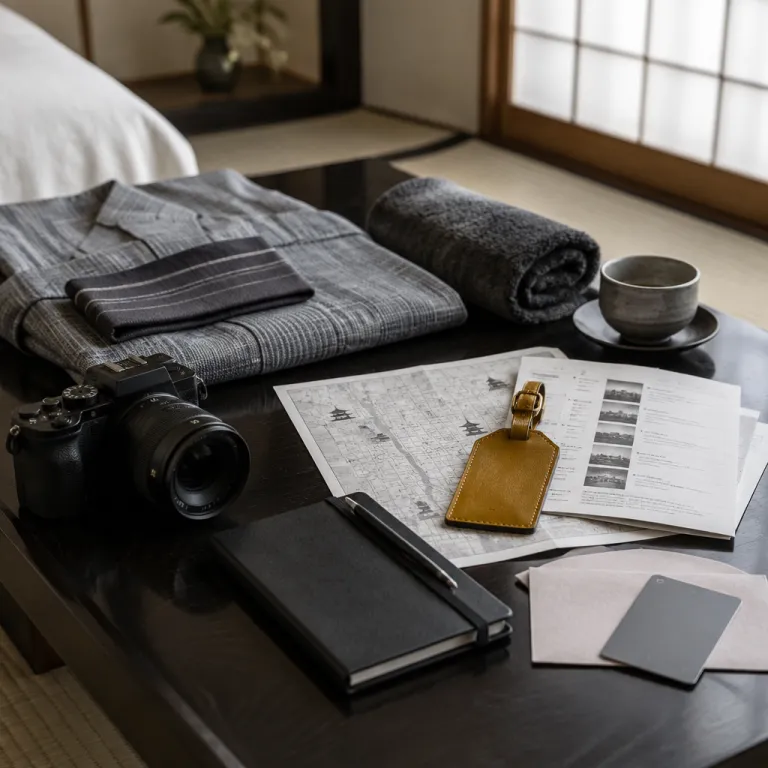
How many days to spend in Kyoto for your ideal stay
Choosing how many days to spend in Kyoto shapes every part of your hotel stay. For most travellers, three days in Kyoto, Japan offer a refined balance between temple visits, relaxed walks, and unhurried meals. If you have more days in Kyoto, the extra time lets you slow your pace and enjoy the city as a temporary home rather than a checklist.
Think first about the rhythm you prefer for your trip and how you like to travel between districts. A short two day Kyoto escape suits guests who want a focused itinerary near Kyoto Station or downtown Kyoto, while four or five days Kyoto stays work better for travellers who value quiet mornings and late evening strolls. When you know how many days you have, you can match each day Kyoto offers with a specific neighbourhood and hotel style that fits your habits.
For a first trip Japan travellers usually underestimate the time lost in transfers and temple queues. A well planned Kyoto itinerary should allow at least one full day for the eastern hills, one day for Arashiyama and the bamboo grove, and another day for Fushimi Inari and the south. If you can add more days, you unlock relaxed day trips from Kyoto and the freedom to linger in a garden or wooden teahouse without watching the clock.
How your hotel location changes the ideal number of days
Where you stay in Kyoto, Japan directly influences how many days you need. A hotel beside Kyoto Station gives fast access to rail pass routes and day trips, while a stay in downtown Kyoto places you near nightlife, shopping streets, and many lunch options. Guests who choose quieter wooden townhouses in residential areas often appreciate an extra day to enjoy slow mornings and evening walks back from the station or temple districts.
If your Kyoto itinerary focuses on Higashiyama, a hotel near Kiyomizu dera temple or along the Philosopher Path reduces travel time and lets you visit shrines early. In that case, two full days in this part of the city can feel generous, because you can walk between sights and return to your stay for a midday rest. When your hotel sits farther away, you may need more days Kyoto wide to compensate for buses, transfers, and crowded streets.
Families planning how many days to spend in Kyoto around nap times should build their schedule from the hotel outward. A practical approach is to choose your area first, then design a kid friendly plan using a resource such as this guide on how to plan a Kyoto itinerary with children around your hotel location. With that structure, each day trip becomes a short loop from your stay, and you avoid long returns through the city when everyone is tired.
Two or three days in Kyoto: what you can realistically see
When travellers ask how many days to spend in Kyoto, Japan, two or three days usually emerge as the minimum. In two days Kyoto can still feel rich if you focus on a compact itinerary that links Fushimi Inari, Kiyomizu dera, and the Gion area on one day, then Arashiyama and the bamboo grove on the next. This style of trip suits guests who prefer a central hotel near Kyoto Station or downtown Kyoto, where transport options are dense and reliable.
On your first day Kyoto rewards early risers who reach Fushimi Inari before the crowds. From there, you can travel by train back toward the city, stop for lunch near the station, then continue by bus or taxi to the eastern hills and the dera temple complex of Kiyomizu dera. Ending the day with a slow walk through the wooden streets of Ninenzaka and Sannenzaka lets you feel the historic side of the city without rushing.
On the second day, take a short rail pass covered train ride to Arashiyama for a different mood. Start with the bamboo grove in the early morning, then cross the river and explore a garden such as Tenryu ji before returning to your stay for a rest. In the evening, you might head to Nishiki Market near downtown Kyoto for casual Japan travel snacks and a relaxed dinner close to your hotel.
Why three days often feel like the Kyoto best balance
Extending your trip Japan wide to three days in Kyoto gives you breathing room. With three days, Kyoto itinerary planning becomes less about squeezing in every temple and more about choosing the best experiences near your chosen stay. You can dedicate one full day to the eastern hills, one to Arashiyama and its bamboo grove, and one flexible day for Fushimi Inari, Nishiki Market, or a tea ceremony.
On that third day Kyoto reveals its quieter corners, especially if your hotel sits near the Philosopher Path or in a residential area north of downtown Kyoto. You might spend the morning at a smaller garden, enjoy lunch in a local café, then return to your stay before an evening walk along the canal. This slower rhythm helps you feel the city as a place to live for a few days, not only a destination to visit.
For travellers using a Japan Rail Pass, three days Kyoto based also align well with day trips. You can keep your hotel as a base near Kyoto Station and take short rail pass journeys to nearby cities while still returning to familiar surroundings each night. That combination of stability and variety often makes three days the Kyoto best option for first time visitors.
Four to five days in Kyoto for hotel based immersion
Staying four or five days in Kyoto, Japan transforms your trip into a gentle immersion. With this much time, you can design a Kyoto itinerary that alternates intense temple mornings with relaxed afternoons in cafés, gardens, or your hotel lounge. Guests who choose characterful wooden townhouses or design forward stays particularly appreciate these longer days Kyoto offers, because the property itself becomes part of the experience.
On a four day Kyoto stay, you might dedicate one day to Fushimi Inari and the southern districts, one to Kiyomizu dera and the eastern hills, one to Arashiyama and the bamboo grove, and one to downtown Kyoto and Nishiki Market. This structure keeps each day focused on a single area of the city, reducing transport time and allowing for spontaneous stops. It also leaves space for a tea ceremony, a riverside walk, or a quiet hour in a garden without feeling that you are sacrificing major sights.
Solo guests often ask how many days to spend in Kyoto when they want both exploration and rest. For them, four or five days with a well chosen base can be ideal, especially when using a resource such as this guide to choosing the best area and hotel for solo travel in Kyoto, Japan. With that support, each day trip from your stay becomes a deliberate choice rather than a rushed obligation.
How longer stays change your relationship with the city
When you stay many days in Kyoto, the city starts to feel familiar. You learn the quickest walk from your hotel to Kyoto Station, the quiet back streets that lead to your favourite temple, and the best lunch spots that suit your schedule. Over time, the distance between your stay and key sights matters less, because you naturally weave them into your daily routine.
Guests on longer trip Japan itineraries often use Kyoto as a base for several day trips. With a rail pass, you can reach Nara, Osaka, or Himeji from Kyoto Station while keeping the same room and neighbourhood comforts. Returning to the same stay each evening adds a sense of continuity that many travellers value more than ticking off extra cities.
For hotel planners, the question of how many days to spend in Kyoto becomes less about quantity and more about depth. Four or five days Kyoto based allow you to revisit a favourite garden at different times of day, or to experience Fushimi Inari once at dawn and once after dark. That repetition, anchored by a consistent stay, often creates the most lasting memories.
Designing curated Kyoto city itineraries around your hotel
Thoughtful travellers do not only ask how many days to spend in Kyoto, Japan ; they ask how to shape each day around their hotel. A curated Kyoto itinerary starts with your base, whether it is near Kyoto Station, downtown Kyoto, or in a quieter district by the Philosopher Path. From there, you can design each day Kyoto offers as a loop that begins and ends at your stay, minimising backtracking and fatigue.
For example, if your hotel sits near Kyoto Station, one day trip loop might combine Fushimi Inari in the early morning, a return to the station for lunch, then an afternoon train to Arashiyama and the bamboo grove. Another day could focus on Kiyomizu dera and the eastern hills, accessed by bus or taxi from the station, with a final walk through Gion before returning to your stay. This structure keeps your itinerary efficient while still allowing time for a tea ceremony or a quiet garden visit.
Guests based in downtown Kyoto can build different loops that prioritise Nishiki Market, riverside walks, and evening dining. One day Kyoto plan might start with a temple in the northern hills, continue with lunch near the market, then end with shopping and a short walk back to the hotel. Over several days Kyoto becomes a series of overlapping circles, each anchored by your chosen stay and tailored to your pace.
Balancing must see temples with slow time in your stay
Kyoto, Japan is famous for its temple density, yet no one needs to see every dera temple in a single trip. When planning how many days to spend in Kyoto, decide which three or four sites truly matter to you, such as Fushimi Inari, Kiyomizu dera, or a garden along the Philosopher Path. Then, design your Kyoto itinerary so that each day includes one major visit, one secondary stop, and generous time to enjoy your hotel.
For instance, you might pair a morning at Kiyomizu dera with an afternoon tea ceremony near your stay, followed by a quiet evening in your room or hotel bar. Another day could combine a walk through the bamboo grove with a long lunch overlooking a garden, then a restful return to your base before dinner in downtown Kyoto. This balance respects both the intensity of temple visits and the restorative role of your accommodation.
Travellers who rush from station to station often return home remembering queues more than views. By contrast, those who allow extra days Kyoto wide and protect slow hours in their stay tend to recall the scent of wooden corridors, the sound of rain in a courtyard, and the calm of early morning walks. In that sense, the right number of days is the one that lets your hotel feel like a temporary home, not just a place to sleep.
Using rail passes and day trips without overloading your stay
Many visitors planning how many days to spend in Kyoto, Japan also hold a Japan Rail Pass. This rail pass encourages ambitious day trips, yet your hotel stay and energy levels should guide how many journeys you actually take. A refined approach is to dedicate at least two full days Kyoto focused, then add one or two day trips from Kyoto Station if you have extra time.
For example, on a five day Kyoto stay, you might spend three days entirely within the city and two days on rail pass supported excursions. One day trip could be to Nara for its temples and deer park, while another might head to Osaka for food and nightlife, always returning to your familiar stay in Kyoto each evening. This pattern keeps Kyoto as the emotional centre of your trip Japan experience, rather than a brief stop between trains.
When planning day trips, consider how far your hotel sits from Kyoto Station and how long it takes to walk or transfer there. Guests staying near the station can comfortably schedule earlier departures and later returns, while those based near the Philosopher Path or in northern districts may prefer fewer, more focused day trips. In every case, the number of days Kyoto receives in your itinerary should reflect not only rail pass value but also the quiet pleasures of time spent in and around your hotel.
When to prioritise Kyoto over extra cities
Travellers often feel pressure to add more cities to their trip Japan route. Yet for many, extending Kyoto by one or two days offers better value than rushing to a new destination for a single night. The question is not only how many days to spend in Kyoto, but whether those extra days Kyoto based might give you deeper rest and richer memories.
If your stay in Kyoto, Japan includes a room with a view, a serene garden, or a refined lounge, consider protecting time simply to enjoy those spaces. You might spend a morning reading in a wooden courtyard, then take a short walk to a nearby temple or market before returning for an unhurried lunch. These quiet interludes often become the highlights that balance the intensity of sightseeing days.
For guests who value comfort and continuity, Kyoto best serves as a multi day anchor rather than a quick stop. Keeping the same stay for four or five nights reduces packing, check in stress, and the risk of train delays affecting your sleep. In that light, the right answer to how many days to spend in Kyoto is often “one more than you first planned.”
Choosing your hotel style and area for the perfect length of stay
The style and location of your hotel in Kyoto, Japan should align with how many days you plan to stay. If you have only two or three days Kyoto based, a central property near Kyoto Station or downtown Kyoto maximises your time and simplifies transfers. For longer stays of four or five days, you might prioritise atmosphere, choosing a wooden townhouse or riverside hotel where the property itself becomes a highlight of the trip.
When comparing options, consider how each area supports your planned Kyoto itinerary. A station area stay suits guests focused on rail pass day trips and efficient temple hopping, while a base near the Philosopher Path favours slow walks, garden visits, and quiet evenings. Families and groups may prefer locations with easy access to supermarkets, casual lunch spots, and straightforward routes back to the hotel after a long day Kyoto wide.
To refine your choice, it can help to read guidance on how your accommodation type shapes your experience, such as this analysis of how Airbnb and hotel stays in Kyoto influence your overall trip. Once you understand how your stay will frame each day, you can more confidently decide how many days to spend in Kyoto and which neighbourhood best supports that rhythm. The goal is a seamless fit between your hotel, your itinerary, and the quiet moments that turn a trip into a memory.
Aligning room features with your daily Kyoto routine
Room features matter more as your number of days in Kyoto increases. Guests on a short two day Kyoto visit may prioritise proximity to the station over room size, while those staying many days often value larger spaces, desks, or seating areas. If you plan to return to your stay for midday breaks between temple visits, a comfortable room becomes part of your daily Kyoto itinerary rather than just a place to sleep.
Consider how you will use the room at different times of day. Early risers might appreciate a view toward the city or nearby hills, encouraging them to start each day Kyoto offers with a sense of place, while night owls may prefer easy access to downtown Kyoto restaurants and bars. Travellers planning a tea ceremony in their room or quiet evenings with take away from Nishiki Market should check whether their stay allows food in the room and offers suitable seating.
Ultimately, the right hotel choice supports your answer to how many days to spend in Kyoto, Japan by making every hour feel well used. A harmonious match between stay, neighbourhood, and itinerary lets you move smoothly from station to temple, from garden to lunch, and from evening walk to restful sleep. When that alignment is in place, both short and long days Kyoto wide can feel perfectly calibrated.
Key statistics on Kyoto stays and trip planning
- Kyoto City tourism surveys report that international visitors stay an average of around 2.5 nights, meaning many travellers experience only two full days in the city, which often proves too short once transport times and jet lag are considered (Kyoto City Tourism Association, “Kyoto City Overnight Visitor Statistics,” 2019–2022).
- Data from the Japan National Tourism Organization show that Kyoto ranks among the top destinations in Japan for repeat visitors, with a significant share returning specifically to extend their stay after feeling rushed on a first trip (Japan National Tourism Organization, “Survey on Foreign Visitors’ Travel to Japan,” 2018).
- Visitor flow studies around Fushimi Inari and Kiyomizu dera indicate that peak congestion typically lasts from late morning to mid afternoon, reinforcing the value of at least three days in Kyoto so guests can schedule early or late visits to major temples (Kyoto City Tourism Association, “Tourist Congestion Analysis in Major Sightseeing Areas,” 2019).
- Rail usage figures from JR West highlight Kyoto Station as one of the busiest hubs in western Japan, underlining the practical advantage of station area hotels for travellers planning multiple day trips using a Japan Rail Pass (West Japan Railway Company, “JR West Data Book,” 2022).
FAQ about how many days to spend in Kyoto
Is two days enough time to see Kyoto’s main sights ?
Two days in Kyoto, Japan allow you to visit a few headline sights such as Fushimi Inari, Kiyomizu dera, and the Arashiyama bamboo grove, but the pace will be fast. You will need a central stay near Kyoto Station or downtown Kyoto and a tightly planned itinerary. For a more relaxed experience with time to enjoy your hotel, three days Kyoto based is usually preferable.
How many days should I stay in Kyoto if I want day trips ?
If you plan to use a Japan Rail Pass for day trips from Kyoto Station, aim for at least four days in Kyoto. Spend two or three days focused on the city itself, then add one or two day trips to nearby destinations such as Nara or Osaka. This balance lets you enjoy both Kyoto’s temples and gardens and the wider region without exhausting transfers.
What is the ideal length of stay in Kyoto for first time visitors ?
For a first trip Japan itinerary, three days in Kyoto usually offer the best compromise between depth and schedule. This allows one day for the eastern hills and Kiyomizu dera, one for Arashiyama and the bamboo grove, and one flexible day for Fushimi Inari, Nishiki Market, or a tea ceremony. With fewer days Kyoto can feel rushed, while more days provide welcome breathing space if your overall schedule allows.
Should I stay near Kyoto Station or in downtown Kyoto ?
Stay near Kyoto Station if you have limited days and plan several day trips, because you will save time on transfers and rail pass connections. Choose downtown Kyoto if you prefer easy access to restaurants, Nishiki Market, and evening walks along the river, especially on longer stays. In both cases, your answer to how many days to spend in Kyoto should reflect how much you value convenience versus atmosphere.
How does hotel choice affect how many days I need in Kyoto ?
A well located hotel can reduce the number of days you need by cutting travel time between the station, temples, and dining areas. However, if you choose a stay with a beautiful garden, wooden interiors, or refined facilities, you may want extra days Kyoto based simply to enjoy the property. Align your planned length of stay with how much time you expect to spend inside the hotel versus out exploring the city.