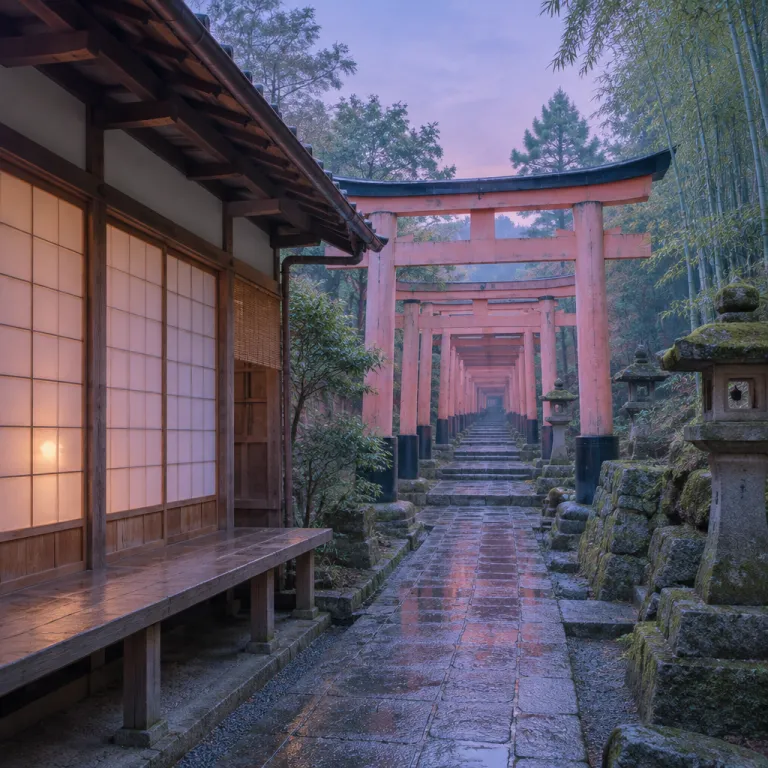
Why Fushimi Inari Taisha at night changes how you choose a hotel
Fushimi Inari Taisha at night feels like a different world from the busy daytime shrine. When the last tour groups leave and the lanterns glow softly along the torii gates, the entire Inari shrine complex becomes quieter and more intimate. If you stay nearby in southern Kyoto, Japan, you can time your walking approach to the shrine’s night atmosphere instead of rushing with daytime crowds.
Many travellers ask whether visiting Fushimi Inari Taisha at night is worth planning their whole trip to Japan around. The honest answer is yes, because the Inari night ambience, the near silence under the senbon torii, and the cool evening air create an experience that feels deeply personal and absolutely worth visiting. Choosing accommodation close to Inari Station (JR Nara Line) or Fushimi-Inari Station (Keihan Main Line) lets you move easily between day and night visits, so you can compare the energy of sunrise, afternoon, and late evening.
The shrine is technically open twenty four hours a day, which means you can visit Fushimi Inari whenever your schedule allows. That flexibility matters when you are deciding whether a temple lodging or a modern hotel in Kyoto is the better base for your walking tour plans. If you stay too far away, you will probably only see the main shrine and lower torii gates once, but staying nearby invites slow walking, repeated visits, and time to explore the smaller shrines scattered across the mountain.
Temple lodgings near Fushimi and how they shape your evening
Temple lodgings, known as shukubo, offer a very different experience from a standard hotel in Kyoto, Japan. These stays are usually attached to Buddhist temples rather than to a Shinto Inari Taisha shrine, yet they place you within easy reach of Fushimi Inari and other major shrines. If you choose a shukubo in southern Kyoto, you can reach Inari Station quickly, walk to the shrine in the evening, and still return to a quiet tatami room before midnight.
For travellers focused on Fushimi Inari Taisha at night, the main advantage of temple lodgings is rhythm rather than luxury. Monastic schedules encourage early nights and early mornings, which align perfectly with walking the torii gates before the day crowds arrive or after most tour groups have gone. When you plan how to choose a hotel near Kyoto’s temples and shrines, consider whether you want structured mornings for meditation and vegetarian shōjin ryōri meals, or more flexible time for a late night visit.
Shukubo stays are usually simple but atmospheric, with sliding doors, shared baths, and views toward wooded hills or nearby shrines. Options such as Shunkoin Temple in Myōshin-ji or lodging at Ninnaji Temple give a sense of this style, even if they are not directly beside Fushimi. This calm setting can make your Inari night visit feel more reflective, because you leave a quiet temple, walk through residential streets, and then enter the lantern lit paths of Fushimi Inari. If you value a shrine worth visiting for its spiritual mood as much as for photographs, pairing a temple lodging with an evening or day-and-night visit to Fushimi Inari Taisha is especially rewarding.
Comparing temple lodgings and hotels for late night Fushimi Inari visits
When your priority is Fushimi Inari Taisha at night, you need to balance access, comfort, and atmosphere. Temple lodgings near central Kyoto give you cultural depth, while modern hotels near Inari Station or along the JR Nara Line offer late check in and easy transport after a night visit. The right choice depends on how often you plan on visiting Fushimi and how sensitive you are to early morning temple routines.
If you want to walk the torii gates several times, staying close to the shrine is worth the slight trade off in central city convenience. A hotel near Kyoto’s famous temples and shrines can still feel refined, yet it allows you to step out after dinner, reach the Inari shrine in minutes, and enjoy the evening quiet without worrying about the last train. Temple lodgings, by contrast, may ask you to return by a set time, which can limit how late you stay on the mountain paths during an Inari night visit.
Think about your ideal walking tour pattern before you book. Some guests prefer one focused night Fushimi visit, then spend the rest of their time exploring northern Kyoto shrines and gardens, using a central base near Gion or Higashiyama. Others plan a longer trip to Japan that includes repeated evening walks through the senbon torii, in which case a simple inn or temple stay in the Fushimi area becomes clearly worth visiting. Concrete examples include a business hotel near Kyoto Station with a five minute JR ride to Inari, or a small guesthouse in Fushimi with a ten to fifteen minute walk to the main shrine.
Planning your timing, walking routes, and crowd levels
Timing is everything when you want Fushimi Inari Taisha at night to feel serene rather than eerie. The lower shrine area near the main gates and the first stretch of torii gates can still attract small tour groups until late evening, especially during peak seasons in Kyoto. If you stay nearby, you can wait until the last trains thin the crowds, then begin walking higher toward the inner shrines where the forest closes in.
Most visitors underestimate the time needed to complete the full walking loop under the torii gates up Mount Inari. Allow at least two to three hours if you plan to stop at viewpoints, explore side shrines, and photograph the lanterns during your Inari night walk. Because the shrine is open all night, you can start at dusk, watch the transition from day to night on the slopes, and then descend slowly as Kyoto, Japan, lights up below.
For safety and comfort, carry a small flashlight or use your phone, even though the main paths are lit. The stone steps can be uneven, and after rain they become slippery, especially in the quiet upper sections where shrine night lighting is softer. If you prefer more structure, consider joining a small walking tour with a local guide based in Kyoto, who can explain the meaning of Inari fox statues, rice offerings, and the role of Fushimi shrines in regional trade.
How staying near temples reframes your wider Kyoto itinerary
Choosing accommodation with Fushimi Inari Taisha at night in mind will inevitably shape the rest of your Kyoto days. A base in southern Kyoto or near the Keihan Line makes it easy to combine an Inari shrine visit with side trips to Uji, Tōfuku-ji, or the sake district around Fushimi’s canals. If you are also interested in cherry blossoms or autumn foliage, staying near temple districts lets you walk between seasonal highlights and evening shrines without relying constantly on trains.
Many travellers planning a longer trip to Japan want both atmospheric nights and efficient sightseeing days. In that case, consider a split stay strategy, spending a few nights near Fushimi for shrine night walks and then moving to a central area like Sanjō or Kawaramachi for shopping and museums. Resources from the Japan National Tourism Organization and Kyoto City tourism that map where to stay for Kyoto cherry blossoms with walking times and hotel tips can help you visualise distances between temple lodgings, modern hotels, and major shrines.
Temple stays also encourage slower travel, which pairs beautifully with repeated visiting Fushimi at different hours. You might walk the torii gates at dawn one day, return in the afternoon to explore side paths, and then plan a final Inari night ascent before leaving Kyoto, Japan. By aligning your hotel choice with this rhythm, you turn Fushimi Inari from a single checklist stop into a shrine worth revisiting, each time revealing a new layer of meaning.
Practical tips for a refined stay focused on Fushimi Inari
To make Fushimi Inari Taisha at night the centrepiece of your stay, start by mapping your route from your hotel or temple lodging to Inari Station or Fushimi-Inari Station. Aim for accommodation that keeps your one way walking time under twenty minutes, so you can respond spontaneously to clear skies or a sudden urge for a quiet evening stroll. This proximity also helps if you decide that a second or third night visit is worth your limited days in Kyoto.
Pack lightly for your shrine visits and leave valuables in your room, because you will enjoy the torii gates more with free hands and an easy stride. Wear shoes with good grip, as the long walking route up Mount Inari includes many stone steps and occasional unpaved sections near smaller shrines. If you are unsure about routes, ask your host or hotel staff to act as an informal guide, Kyoto style, pointing out viewpoints, rest stops, and safe paths for late evening walks.
Remember that Fushimi Inari is a working taisha, not just a backdrop for photographs. Be respectful of worshippers at the Inari Taisha main hall, keep voices low during shrine night visits, and avoid blocking the narrow torii gates when taking pictures. With this mindset, your focus on Fushimi Inari Taisha at night will feel not only visually striking but also deeply worth visiting, turning your stay in Kyoto, Japan, into a balanced blend of comfort, culture, and quiet spiritual experience.
Key figures for planning a stay around Fushimi Inari
- Fushimi Inari Taisha reportedly welcomes over 2.5 million visitors during the first three days of the New Year alone, and several million more across the rest of the year, according to Kyoto City tourism data.
- The full loop trail under the torii gates up and around Mount Inari is roughly 4 kilometres, which typically requires 2 to 3 hours of walking time for most travellers.
- From Kyoto Station to Inari Station on the JR Nara Line, the train ride takes about 5 minutes, making Fushimi Inari one of the most accessible major shrines in Japan.
- From Fushimi-Inari Station on the Keihan Main Line, the walk to the main torii gate is around 3 minutes, which is convenient if you stay along the Keihan corridor between Gion-Shijō and Fushimi.
- Many temple lodgings in Kyoto offer check in from mid afternoon and quiet hours starting around 21:00, which aligns well with early evening shrine night visits but may limit very late returns.
- Average spring and autumn evening temperatures in Kyoto range between 10 and 18 degrees Celsius, which is generally comfortable for a night visit if you bring a light layer.
FAQ about staying near Fushimi Inari Taisha for night visits
Is Fushimi Inari Taisha open at night and is it safe
Fushimi Inari Taisha is open twenty four hours, so you can visit at any time of day or night. The main paths and torii gates are lit, and many travellers walk them safely in the evening, though the upper sections are quieter and feel more remote. As with any night visit, stay on marked paths, walk with a companion if possible, and avoid overly isolated side trails.
How long should I plan for a night visit to Fushimi Inari
If you only want to see the main shrine and the first section of torii gates, you can experience that in about one hour. To walk the full loop under the senbon torii and reach the viewpoints over Kyoto, Japan, allow at least two to three hours. Staying near Inari Station or in southern Kyoto makes it easier to manage this walking time without rushing for the last train.
Is it better to stay in a temple lodging or a hotel for night visits
Temple lodgings offer a quiet, traditional atmosphere and early mornings that pair well with dawn visits to shrines, including Fushimi Inari. Hotels near transport hubs provide more flexible check in and return times, which can suit very late shrine night walks. If Fushimi Inari Taisha at night is your main focus, consider a hotel or inn within walking distance and add a separate temple stay elsewhere in Kyoto for contrast.
Are guided walking tours at Fushimi Inari available in the evening
Some local companies and independent guides in Kyoto offer small group or private walking tours at Fushimi Inari during late afternoon and early evening. These tours usually cover the history of the Inari shrine, the meaning of fox statues, and the role of the torii gates, finishing before very late hours. If you prefer a quieter Inari night experience, you can use a guide based in Kyoto for your first visit, then return alone from your hotel on another evening.
How close should my accommodation be if I want multiple night visits
For repeated visits to Fushimi Inari Taisha at night, aim for accommodation within a 20 minute walk or a short train ride from Inari Station or Fushimi-Inari Station. This radius includes parts of Fushimi, southern Higashiyama, and areas along the Keihan Line. Being this close makes it realistically worth visiting the shrine on several evenings without sacrificing rest or other sightseeing plans.
References
- Japan National Tourism Organization (JNTO) visitor information on Kyoto and Fushimi Inari Taisha
- Kyoto City Tourism Association statistics and seasonal crowd guidance
- West Japan Railway Company (JR West) travel information for the JR Nara Line and access to Inari Station