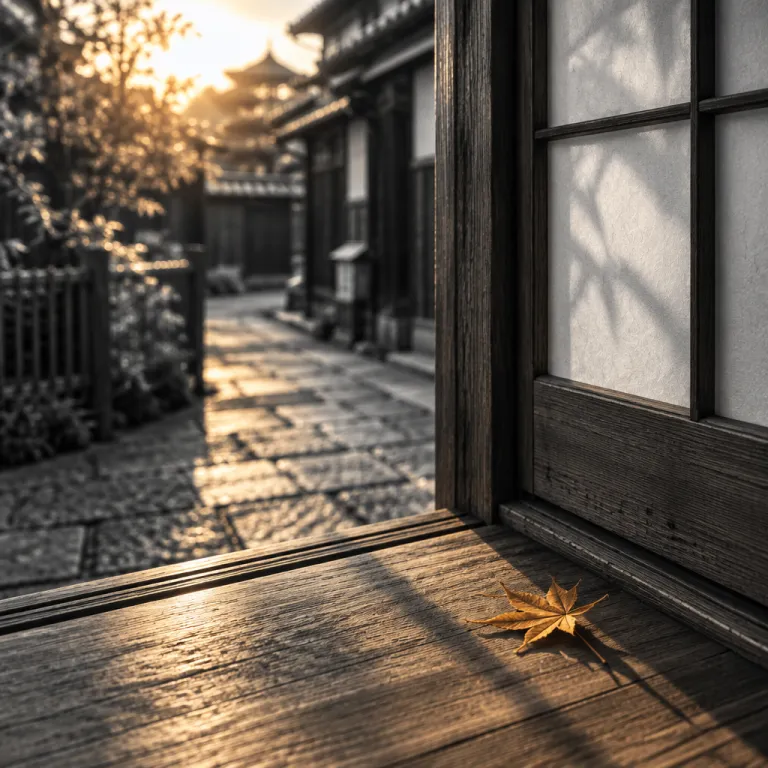
Understanding the best neighborhoods to stay in Kyoto
Choosing where to stay in Kyoto shapes how you experience the city. The best neighborhoods to stay in Kyoto balance access to a major station, atmospheric streets, and easy walks to shrines and temples. In a compact city like Kyoto, a ten minute walk can change your stay from purely practical to quietly magical.
Central Kyoto offers efficient connections, while riverside districts feel more intimate and traditional. When you compare each area, think about how you like to move through a Japanese city and how often you want to rely on a train or bus. Your ideal stay in Kyoto will sit at the crossroads of convenience, character, and the style of hotel or ryokan you prefer.
Many visitors focus on Kyoto Station, downtown Kyoto, Gion, and Higashiyama as the Kyoto best starting points. Each area has its own rhythm, from the businesslike pace around the station area to the lantern lit alleys near the Kamo River. Before you book any hotel Kyoto offers, decide whether you want to wake up near a temple bell, a department store, or a Shinkansen platform.
Think of Kyoto as a ring, with Kyoto Station and central Kyoto forming the transport core. From this core, the city fans out toward northern Higashiyama, southern Higashiyama, and the quieter residential quarters near the Kyoto Imperial Palace. The best hotels in each ring serve different types of trips, from first time sightseeing to repeat stays focused on one neighborhood.
For many travelers, the best neighborhoods to stay in Kyoto are those that allow a relaxed walk to at least one major temple. Staying near Nijo Castle or the Kyoto Imperial Palace, for example, gives you green space and history without losing access to downtown. If you prefer nightlife and dining, the streets around Kyoto Kawaramachi and Nishiki Market may suit your stay Kyoto plans better.
Room types also influence which area works best for you. Traditional ryokan rooms with tatami and futons cluster near Gion, southern Higashiyama, and along the Kamo River, while larger Western style rooms are more common near Kyoto Station and in modern towers in downtown Kyoto. Decide early whether you want a Japanese style room or a familiar international layout, then match that choice to the neighborhood and your budget.
Staying near Kyoto Station and the central transport hub
The Kyoto Station area is the most practical base for travelers who value seamless transport. From this major station, you can board a Shinkansen train, reach Kansai International Airport connections, or ride local lines across the city. If you plan frequent day trips beyond Kyoto, a hotel near Kyoto Station can be the best choice.
Hotels around the station area range from simple business properties to full service five star hotel towers. Many of these best hotels offer direct access to the station concourse, underground malls, and bus terminals, which keeps transfers short even in heavy rain. For travelers with large luggage or limited mobility, a three or four minute walk from lobby to platform can transform the entire stay.
Central Kyoto around the station is not the most traditional area, yet it delivers strong value. You will find modern hotel Kyoto options with spacious rooms, reliable air conditioning, and international staff who understand complex itineraries. This part of the city works especially well for first time visitors who feel nervous about navigating Japanese transport systems.
From Kyoto Station, you can reach Nijo Castle in about fifteen to twenty minutes by train or subway. The Kyoto Imperial Palace and the wider Kyoto Imperial Park sit a little further north, but they remain easy to access from this central Kyoto base. Staying here means you trade immediate temple views for fast access to almost every other area.
Photography focused travelers sometimes worry that the station area lacks charm. In practice, you can still reach Gion, southern Higashiyama, and northern Higashiyama quickly for sunrise or evening shoots, especially if you plan your train and bus routes the night before. For more ideas on where to stay for iconic viewpoints, see this guide to Kyoto photography hotels and the best photo friendly districts.
Dining around Kyoto Station has improved significantly, with Japanese restaurants, ramen alleys, and department store food halls inside the station complex. While you will not find the same intimate river facing terraces as along the Kamo River, you gain late opening eateries that suit jet lagged arrivals. For many itineraries, this balance of convenience and comfort makes the station area one of the best neighborhoods to stay in Kyoto.
Downtown Kyoto, Kawaramachi, and Nishiki Market
Downtown Kyoto stretches roughly between Kyoto Kawaramachi, Shijo, and Karasuma, forming the commercial heart of the city. This area is ideal if you want to stay in Kyoto near shopping, dining, and nightlife while still reaching temples by short train or bus rides. Many travelers consider it one of the best neighborhoods to stay in Kyoto for a first visit.
Hotels in downtown Kyoto range from understated three star hotel properties above arcades to polished high rise addresses with panoramic city views. You can expect Western style rooms, efficient service, and easy access to both subway lines and bus routes that fan out toward Gion, Higashiyama, and the Kyoto Imperial Palace. A typical hotel Kyoto guest here might spend mornings at temples and evenings exploring the neon lit streets around Kyoto Kawaramachi.
Nishiki Market runs like a narrow spine through this area, offering Japanese snacks, pickles, and seasonal produce. Staying within a five to ten minute walk of the market lets you sample breakfast from different stalls each day, then continue on foot toward the Kamo River or Gion. If cherry blossoms are a priority, consult this detailed guide on where to stay for Kyoto cherry blossoms and optimal walking times.
Downtown Kyoto also works well if you are traveling with companions who have varied interests. One person can walk to the river for a quiet morning, while another explores department stores or side streets filled with cafés and Japanese fashion labels. In the evening, everyone can meet back at the hotel after short walks rather than long train rides.
From this central Kyoto base, you can reach Nijo Castle by subway in around ten minutes, making it easy to visit early before tour groups arrive. The Kyoto Imperial Palace and Kyoto Imperial Park lie a few stops further north, offering lawns, tree lined paths, and a calmer atmosphere than the shopping streets. For many visitors, this combination of urban energy and quick access to green spaces defines the Kyoto best balance.
While downtown is not as overtly traditional as Gion or southern Higashiyama, you can still find small shrines tucked between office blocks. Some best hotels here incorporate Japanese design elements, inner courtyards, or a compact garden to soften the city feel. If you want a stay Kyoto experience that feels lively yet manageable, this area deserves serious consideration.
Gion and southern Higashiyama hideaways
Gion and southern Higashiyama form the most atmospheric area for travelers who dream of lanterns, wooden facades, and narrow lanes. Many seasoned visitors consider these streets the best neighborhoods to stay in Kyoto for a deeply traditional mood. Here, the city feels slower, and a simple evening walk can become the highlight of your stay.
Accommodation in Gion ranges from intimate ryokan to discreet luxury hotel addresses hidden behind simple gates. Rooms often feature tatami flooring, sliding shoji screens, and views of a small inner garden rather than wide city panoramas. If you choose a Japanese style ryokan, expect multi course kaiseki dinners and staff who guide you gently through local customs.
Southern Higashiyama stretches from Kiyomizu dera down toward the Kamo River, with stone paved streets lined by teahouses and craft shops. Staying in this southern Higashiyama area places you within a short walk of major temple sites, yet you can still reach downtown Kyoto or Kyoto Station by bus or taxi in around fifteen to twenty minutes. For many travelers, this balance of seclusion and access defines the Kyoto best experience.
The Kamo River marks the western edge of Gion, and several hotels and ryokan enjoy river views. In warmer months, temporary terraces appear above the water, creating one of the most atmospheric dining scenes in Japan. A room facing the river can feel quieter than one on a busy lane, even if you are only a few minute walk from Kyoto Kawaramachi.
Gion is also a strong base for exploring nearby temples and shrines on foot. From many properties, you can reach Yasaka Shrine, Kiyomizu dera, and smaller hillside temples without using a train or bus, which suits travelers who prefer to walk. If you are choosing between multiple temple focused districts, this guide to how to choose a hotel near Kyoto’s famous temples and shrines offers practical comparisons.
Evenings in Gion feel very different from the station area or downtown Kyoto. You may glimpse geiko or maiko moving quickly between engagements, while visitors linger on bridges over the river or in quiet side streets. For travelers who value atmosphere over large rooms or on site facilities, Gion and southern Higashiyama remain among the best neighborhoods to stay in Kyoto.
Northern Higashiyama, the Philosopher’s Path, and riverside calm
Northern Higashiyama appeals to travelers who prefer a quieter stay in Kyoto close to gardens and temple complexes. This area stretches from Nanzen ji up toward Ginkaku ji, with the Philosopher’s Path running like a stone ribbon between them. Many visitors consider it one of the best neighborhoods to stay in Kyoto for slow, reflective days.
Accommodation here includes small hotels, traditional ryokan, and guesthouses tucked into residential streets. Rooms may be more compact than in central Kyoto, yet they often open onto a garden or look toward low hills rather than busy intersections. If you value birdsong over nightlife, northern Higashiyama will likely feel like the Kyoto best match for your style.
The Philosopher’s Path follows a narrow canal lined with cherry trees, and staying nearby allows you to walk this route early, before day trippers arrive. From many properties, you can reach Nanzen ji, Eikan do, and Ginkaku ji on foot, reducing your reliance on any train or bus. A ten to fifteen minute walk down toward the Kamo River connects you back to the wider city.
Transport from northern Higashiyama to Kyoto Station or downtown Kyoto requires a little more planning. Buses link the area to Kyoto Kawaramachi and the station area, though travel times vary with traffic, especially during peak seasons. If you plan frequent day trips by train, you may prefer to base yourself closer to Kyoto Station and visit this district for long walks instead.
For travelers focused on gardens and temple architecture, northern Higashiyama offers exceptional depth. You can spend entire days moving between temple precincts, pausing in moss gardens, and exploring side lanes that reveal small shrines and local cafés. Many repeat visitors say that once they know the city, this becomes their preferred stay Kyoto neighborhood.
While the area feels residential, you will still find a selection of best hotels and ryokan that cater to international guests. Some properties offer onsen style baths, multi course Japanese dinners, and staff who can arrange taxis for early departures to Kyoto Station. If your idea of luxury is time and space rather than a large star hotel tower, northern Higashiyama deserves a close look.
Imperial Palace, Nijo Castle, and refined central Kyoto
The districts around the Kyoto Imperial Palace and Nijo Castle offer a refined, residential take on central Kyoto. These neighborhoods suit travelers who want tree lined streets, historic sites, and calmer evenings while remaining close to a subway station. Many consider them among the best neighborhoods to stay in Kyoto for longer visits.
The Kyoto Imperial Palace sits within a vast park known as Kyoto Imperial Park, with lawns, gravel paths, and seasonal blossoms. Staying near this area gives you a daily green refuge, ideal for morning runs or quiet walks before sightseeing crowds build. Several hotel Kyoto options and traditional ryokan cluster on the park’s edges, offering rooms that look toward gardens rather than commercial blocks.
Nijo Castle lies slightly west of the palace, and the area around it feels similarly residential. From a hotel near Nijo Castle, you can reach downtown Kyoto in a short subway ride, yet your immediate surroundings remain low rise and calm. For many travelers, this combination of access and tranquility defines the Kyoto best compromise.
Transport connections from these districts are straightforward, with subway lines linking you to Kyoto Station in around ten to fifteen minutes. This makes it easy to board a train for day trips while still returning to a quieter base each evening. If you value predictable travel times more than being right beside a major temple, this central Kyoto location works well.
Accommodation styles range from compact business hotels to more spacious properties with on site gardens. Some best hotels here incorporate Japanese design details, such as tatami corners or sliding screens, even in otherwise Western style rooms. You may also find small ryokan that offer traditional breakfasts and access to a shared garden, which can make your stay in Kyoto feel more personal.
While these neighborhoods lack the immediate drama of Gion or southern Higashiyama, they reward travelers who enjoy everyday city life. Local cafés, family run restaurants, and small shops line the streets, and you will likely share sidewalks with residents rather than tour groups. For a balanced stay Kyoto experience that feels both local and well connected, the Kyoto Imperial Palace and Nijo Castle areas are strong contenders.
Emerging design hotels, Ace Hotel Kyoto, and choosing your style
Kyoto’s hotel scene has evolved rapidly, with new design forward properties reshaping where style conscious travelers choose to stay. One of the most talked about openings has been Ace Hotel Kyoto, located in central Kyoto near Karasuma Oike. Its presence has helped position this area as one of the best neighborhoods to stay in Kyoto for guests who value architecture, art, and creative energy.
Ace Hotel Kyoto occupies a building partly designed by Kengo Kuma, blending modern lines with references to traditional Japanese materials. Rooms feature thoughtful details, from custom textiles to locally inspired artwork, and public spaces host events that draw both visitors and residents. Staying here places you within a short walk of subway stations, downtown Kyoto, and a quick train ride to Kyoto Station.
Beyond Ace Hotel, several other design driven properties have opened across the city, especially near Kyoto Kawaramachi and along the Kamo River. These hotels often emphasize communal spaces, local collaborations, and a relaxed approach to luxury rather than formal service rituals. For many younger travelers, this style of star hotel feels more aligned with how they like to stay in Kyoto.
When comparing these newer properties with traditional ryokan or classic hotel Kyoto towers, think carefully about your priorities. If you want deep immersion in Japanese customs, a ryokan in Gion, southern Higashiyama, or northern Higashiyama may suit you better. If you prefer lively lobbies, cafés, and easy access to nightlife, a design hotel in central Kyoto or the station area will likely feel like the Kyoto best fit.
Location still matters as much as interior design. A beautifully styled room loses appeal if every temple visit requires a long train ride or bus journey, especially during peak seasons. Aim for a property within a ten to fifteen minute walk of either a major station or a cluster of sights that match your interests.
Whichever style you choose, remember that Kyoto is a city best explored on foot, with frequent pauses in gardens, temple grounds, and riverside paths. Selecting the right neighborhood shapes how easily you can weave these moments into each day without rushing. With a clear sense of your priorities, you can turn the best neighborhoods to stay in Kyoto from a confusing list into a tailored map for your own journey.
Key figures about Kyoto tourism and accommodation
- Kyoto City reported over 53 million tourist visits in a recent pre pandemic year, highlighting how demand for hotel and ryokan rooms can surge during peak seasons (Kyoto City Tourism Association data, based on municipal statistics; see annual “Tourism Statistics of Kyoto City”).
- International visitors accounted for roughly 28 % of total overnight stays in Kyoto before border closures, which explains the strong presence of multilingual staff in major hotel Kyoto properties (Japan Tourism Agency statistics drawn from national accommodation surveys such as the “Survey on Overnight Travel”).
- Average hotel occupancy in Kyoto exceeded 80 % during peak cherry blossom and autumn foliage periods, compared with around 60 % in quieter months, making early booking essential in the best neighborhoods to stay in Kyoto (regional accommodation surveys compiled by tourism authorities and summarized in Kyoto City tourism white papers).
- Kyoto Station handles hundreds of thousands of passengers per day on JR, Shinkansen, and local lines, reinforcing the strategic value of the station area as a base for day trips (JR West operational data published in annual reports and ridership summaries).
- Visitor surveys consistently rank Gion, Higashiyama, and the Kamo River area among the most satisfying districts for atmosphere, while downtown Kyoto scores highly for dining and shopping variety (Kyoto City visitor satisfaction reports based on post trip questionnaires and periodic tourism trend studies).
FAQ about the best neighborhoods to stay in Kyoto
Is it better to stay near Kyoto Station or in downtown Kyoto ?
Staying near Kyoto Station is best if you plan multiple day trips by train, arrive with heavy luggage, or value direct airport connections. Downtown Kyoto around Kyoto Kawaramachi suits travelers who prioritize dining, shopping, and nightlife while still reaching temples by short rides. Both areas are well connected, so the choice depends mainly on whether transport or atmosphere matters more to you.
Are Gion and Higashiyama good areas for first time visitors ?
Gion and southern Higashiyama are excellent for first time visitors who want a traditional atmosphere and easy walks to major temples. You will be close to Yasaka Shrine, Kiyomizu dera, and the Kamo River, though you may rely more on buses or taxis to reach Kyoto Station. Rooms can be smaller and streets busier in peak seasons, but the overall experience feels uniquely Kyoto.
How many nights should I stay in Kyoto to explore different neighborhoods ?
A stay of three to four nights allows you to experience at least two contrasting neighborhoods, such as Kyoto Station and Gion or downtown Kyoto and northern Higashiyama. With five or more nights, you can slow your pace, include day trips, and still enjoy unhurried walks along the Philosopher’s Path or through Kyoto Imperial Park. Shorter stays are possible, but you will need to focus on one main area.
Is a ryokan stay better than a hotel in Kyoto ?
A ryokan stay offers a more traditional Japanese experience, with tatami rooms, futon bedding, and kaiseki meals, often in areas like Gion or Higashiyama. A modern hotel Kyoto property may provide larger beds, familiar amenities, and easier access to stations, which some travelers prefer for longer visits. Many visitors combine both by spending one or two nights in a ryokan and the rest in a centrally located hotel.
Which neighborhood is best for visiting temples on foot ?
Southern Higashiyama and northern Higashiyama are the best neighborhoods to stay in Kyoto if you want to reach multiple temples on foot. From these areas, you can walk to sites such as Kiyomizu dera, Nanzen ji, Eikan do, and Ginkaku ji without relying heavily on buses or trains. Gion also works well, especially if you enjoy evening walks between shrines and the river.