Kyoto hostels in Gion and Higashiyama for refined travelers
Kyoto hostels in Gion and Higashiyama suit travelers who value atmosphere. In this historic part of Kyoto city, a carefully chosen hostel or small hotel can feel like a discreet retreat behind lantern lit alleys, yet still keep you close to Yasaka Shrine and Kiyomizu dera. When you select a Kyoto hostel here, you balance character, convenience, and the quiet elegance that defines Kyoto.
Many of the best hostels in this district occupy renovated machiya townhouses. A traditional wooden house in Kyoto often blends tatami rooms with modern free WiFi, so you can enjoy Japanese style living without sacrificing connectivity or comfort. Before you stay, always check availability carefully because these smaller Kyoto accommodation options fill quickly during cherry blossom and autumn foliage seasons.
Location within the city matters as much as design. A guest house on the Gion side offers quick access to the Kamogawa river, while Higashiyama hostels place you closer to temple lined slopes and panoramic view points. When you compare Kyoto hostels, look at how many minute walk it is from the nearest bus stop or subway station, since late evening taxis in Kyoto can be expensive.
Travelers often ask whether a hostel or small hotel is the better choice here. In Gion and Higashiyama, the best hostels usually provide dorms and private rooms, so couples and solo guests can share the same address while choosing different price levels. If you prefer more privacy but still want a social atmosphere, consider a star hostel style property that offers compact double rooms alongside shared lounges and kitchens.
For digital nomads and remote workers, reliable WiFi is non negotiable. Always check reviews that mention free WiFi speed and stability, because older Kyoto houses with thick walls sometimes have patchy coverage in certain rooms. When you complete your booking on any platform, send a short message to the hostel to confirm that the free WiFi signal reaches your preferred room type or floor.
Choosing between dorms and private rooms near Kyoto station
Many visitors split their Kyoto stay between Gion and the Kyoto station area. This strategy lets you enjoy atmospheric evenings in Higashiyama, then move to a hostel or budget hotel near the transport hub for efficient day trips across Kyoto city and beyond. Around Kyoto station, hostel options tend to be larger, with more dorms and a wider range of rooms than in the old town.
If you plan frequent rail excursions, a Kyoto hostel within a ten minute walk of Kyoto station can save both time and energy. You will appreciate this when returning from Nara or Osaka, because you can check in quickly, drop your bag, and head straight to dinner. Look for clear directions that specify the exact minute walk from the central exit, since some hotels and hostels sit on quieter backstreets that feel longer at night.
Dorms suit budget conscious travelers who value social contact. The best hostels near Kyoto station usually offer female only dorms, mixed dorms, and compact capsule style pods, each with individual reading lights, power outlets, and lockers for a secure stay. When you check availability, compare not only price but also the number of beds per room, because smaller dorms often provide a noticeably better sleep quality.
Private rooms in Kyoto hostels around the station can rival simple business hotels. You may find twin or double rooms with shared bathrooms, or en suite options that feel like a minimalist hotel while still granting access to communal kitchens and lounges. This hybrid model works well if one person in your group prefers a hostel atmosphere while another wants the predictability of standard hotel rooms.
Food lovers often choose the station area for its easy access to sushi counters and izakaya. If you care about dining, read this detailed guide on how to choose a Kyoto hotel near the best sushi restaurants before finalizing your booking. Combine that advice with your Kyoto hostels shortlist, and you can align your bed for the night with the flavors you want to explore.
Traditional guest houses and Japanese style stays in Gion
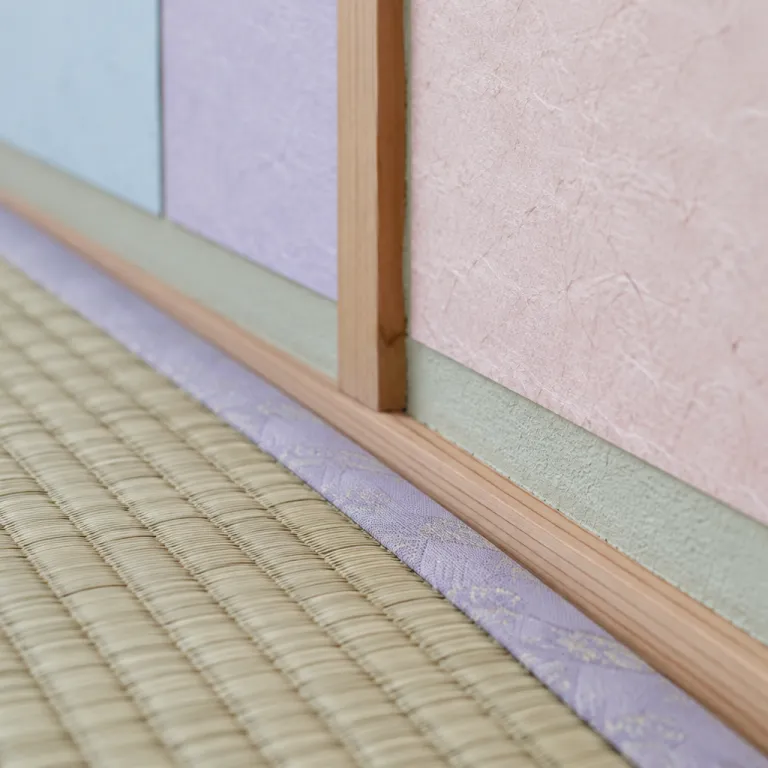
Gion remains the emblematic district for traditional Kyoto experiences. Here, a guest house or Kyoto hostel often occupies a narrow wooden townhouse, with sliding shoji screens, tatami floors, and low tables that encourage slower evenings. These traditional spaces contrast with the neon of the modern city, yet they usually still offer free WiFi and modern bathrooms discreetly tucked behind wooden doors.
When you search for the best hostels in Gion, pay attention to how each property describes its Japanese style rooms. Some Kyoto hostels provide futon bedding rolled out nightly on tatami, while others mix Western beds with traditional décor, which can be more comfortable for guests unused to sleeping on the floor. Reading recent guest comments before you check availability helps you understand whether the atmosphere feels serene, social, or occasionally noisy.
Many travelers choose a guest house in Gion for the chance to walk quiet streets at dawn. A hostel address near Shirakawa canal or Kennin ji temple lets you step outside before breakfast and see stone lanes almost empty, which feels rare in Kyoto during peak seasons. In the evening, you can return to your lodging on foot after a performance at Gion Corner or a kaiseki dinner.
Dietary preferences now influence where many visitors stay. If you follow a plant based diet, consult this focused resource on Kyoto vegan restaurants and how to choose the best hotel location before you finalize your Kyoto hostels shortlist. Matching your hostel or hotel to nearby vegan friendly restaurants can make your stay smoother, especially after long days exploring temples.
Some of the best hostels and guest houses in Gion offer cultural activities. You might find tea tastings, calligraphy workshops, or guided walks that explain the etiquette of the geiko and maiko districts, which deepens your understanding of Kyoto beyond its postcard views. When you complete your booking, check whether these experiences require advance reservations, because places are often limited.
Higashiyama hideaways with views, cafés, and calm streets
Higashiyama stretches south from Gion along the eastern hills of Kyoto. This area suits travelers who want Kyoto hostels that feel tucked away, yet still within a short minute walk of major temples like Kiyomizu dera and Kodai ji. Many hostels and small hotels here sit on narrow lanes where cars rarely pass, so evenings remain quiet even when the city center feels busy.
Some Higashiyama hostels and small hotels offer a memorable view from shared lounges or rooftop terraces. You might sip tea while looking across Kyoto city toward the distant Arashiyama hills, or watch the lights of Yasaka Pagoda glow after sunset. When you check availability, study photos carefully to confirm whether the advertised view comes from dorms, private rooms, or only from a common area.
Cafés and small restaurants cluster along Ninenzaka and Sannenzaka. Choosing a Kyoto hostel within a five to ten minute walk of these streets means you can slip out for a late dessert or an early coffee before the tour groups arrive. The best hostels in this pocket of Kyoto often partner with nearby cafés to offer simple breakfasts, which can be more appealing than cooking in a shared kitchen every morning.
Well known names like Len Kyoto Kawaramachi and Piece Hostel Kyoto usually appear in searches, even if their exact addresses sit slightly outside Gion and Higashiyama. These properties have built reputations for good design, social spaces, and consistently strong free WiFi, which explains why many travelers consider them among the Kyoto best options for hostel style stays. When comparing Len Kyoto, Piece Hostel, and smaller Higashiyama guest houses, weigh whether you prefer a livelier bar and café scene or the quiet of a traditional lane.
If you are curious about riverside neighborhoods beyond the eastern hills, explore this in depth look at Arashiyama riverside stays inspired by the Yusai Tei gallery experience. You can then decide whether to split your Kyoto stay between a Higashiyama hideaway and a night beside the Katsura River, which offers a different perspective on city life. Balancing these contrasting districts often results in a richer overall experience of Kyoto hostels and hotels.
Practical checks: WiFi, facilities, and what “free” really means
Before you confirm any Kyoto hostel, a careful check of facilities prevents disappointment. Pay close attention to how the property describes free WiFi, free breakfast, or free amenities, because the word free sometimes hides conditions such as limited hours or specific room types. Reading the fine print on your booking page takes only a few minutes but can significantly improve your stay.
WiFi quality varies widely across Kyoto hostels, especially in older buildings. Look for recent reviews that mention both speed and stability, and be wary if guests repeatedly complain about weak signals in dorms or certain rooms. If you plan to work remotely from Kyoto, send a direct message to the hostel team asking whether they have a dedicated workspace or only casual seating in the lounge.
Bathrooms and showers deserve equal scrutiny. Some of the best hostels in Kyoto city offer a mix of shared and private facilities, with clear cleaning schedules posted in common areas, which helps maintain hygiene during busy periods. If privacy matters to you, filter your search for properties that provide en suite rooms, even if they cost slightly more than standard dorms.
Luggage storage policies can influence how you structure your days. Many Kyoto hostels allow guests to leave bags before check in or after check out, but some charge small fees or limit hours, which can affect early arrivals from Kyoto station or late departures to Kansai Airport. Always check availability for these services in advance, especially during peak travel weeks when storage rooms fill quickly.
Finally, verify what kind of kitchen or dining space is available. A guest house or star hostel style property with a well equipped kitchen lets you prepare simple meals, which can offset the cost of staying in central Kyoto city. If you prefer to eat out, choose a hostel or hotel within a short minute walk of convenience stores and local restaurants, so you are not dependent on vending machines for late night snacks.
Safety, etiquette, and travel insurance for Kyoto hostel stays
Kyoto ranks among the safer cities in Japan, yet thoughtful habits still matter. When you stay in dorms, always use the lockers provided and avoid leaving valuables on beds or in open bags, even in the best hostels with friendly atmospheres. A small padlock and a discreet money belt can make your Kyoto hostels experience more relaxed.
Local etiquette shapes how comfortable you and others feel. In many Kyoto hostel common areas, guests speak softly after 22.00, remove shoes at the entrance, and keep shared kitchens tidy, which reflects broader norms across Japan. If you are unsure about a rule, a quick check with staff usually brings a polite explanation and sometimes helpful local tips.
Travel insurance remains essential, even in a city as orderly as Kyoto. A comprehensive policy should cover medical care, trip interruption, and the theft or loss of personal items, which becomes especially relevant when you share rooms with strangers in hostels across the city. When you compare policies, check whether they explicitly include hostel stays, because some basic plans focus only on hotel style accommodation.
Solo travelers often ask whether mixed dorms feel safe. In most Kyoto hostels, staff monitor entrances, use key cards for floors or rooms, and maintain reception coverage late into the night, which helps create a secure environment. If you prefer extra privacy, choose female only dorms or small private rooms in a guest house or star hostel property.
Respect for neighbors extends beyond the hostel walls. In Gion and Higashiyama, many traditional wooden buildings stand close together, so loud conversations on the street can disturb residents late at night, even if your own hotel or hostel feels lively inside. Keeping voices low as you return from bars or restaurants helps maintain the delicate balance between tourism and daily life in Kyoto city.
How to read reviews and compare Kyoto best hostel options
Online reviews can feel overwhelming when you first research Kyoto hostels. To make sense of them, focus on patterns rather than isolated complaints, especially regarding cleanliness, WiFi reliability, and staff helpfulness, which strongly influence your overall stay. A property with consistently good comments over many months usually proves more reliable than a new place with only a handful of perfect scores.
When you scan reviews, separate feedback from dorm guests and private room guests. Dorms might receive lower scores for noise, while private rooms in the same building earn praise for comfort and quiet, which matters if you are choosing between these room types. Pay attention to mentions of Kyoto station access, minute walk distances to key sights, and whether the surrounding streets feel safe at night.
Comparing well known names like Piece Hostel Kyoto, Len Kyoto Kawaramachi, and various star hostel style properties can help you understand different approaches. Piece Hostel Kyoto often appeals to design conscious travelers who value social spaces and efficient layouts, while Len Kyoto attracts guests who enjoy an active café and bar scene integrated into their hostel. Smaller guest house addresses and traditional townhouses, by contrast, prioritize intimacy and a sense of living inside Kyoto rather than simply visiting.
Price alone rarely tells the full story. A slightly higher nightly rate at one of the best hostels may include free WiFi, breakfast, and laundry discounts, which can reduce your total cost over several nights in Kyoto city. When you check availability and complete your booking, calculate the overall value of each option, not just the base room price.
Finally, remember that your priorities may differ from other reviewers. If you care most about a quiet night, prioritize comments about noise levels over praise for social events, even in highly rated hostels across Kyoto. By aligning your personal preferences with the detailed experiences shared by previous guests, you can choose the Kyoto best hostel or hotel for your own style of travel.
Key figures for Kyoto hostels and accommodation
- Kyoto welcomes tens of millions of domestic and international visitors in a typical year, which keeps demand for hostels and hotels consistently high across all seasons (based on Kyoto City Tourism Association visitor statistics).
- Occupancy rates for Kyoto city accommodation often climb sharply during peak cherry blossom and autumn foliage periods, so travelers should check availability several months in advance for Gion and Higashiyama stays (as indicated by Japan Tourism Agency lodging utilization reports).
- Hostels and guest houses represent a significant share of registered accommodation facilities in Kyoto, reflecting a strong budget and mid range segment alongside traditional ryokan and full service hotels (summarized from Kyoto Prefecture lodging surveys).
- Typical dorm bed prices in Kyoto hostels commonly range from around 2,500 to 4,500 yen per night, while simple private rooms often start near 6,000 to 9,000 yen, depending on location and season (aggregated from major online travel agency listings at the time of writing).
- Most Kyoto hostels now advertise free WiFi, but user reviews show that satisfaction with speed and stability varies, highlighting the need to read recent comments carefully (drawn from independent accommodation review analyses).
Frequently asked questions about Kyoto hostels
Are Kyoto hostels safe for solo travelers ?
Kyoto hostels are generally safe for solo travelers, including women, thanks to low crime rates and common security measures such as key card access, lockers, and staffed receptions. Choosing well reviewed properties in central areas like Kyoto station, Gion, or Higashiyama further enhances safety. For extra peace of mind, select female only dorms or private rooms and use travel insurance that covers theft or loss.
How far in advance should I book a Kyoto hostel ?
For cherry blossom and autumn foliage seasons, you should book Kyoto hostels at least two to three months in advance, especially in popular districts like Gion and near Kyoto station. Outside peak periods, one to four weeks usually suffices, but last minute availability can still be limited for the best hostels. Always check availability across several dates and properties to find a balance between price and location.
What is the difference between a Kyoto hostel and a guest house ?
A Kyoto hostel typically offers dorms, shared facilities, and a social atmosphere, while a guest house often has fewer rooms, a more intimate feel, and sometimes stronger emphasis on traditional architecture. Both can provide private rooms and free WiFi, so the distinction mainly lies in scale and style rather than strict rules. Reading descriptions and reviews helps you decide which environment suits your stay in Kyoto Japan.
Do Kyoto hostels provide towels, toiletries, and other amenities ?
Many Kyoto hostels provide basic amenities such as towels, shampoo, and body soap, but policies vary, and some charge small rental fees for towels or sell amenity sets at reception. When you complete your booking, check the facilities list carefully to avoid surprises on arrival. Packing a lightweight travel towel and small toiletries remains a good idea, especially if you plan to move between multiple hostels Kyoto wide.
Is it worth staying near Kyoto station or in Gion for a first visit ?
Staying near Kyoto station offers excellent transport connections for day trips and easy airport access, making it practical for short stays or busy itineraries. Gion and Higashiyama, by contrast, immerse you in traditional streets and evening atmospheres, which many first time visitors find unforgettable. A common strategy is to split your stay between both areas, using Kyoto hostels or small hotels in each district to experience different sides of Kyoto city.