Tenryuji koto: staying by Tenryu-ji temple and the Arashiyama riverside
Understanding Tenryuji koto and riverside Arashiyama for your stay
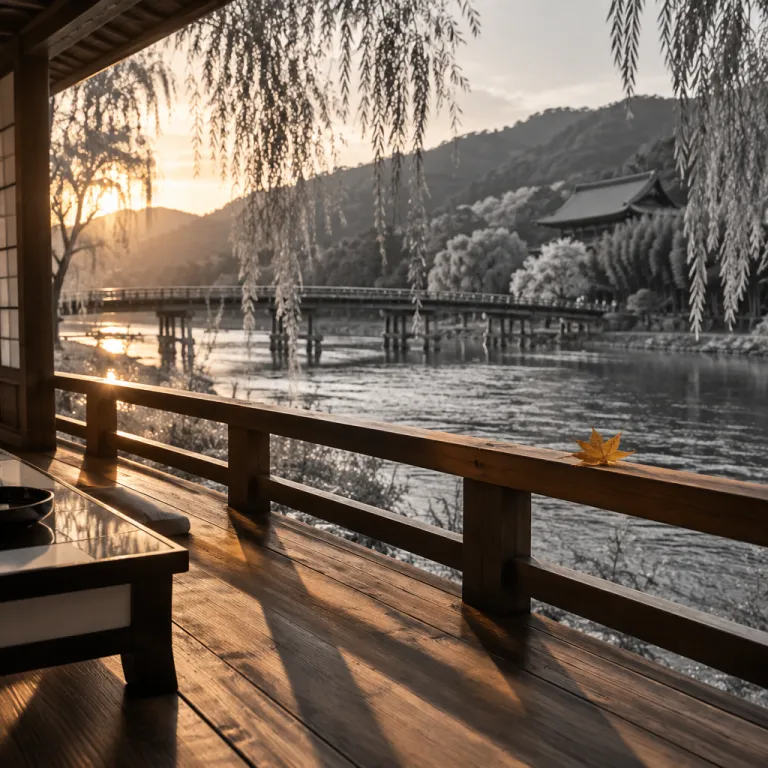
Tenryuji koto evokes the relationship between Tenryu-ji temple, the koto zither, and the quiet rhythm of riverside Arashiyama. When you choose a hotel in Kyoto near this area, you are effectively booking into a living composition where the Katsura River, the Rinzai Zen heritage, and the surrounding streets all play a part. Many travellers only see Tenryu-ji as a quick stop, yet staying nearby lets you feel how the temple’s atmosphere changes from early morning to lantern-lit evening.
Tenryu-ji temple is the head temple of the Tenryu branch of Rinzai Zen Buddhism, and it anchors the whole Saga Arashiyama district both spiritually and visually. Recognised as a UNESCO World Heritage Site and part of the “Historic Monuments of Ancient Kyoto”, this Tenryuji temple complex is framed by the borrowed scenery of Arashiyama’s forested hills, which means that hotel rooms with mountain or garden views often echo the same layered silhouettes you see from the temple’s Hōjo hall. When you read the phrase koto Tenryuji or Tenryuji koto in travel guides, it usually points to this harmony between architecture, landscape, and the gentle, string-like flow of the Katsura River.
For someone comparing hotel options in Kyoto, the key figure to watch is not only the nightly price but also the walking distance to Tenryu-ji and the riverbank. A stay within about 500 to 800 metres lets you reach the temple’s south gate in under ten minutes, which is ideal if you want to visit the Zen garden at opening time before tour groups arrive. This proximity also makes riverside strolls effectively free, turning the surrounding streets, small restaurant choices, and evening views into part of the product you are purchasing when you reserve a room.
Riverside escapes in Saga Arashiyama: where to sleep for Tenryu-ji
The Saga Arashiyama riverside is one of Kyoto’s most atmospheric places to stay, especially if Tenryuji koto is shaping your itinerary. Hotels along the Katsura River offer a front-row seat to the changing light on the water, while still keeping you close to Tenryu-ji temple, the bamboo grove, and the small streets that wind toward the hills. When you compare properties, look for rooms that face either the river or the temple side, because both directions give you a different version of the same Rinzai Zen calm.
Some riverside hotels in Kyoto provide complimentary access to small guest lounges that overlook the water, which effectively adds a free extra living room to your stay. Others include simple original touches, such as koto music playing softly in the lobby or framed prints of the temple gardens, which subtly reinforce the Tenryuji koto theme without feeling like a souvenir shop. If you plan to arrive early, check whether the hotel allows a pre check-in for luggage, because dropping your bags before the official time lets you walk straight to Tenryuji and the riverbank without delay.
When you weigh price against location, remember that a slightly higher nightly rate beside the river can reduce your transport costs and time. You will likely walk to Tenryu-ji temple, the bamboo grove, and the nearby Ōi River boat pier, rather than paying for taxis or multiple train rides. For a deeper look at how the bamboo grove should influence your accommodation choice, study this detailed guide on how Arashiyama’s bamboo grove in Kyoto should shape your hotel choice, then cross-check those insights with your preferred riverside addresses.
How Tenryu-ji’s Zen heritage shapes daily life around your hotel
Staying near Tenryu-ji means your mornings and evenings are framed by a working Rinzai Zen temple rather than a static monument. The temple complex is part of Kyoto’s UNESCO heritage landscape, yet it still functions as a place of practice, which subtly influences the rhythm of nearby streets, shops, and small restaurant spaces. When you step out from your hotel at dawn, you often find delivery bicycles, monks in simple robes, and gardeners tending moss, all of which feel like moving figures in a carefully composed scene.
Tenryu-ji’s Sogenchi garden is one of the earliest examples of a landscape designed to be viewed from a single tatami room, and that design principle can guide how you evaluate hotel rooms. Ask yourself whether the room’s main window offers a coherent view, whether of the river, a courtyard, or Kyoto’s low rooftops, because that framed outlook becomes your personal heritage site during the stay. In this sense, the hotel room is not just a product with a price; it is a distinct character in your travel story, shaping how you remember Tenryuji koto long after you leave.
Many properties near Saga Arashiyama now present small information cards about Tenryu-ji temple, the Rinzai Zen tradition, and the wider Tenryu river system, which helps guests connect the dots between landscape and history. Some even offer pre-order options for early morning temple tickets or guided walks, so you can secure your preferred time slot before arrival. When you review these options, treat them as viewed products in an online catalogue, weighing each booking decision against how much extra depth it adds to your understanding of Tenryuji and its surroundings.
Rooms, price ranges, and what you really pay for near Tenryu-ji
Room categories around Tenryu-ji and the wider Kyoto west side span a broad range, from compact Western-style doubles to expansive tatami suites with river views. The headline price often reflects not only room size but also how closely the view aligns with the Tenryuji koto ideal of water, hills, and temple roofs in quiet balance. When you compare options, read the room descriptions carefully, because terms like “river view”, “garden side”, or “temple approach” can signal very different experiences.
Some hotels structure their products like a clear series of versions, where a standard room is the base product and higher categories add layers such as a private open-air bath or a balcony facing Saga Arashiyama. Think of these as original pieces in a carefully curated collection, where each upgrade changes the character of your stay rather than just adding square metres. If you are sensitive to noise, consider rooms that face inner courtyards instead of the main street, because tour buses and delivery vehicles can be active near Tenryuji temple during peak hours.
While you will not find literal free shipping in a hotel booking, you can look for value that feels similar to free extras. Breakfast included, late check-out, or complimentary access to a riverside lounge can offset a higher nightly rate, especially if you would otherwise pay for separate café visits or co-working spaces. For a nuanced comparison of staying in a ryokan, a machiya townhouse, or a conventional hotel in Kyoto, consult this in-depth overview of what each Kyoto stay actually feels like at night, then map those insights onto the specific Tenryu-ji area.
Food, small products, and the subtle commerce around Tenryu-ji
The streets between Tenryu-ji and the river host a compact ecosystem of cafés, tea houses, and restaurant options that serve both pilgrims and hotel guests. Many of these places offer simple set menus built around seasonal Kyoto vegetables, tofu, and river fish, which pair beautifully with a slow afternoon walk along the water. When you choose a hotel, check whether it has its own restaurant or bar, or whether it instead encourages guests to explore the surrounding lanes for dinner.
Souvenir shops near Tenryuji temple often sell a mix of mass-produced items and more original products, and it pays to look closely. You may see Tenryuji koto themed goods, such as postcards showing a koto player in front of the Hōjo hall, or small figurines that depict the temple garden in different seasons. Treat each item as a potential purchase, and ask yourself whether it reflects the distinctive character of the place or simply repeats a generic Kyoto motif.
Online, some retailers list Tenryu-ji related items as part of a pop parade of temple-themed goods, sometimes with pre-order periods and promises of free shipping for certain price thresholds. While these products can be charming, the most meaningful connection to Tenryuji koto usually comes from experiences rather than objects, such as a quiet tea in a riverside café after the crowds thin. In that sense, the rights reserved notices on commercial websites feel distant compared with the open, almost free feeling of sitting by the river and listening to the water move past Saga Arashiyama.
Planning, timing, and making Tenryuji koto the centre of your Kyoto stay
To make the most of a Tenryu-ji focused trip, plan your hotel booking around the times when the temple and riverside are quietest. Early mornings on weekdays usually offer the calmest conditions, with soft light on the pond and relatively few tour groups, which means staying within walking distance becomes a practical advantage rather than a luxury. If you can, arrange your arrival so that your first full day in Kyoto begins with Tenryu-ji and the river, then expands outward to other districts.
When you browse hotel websites, pay attention to how they present Tenryu-ji, the Rinzai Zen tradition, and the wider Tenryu river system in their descriptions. Properties that treat these elements as more than marketing often provide better guidance on walking routes, restaurant reservations, and seasonal events, effectively acting as a local concierge for the Saga Arashiyama area. Use the “viewed products” or recently viewed rooms function on booking platforms to keep track of candidates, then compare not only price but also how each option supports your Tenryuji koto priorities.
Some travellers like to pre-order specific experiences, such as a guided Zen meditation session, a kaiseki dinner featuring Kyoto vegetables, or a private boat ride on the Ōi River, all of which can be arranged through certain hotels. Think of your itinerary as a carefully tuned koto, where each activity is a string that must be balanced against the others to create a coherent whole. By centring Tenryu-ji temple, the UNESCO heritage landscape, and the quiet power of Rinzai Zen practice, your riverside escape becomes more than a stay; it becomes the defining character of your entire journey.
Key figures and practical statistics for staying near Tenryu-ji
- Walking distance from many riverside hotels in Saga Arashiyama to Tenryu-ji temple ranges from about 300 to 900 metres, which typically means 4 to 12 minutes on foot for most guests.
- The Katsura River promenade near Tenryu-ji stretches for roughly 1.5 to 2 kilometres of easily walkable paths, allowing a relaxed 30 to 40 minute stroll without repeating the same views.
- Standard opening hours for Tenryu-ji are usually from 8:30 to 17:30 (shortened to around 17:00 in winter), with garden admission fees in the region of 500 to 600 yen per adult according to official temple information.
- Public transport from central Kyoto Station to Saga-Arashiyama by JR Sagano Line typically takes around 15 minutes of train time, with an additional 10 to 15 minute walk to reach Tenryu-ji from Saga-Arashiyama Station.
- Many mid-range hotels near Arashiyama offer rooms between roughly 18 and 30 square metres, while traditional-style suites with tatami and river views can extend to 40 square metres or more.
FAQ: staying near Tenryu-ji and the Arashiyama riverside
Is it better to stay near Tenryu-ji or in central Kyoto?
Staying near Tenryu-ji offers immediate access to the temple, the bamboo grove, and the riverside, which is ideal if you value quiet mornings and nature. Central Kyoto, around Kyoto Station or downtown, provides faster access to multiple subway lines, nightlife, and a wider range of restaurants. Many travellers split their stay, spending a few nights in Saga Arashiyama for Tenryuji koto and the rest in the city centre.
How early should I book a hotel near Saga Arashiyama?
For popular seasons such as cherry blossoms and autumn foliage, it is wise to book riverside hotels near Saga Arashiyama at least three to six months in advance. Smaller properties with limited rooms can sell out even earlier, especially those with prized river or garden views. Outside peak periods, you may still want to reserve four to eight weeks ahead to secure the best room types and price.
Are there many restaurant options within walking distance of Tenryu-ji?
The streets around Tenryu-ji and the nearby riverbank host a compact but varied selection of restaurants, cafés, and tea houses. You will find everything from casual noodle shops to refined kaiseki restaurants that highlight Kyoto vegetables and seasonal fish. Evening options can be more limited once day trippers leave, so asking your hotel to reserve a table in advance is often helpful.
Can I visit Tenryu-ji temple early in the morning from my hotel?
If you choose a hotel within about 10 to 15 minutes’ walk, reaching Tenryu-ji at opening time is straightforward. Many guests leave their hotel just after breakfast to enjoy the garden and buildings before tour buses arrive. This timing is one of the main advantages of staying in the Saga Arashiyama area rather than commuting from central Kyoto each day.
Is the Arashiyama riverside area suitable for families with children?
The riverside paths near Tenryu-ji are generally flat and stroller-friendly, and children often enjoy watching boats, birds, and seasonal events along the water. Some hotels provide family rooms or connecting options, and a few offer simple amenities such as rental bicycles with child seats. As always, parents should keep a close eye on children near the river edge, especially during busy weekends or after heavy rain.
References
- Kyoto City Tourism Association
- Japan National Tourism Organization
- Agency for Cultural Affairs, Government of Japan