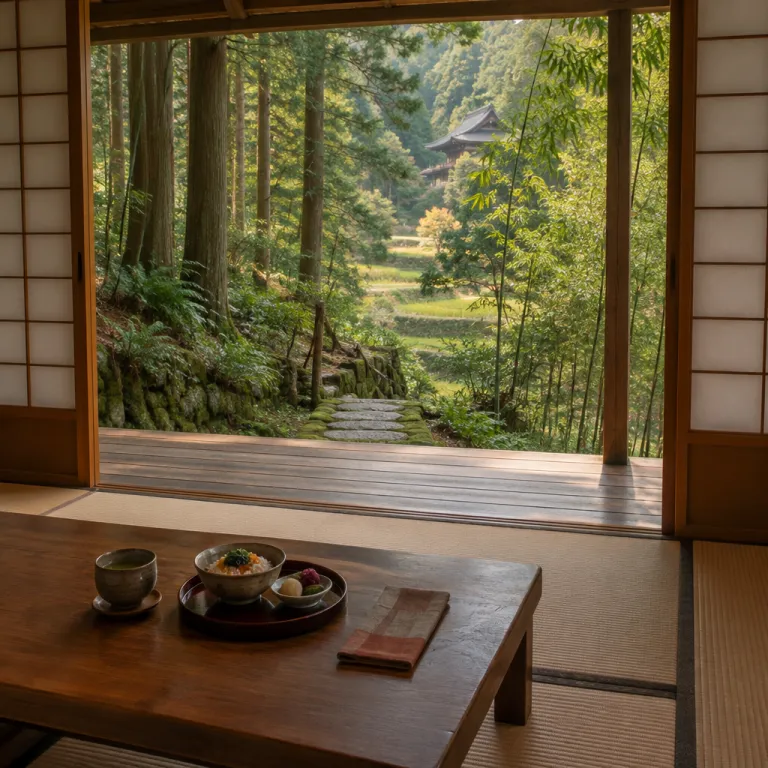
Why off the beaten path Kyoto begins in the northern hills
Kyoto rewards travelers who step away from the usual beaten path. When you look beyond the main sights, lesser-known corners of the city reveal quiet valleys, cedar forests, and mountain villages that feel a world away from Kyoto Station. These northern retreats in Kurama and Ohara suit travelers who want calm nights yet easy access to the city’s most important temple and shrine districts.
Many visitors rush through a day trip, ticking off things Kyoto is famous for, then return to crowded areas near Gion or Nijo Castle. If you stay overnight in the mountains, your Kyoto travel experience changes completely because you gain slow mornings, empty paths, and time to walk between small shrines without tour groups. This kind of itinerary lets you enjoy both the refined culture of Japan and the rural rhythm that shaped Kyoto’s hidden valleys for centuries.
Think of Kurama and Ohara as a parallel Kyoto, where the main hall of a modest temple might move you more than the vast spaces of Fushimi Inari Taisha. You still reach central Kyoto by train or bus in under an hour from these places, so you never feel isolated from Japan travel infrastructure. Yet at night you hear rivers and bamboo groves instead of traffic near Kyoto Station or the busy streets around Yasaka Shrine.
Kurama: mountain temples, hot springs, and forest walks
Kurama lies north of Kyoto, reached by the Eizan Railway’s Kurama Line from Demachiyanagi Station that follows a wooded valley. This is where the quieter side of Kyoto becomes tangible, as the crowds thin and cedar-covered slopes rise steeply above the tracks. Trains usually run two to four times an hour in the daytime, and when you arrive, the main street feels like a small Japanese village, with traditional inns, wooden houses, and a calm that contrasts sharply with the bustle near Nishiki Market.
The highlight is Kurama-dera, a temple complex strung along a forested ridge, whose main hall looks out over layers of mountains. You ride a short funicular or walk up stone steps through towering trees, then continue along a beaten track that links Kurama to Kibune, passing small inari shrine buildings and mossy stone lanterns. This walk offers one of the most atmospheric things Kyoto can provide to hikers, especially when mist hangs in the valley or light snow dusts the bamboo forest edges.
After a long day of walking, many travelers choose a ryokan with onsen-style baths, such as Kurama Onsen or smaller family-run inns, turning Kurama into more than a simple day trip from Kyoto. Soaking in hot spring water while listening to the river is a very different way to experience Japan than queuing at the main gate of Fushimi Inari or Nijo Castle. If you plan your itinerary carefully, you can visit central Kyoto sights by day, then return to Kurama for quiet evenings and traditional Kyoto-style meals featuring local vegetables and river fish, with typical half-board rates ranging from mid-range to higher-end budgets depending on season.
Ohara: rural temples, gardens, and slow travel stays
Ohara sits northeast of central Kyoto, surrounded by rice fields and low hills that glow during the cherry blossom season. Buses from Kyoto Station or the area near Gion make the journey in under an hour, yet the atmosphere feels far from the city’s main tourist routes. This is off the beaten path Kyoto at its most serene, ideal for travelers who want to stay in a small inn and wake to the sound of temple bells.
Sanzen-in, the best known temple in Ohara, has a graceful main hall overlooking moss gardens dotted with stone statues and shaded by maple trees. Smaller temples nearby, including Hosen-in and Jikko-in, offer tatami rooms where you sit with matcha while viewing carefully framed gardens that change color through the day. These places show another side of Japan travel, where the focus is on stillness, seasonal beauty, and the subtle details of wooden architecture rather than on vast castle walls or crowded shrine approaches.
Staying overnight in Ohara lets you walk quiet lanes at dusk, when day trip visitors have gone and only local residents remain. You can follow narrow paths past vegetable plots, small inari shrine structures, and stretches of bamboo groves that feel like a rural echo of the famous Arashiyama bamboo forest. Many inns, such as simple minshuku and small ryokan near Sanzen-in, serve Kyoto-style rice bowls topped with mountain vegetables, giving you a taste of regional Japanese cuisine that differs from the restaurants near Nishiki Market or Kyoto Station, with prices that often sit below central-city dinner menus.
Balancing central Kyoto icons with hidden mountain retreats
Choosing a hotel in Kyoto often means deciding between central convenience and the calm of off the beaten path Kyoto areas like Kurama and Ohara. A smart itinerary balances both, with several nights near Kyoto Station or Gion and at least one or two nights in the mountains. This approach lets you visit headline sights such as Fushimi Inari Taisha, Nijo Castle, and Yasaka Shrine while still enjoying quieter places that feel like Kyoto hidden sanctuaries.
On your city-based days, you might start early at Fushimi Inari, walking through the famous torii gates before the main crowds arrive at the inari shrine complex. Later you can continue to Nijo Castle, Nishiki Market, or the wooden streets of Gion, then return by train to your central hotel in time for dinner. These are the classic things Kyoto offers every visitor, and they remain essential even for travelers who prefer a beaten path alternative in the evenings.
Once you shift to Kurama or Ohara, your rhythm changes and your Japan guide priorities become different. Instead of rushing between a castle and a shrine, you might spend a whole day on a single forest walk or in one temple garden, watching how the light moves across the main hall veranda. This slower style of Japan travel gives you time to notice hidden gems, from small bamboo groves behind farmhouses to local inari taisha offshoots that rarely appear in standard Kyoto travel brochures.
How to choose your Kyoto hotel for an offbeat mountain stay
When selecting accommodation for an off the beaten path Kyoto experience, start by deciding how many nights you want in Kurama or Ohara. Two nights in the mountains and three nights in central Kyoto usually give enough time to enjoy both famous landmarks and quieter retreats. This balance works well for travelers who want to visit major temple and shrine sites while still sleeping in peaceful places away from the busiest streets.
In Kurama, look for traditional inns with onsen baths and easy access to the trail that links the temple complex to Kibune, because this beaten track is one of the most rewarding walks near Kyoto. In Ohara, prioritize small properties within walking distance of Sanzen-in and other temples, so you can reach the main hall areas early in the day before tour buses arrive. Always check bus schedules from Kyoto Station and Gion, since reliable transport will determine how easily you can combine city sightseeing with mountain relaxation.
Food matters as much as location, especially if you want to taste regional Japanese cuisine rather than generic hotel menus. Many Kurama and Ohara inns serve seasonal kaiseki or Kyoto-style rice bowls using local produce, which can be more memorable than meals near Nishiki Market during peak hours. If you follow a plant-based diet, consult a specialist Kyoto vegan and hotel location guide, such as the one on stay in Kyoto, to align your Japan travel plans with both dining needs and access to off the beaten path Kyoto neighborhoods.
Seasonal magic: when to stay in Kurama and Ohara
Season shapes every off the beaten path Kyoto stay, especially in the northern hills. Spring brings cherry blossom to riverbanks and temple approaches, while fresh green leaves brighten the bamboo forest edges and cedar slopes. Autumn transforms Kurama and Ohara into a tapestry of red and gold, making even a simple walk between shrines feel like a scene from a classic Japan guide.
In spring, consider spending a night in Ohara so you can visit Sanzen-in and nearby temples early, when cherry blossom petals drift across moss gardens and the main hall verandas remain quiet. Later that same day, you can return to central Kyoto for an evening stroll through Gion or a visit to Yasaka Shrine, enjoying the contrast between rural calm and city lights. This pattern of alternating mountain mornings and urban nights is one of the most satisfying things Kyoto offers to thoughtful travelers.
Summer stays in Kurama are cooler than in the city, thanks to higher elevation and dense bamboo groves along the valley. You can walk shaded paths, soak in hot springs after dark, and avoid the most intense heat that often lingers around Kyoto Station and Nijo Castle. In winter, snow sometimes dusts temple roofs and inari shrine gates, turning Kurama and Ohara into quiet hidden gems that reward those who embrace a slower, more contemplative style of Japan travel.
Key figures for off the beaten path Kyoto stays
- Kyoto receives more than 50 million domestic and international visitors each year, yet Kurama and Ohara account for only a small fraction of total arrivals, which helps keep these areas relatively quiet compared with central districts such as Gion and the surroundings of Kyoto Station.1
- Travel times from Kyoto Station to Kurama average around 30 to 40 minutes by train and transfer, while buses to Ohara usually take about 50 to 60 minutes, making both areas realistic options for a day trip or a split stay that combines city and mountain nights.2
- Major attractions like Fushimi Inari Taisha and Nijo Castle can see tens of thousands of visitors on peak days, whereas many Kurama and Ohara temple sites receive far fewer guests, giving travelers more space and time to appreciate gardens, main hall interiors, and forest walks.3
- Average walking distances on popular Kurama to Kibune trails range from 3 to 5 km, which suits most reasonably fit travelers and allows enough time to enjoy bamboo groves, small inari shrine structures, and panoramic views without rushing.4
FAQ: planning your Kurama and Ohara hotel stay
Is it better to stay in Kurama or Ohara for a first visit ?
Kurama suits travelers who value hot springs, forest walks, and easy access to a single ridge-top temple complex, while Ohara appeals to those who prefer multiple gardens, rural scenery, and a slightly broader choice of small inns. For a first stay focused on off the beaten path Kyoto, Kurama feels more compact and atmospheric, whereas Ohara offers more variety in temple visits and countryside walks. Both connect reasonably well to Kyoto Station, so your choice depends mainly on whether you prioritize onsen baths or garden hopping.
How many nights should I spend in Kurama or Ohara ?
One night allows you to experience evening and early morning calm, which already transforms your impression of these areas compared with a simple day trip. Two nights give enough time to walk local trails, visit several temples, and still include central Kyoto highlights such as Fushimi Inari Taisha, Nijo Castle, or Yasaka Shrine. Many travelers find that three nights in the city and two nights in the mountains create a balanced itinerary for a first Japan travel experience focused on Kyoto.
Can I visit Kurama and Ohara without renting a car ?
Yes, both Kurama and Ohara are accessible by public transport from Kyoto Station and central districts like Gion. Trains on the Eizan Railway run regularly to Kurama via Demachiyanagi, while buses link Ohara with the city, though evening services are less frequent, so you should always check the latest schedules. For most visitors, using trains and buses fits well with a low-stress, off the beaten path Kyoto itinerary that emphasizes walking and slow travel.
Are Kurama and Ohara suitable for families with children ?
Families who enjoy nature, walking, and quiet evenings usually find Kurama and Ohara very rewarding. Trails around Kurama include some steep sections and steps, but many school-age children manage them comfortably, especially with breaks at viewpoints and small shrines. Ohara’s relatively flat lanes, rice fields, and compact temple gardens can be easier for younger children, making it a gentle introduction to rural Japan near Kyoto.
What should I pack for a stay in the Kyoto northern hills ?
Comfortable walking shoes, a light waterproof jacket, and layers for cooler evenings are essential, since weather in Kurama and Ohara can feel fresher than in central Kyoto. In spring and autumn, temperatures change quickly through the day, so a flexible wardrobe helps you enjoy both temple visits and forest walks. If you plan to use hot spring baths, bring modest swimwear or follow local customs for nude bathing, depending on the rules of your chosen inn.