Why the Kurama fire festival date on October 22 shapes your Kyoto stay
The Kurama fire festival date on October 22 transforms a quiet mountain village into one of the most intense ritual nights in Kyoto. On this single evening, Kurama no Hi Matsuri turns kurama fire rituals, blazing torches, and a dense procession of locals into a spectacle that reshapes how you should plan both travel and hotel reservations in Kyoto city. If you are serious about experiencing this fire festival in Japan, you must align your accommodation strategy with the timing of the parade and the late return trains.
Locals refer to the event as a matsuri, and the full name of the fire festival is Kurama no Hi Matsuri, held around Yuki Shrine and Yuki Jinja. The festival procession moves from the sanmon gate of the local jinja shrine area through narrow streets in Kurama town, with families carrying small torches first, followed by men bearing enormous ones. One Kyoto innkeeper describes the moment the first flames appear as “like the mountain itself is waking up,” a sensory shift that explains why hotels near Kyoto station and in central districts sell out quickly when the Oct 22 Kurama festival coincides with peak autumn leaves in northern Kyoto.
Many visitors pair this Kurama festival experience with other Kyoto events such as the imperial themed jidai matsuri in Kyoto city. The jidai matsuri parade starts near the Kyoto Imperial Palace and ends at Heian Shrine, so the combination of jidai and Kurama fire celebrations creates a compressed calendar of major events. When both the jidai matsuri and Kurama no Hi Matsuri fall close together in October, you should expect higher room rates and limited availability across Japan’s most popular cultural capital.
Getting from Kyoto station to Kurama station on festival night
Reaching Kurama station from Kyoto station on the Kurama fire festival date of October 22 requires careful timing. The usual route uses the Eizan Electric Railway, often called the eizan electric line, which connects Demachiyanagi in Kyoto city with the small mountain terminus in Kurama town. On the night of the fire festival, this railway to Kurama runs packed trains, and platforms can feel as crowded as major urban hubs in Japan.
From Kyoto station you first take a regular train or subway to Demachiyanagi, then transfer to the electric railway that climbs into the forested valley. Because the Kurama fire festival draws both domestic travel enthusiasts and international visitors, announcements on the eizan electric trains are usually in Japanese with limited English support. If you are not comfortable reading kanji, consider printing a simple route map that highlights Kyoto station, Demachiyanagi, and Kurama station, especially for the late return after the torches are extinguished.
On Thursday October evenings when the festival falls on a weekday, commuters mix with Kurama festival crowds, making some departures extremely congested. Trains toward Kurama town in the late afternoon are busiest, as visitors aim to reach Yuki Shrine before the first small torches are lit in front of the houses. For a deeper look at off the beaten path lodging options that work well with this railway Kurama access, see this guide to stays in Kurama and Ohara for discerning travelers, which aligns perfectly with the needs of festival focused guests.
Transport & timetable snapshot
• Line: Eizan Electric Railway from Demachiyanagi to Kurama (about 30 minutes, roughly 12 km).
• Typical frequency: around 3–6 trains per hour in the daytime, fewer late at night (check the latest timetable and last-train details on the official Eizan Electric Railway website).
• Planning tip: allow at least one hour each way from Kyoto station, including transfers and crowd related delays.
Inside the Kurama fire festival procession and what it means for guests
The heart of Kurama no Hi Matsuri on October 22 is the dramatic procession that surges through the narrow lanes of Kurama town. As dusk falls, families bring out small torches and line them in front of their homes, creating a lit front that turns the main street into a corridor of fire. Later in the evening, larger groups of men hoist massive torches and chant as they move toward Yuki Shrine and Yuki Jinja, where portable shrines called mikoshi await.
These mikoshi, or portable shrines, are carried through the crowd in a dense parade that can feel overwhelming if you are not prepared. The combination of kurama fire, smoke, and the close packed procession means that guests with small children or mobility issues should plan viewing spots carefully. Because the festival route passes near the sanmon gate area of the local jinja shrine complex, some visitors choose to watch from slightly elevated ground to avoid the tightest crush of the parade.
For hotel guests, the timing of the events is crucial, as the most intense fire festival scenes often unfold later in the evening. If you stay in central Kyoto, you must allow enough time to walk back from Yuki Shrine to Kurama station and still catch the last train on the Eizan Electric Railway. Those who book a small inn or traditional lodging in or near Kurama town can return on foot after the final torches are extinguished, enjoying the sudden quiet that settles over the mountain once the matsuri ends.
Choosing between Kyoto city hotels and mountain retreats in Kurama and Ohara
When planning around the Kurama fire festival date on October 22, your first major decision is whether to base yourself in Kyoto city or in the mountain retreats of Kurama and Ohara. Staying near Kyoto station offers unmatched convenience for wider travel across Japan, easy access to the jidai matsuri route, and straightforward connections to the Eizan Electric Railway. However, rooms near the main station often feel more urban and less atmospheric than the ryokan style properties scattered around Kurama town and the rural valleys of Ohara.
Mountain retreats in Kurama and Ohara place you closer to the fire festival itself, the forested trails, and the hot spring baths that feel especially soothing after a long night of watching torches and portable shrines. Many of these small properties offer traditional kaiseki dinners, tatami rooms, and views of autumn leaves that peak around late October, turning the hillsides crimson and gold. Guests who choose Kurama or Ohara often describe waking to mist over cedar forests rather than traffic outside Kyoto station, which changes the entire rhythm of a Kyoto stay.
If you prefer to balance city culture with nature, one strategy is to split your nights between central Kyoto and the mountains. You might spend earlier nights near Heian Shrine and the jidai matsuri parade route, then move to a retreat in Kurama town for the fire festival and a final day of hiking. For another perspective on riverside calm within the city, this overview of Arashiyama riverside stays shows how Kyoto’s different districts each offer their own version of retreat like tranquility.
Practical booking strategies for Kurama fire festival and autumn leaves
Because the Kurama fire festival date on October 22 falls during peak autumn leaves season, you should treat hotel reservations as time sensitive. Properties in Kyoto city, Kurama town, and Ohara often receive bookings months in advance from repeat visitors who plan their travel specifically around Kurama no Hi Matsuri and jidai matsuri events. If you wait until early October, you may find only small rooms at higher prices or locations far from both Kyoto station and the Eizan Electric Railway.
When comparing hotels, pay attention to last train times from Kurama station back toward Kyoto, especially on Thursday October evenings when weekday schedules apply. Some guests prefer to stay near Demachiyanagi or along the railway to Kurama, reducing transfer time after the fire festival and avoiding the busiest sections of Kyoto station. Others deliberately choose mountain retreats near Yuki Shrine or the sanmon gate area, accepting limited nightlife in exchange for walking access to the parade route and the chance to soak in hot springs immediately after the mikoshi procession.
Language support also matters, as not every small inn in Kurama or Ohara offers full English communication. Larger hotels in Kyoto city usually provide English speaking staff who can explain festival timings, train connections, and any last minute changes to events. If you rely on English for complex questions, consider at least one night in a city property where the front desk can help you interpret signage related to the fire festival, Yuki Jinja, and any special railway notices from the eizan electric operators.
Designing a refined Kyoto itinerary around Kurama, jidai matsuri, and shrines
Aligning your Kyoto itinerary with the Kurama fire festival date on October 22 allows you to weave together several of the city’s most atmospheric experiences. One elegant approach is to begin with quieter shrine visits in Kyoto city, such as early morning walks at Heian Shrine before the jidai matsuri crowds gather. You can then schedule a day trip to Kurama town for hiking and hot springs, returning later in the month for the full intensity of the fire festival itself.
On festival day, arrive in Kurama by train early enough to explore the paths above Yuki Shrine and the surrounding forests, then return to the village streets as the first small torches appear in front of wooden houses. As the sky darkens, the lit front of each property and the growing line of fire create a visual rhythm that feels very different from the formal parade of jidai matsuri in central Kyoto. Watching both the imperial themed jidai procession and the raw, close quarters Kurama fire spectacle in the same October trip gives you a layered understanding of how Japan balances courtly ceremony with local matsuri energy.
After the festival, many guests choose a final night either in a mountain retreat or back near Kyoto station, depending on their onward travel plans. Those heading deeper into Japan by shinkansen often prefer the convenience of a station side hotel, while others linger in Kurama or Ohara to enjoy quiet trails and the last of the autumn leaves. Whatever you choose, anchoring your plans around Kurama no Hi Matsuri and its precise date ensures that every shrine visit, train ride, and hotel stay supports the emotional arc of your Kyoto journey.
Key figures for planning a Kurama fire festival stay
- Kurama no Hi Matsuri typically attracts several thousand visitors in a single evening, which is significant for a small mountain village and explains why trains and streets feel extremely crowded (see Kyoto City Tourism statistics for current estimates).
- Autumn leaves in northern Kyoto, including Kurama and Ohara, usually reach their peak color from mid to late October, meaning the Kurama fire festival coincides with some of the busiest weeks for hotel occupancy in the region (based on Japan Meteorological Agency seasonal reports).
- The Eizan Electric Railway line from Demachiyanagi to Kurama covers roughly 12 kilometres in about 30 minutes, so you should allow at least one hour each way from Kyoto station when transfers are included (confirm details on the latest Eizan Electric Railway timetable).
- Average October daytime temperatures in Kyoto hover around 18–22 °C, while evenings in Kurama can drop below 10 °C, making layered clothing essential for standing outdoors during the long fire festival procession (Japan Meteorological Agency climate statistics).
- Major Kyoto city events such as jidai matsuri and the Kurama fire festival occur within the same month, contributing to some of the highest annual hotel occupancy rates in central Kyoto and surrounding mountain areas (see Kyoto Prefecture tourism statistics for updated figures).
For current year details on crowd management, recommended arrival times, and any schedule adjustments, consult the latest information from Kyoto City Tourism and the official Eizan Electric Railway timetable before you finalize hotel and train reservations.
FAQ about the Kurama fire festival and Kyoto hotels
How early should I book a hotel for the Kurama fire festival on October 22 ?
You should aim to book your Kyoto or Kurama accommodation several months before the Kurama fire festival date on October 22. Demand is driven both by the fire festival itself and by the peak season for autumn leaves, so last minute options are often limited or expensive. Early reservations give you better choices near Kyoto station, along the Eizan Electric Railway, or in small mountain retreats close to Yuki Shrine.
Is it better to stay in Kyoto city or in Kurama on festival night ?
Staying in Kyoto city offers easier access to other attractions, the jidai matsuri route, and onward train travel across Japan. However, a stay in Kurama town or nearby Ohara places you within walking distance of the fire festival procession, Yuki Jinja, and the sanmon gate area, which reduces stress about catching the last train from Kurama station. Many experienced travelers split their stay, using city hotels for sightseeing days and mountain retreats for the festival itself.
How do I reach Kurama from Kyoto station for the festival ?
From Kyoto station, take a local train or subway to Demachiyanagi, then transfer to the Eizan Electric Railway bound for Kurama. On the Kurama fire festival date, trains can be extremely crowded, so allow extra time and expect to stand during the journey. After the festival, return to Kurama station promptly, as the final departures toward Kyoto city leave shortly after the torches and portable shrines complete the procession.
What should I wear and bring to the Kurama fire festival ?
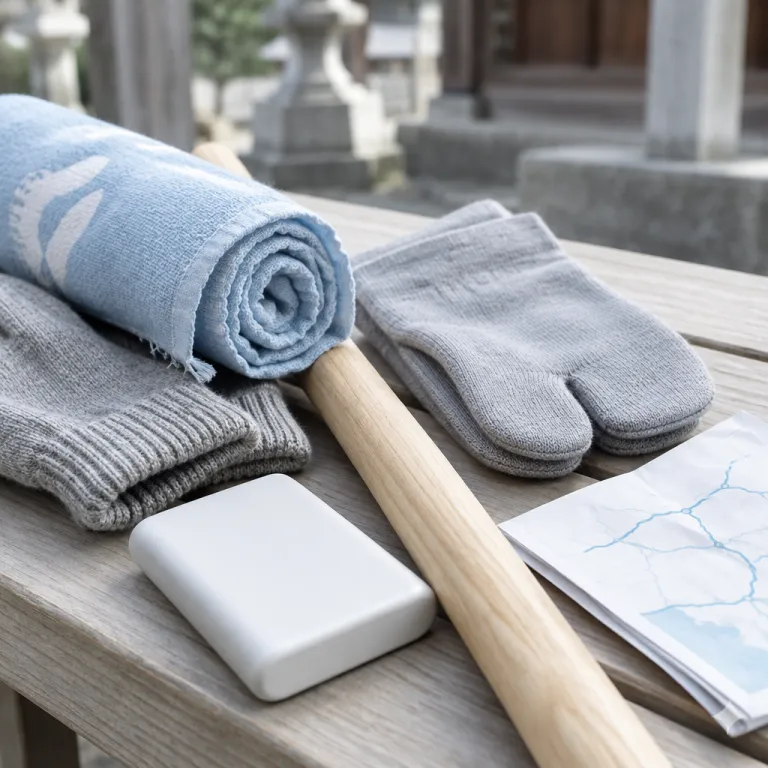
Even in October, evenings in Kurama can feel cold, especially when you stand still watching the fire festival for several hours. Wear warm layers, comfortable shoes for uneven streets, and consider a light mask or scarf if you are sensitive to smoke from the torches. Cash is useful for small food stalls, and a printed map in English can help you navigate between Yuki Shrine, the sanmon gate area, and Kurama station after dark.
Can I attend both jidai matsuri and the Kurama fire festival in one trip ?
Yes, many visitors plan a single Kyoto trip that includes both the jidai matsuri parade near Heian Shrine and the Kurama fire festival in Kurama town. When the dates align in October, you can watch the historical jidai procession in Kyoto city and then schedule a separate day for the more intimate Kurama fire events. This combination offers a rich contrast between imperial pageantry and local matsuri energy, especially rewarding for travelers who appreciate traditional shrines and seasonal rituals.